
Henan Mine Crane · Turbine Hall, Coal Handling and Maintenance
Thermal Power Plant Crane Systems
Overhead and gantry crane systems for turbine-generator installation, planned overhaul, coal handling and power plant equipment maintenance.
A thermal power plant crane must match the lifting task in its specific plant area. Turbine-hall cranes are selected from heavy erection and overhaul loads, hook coverage and runway capacity. Coal-handling cranes are selected from grab payload, material properties and operating cycles.
What Is a Thermal Power Plant Crane?
A thermal power plant crane is a lifting system specified for a defined area of a coal-fired, gas-fired, biomass or cogeneration facility. In the turbine hall, an overhead traveling crane installs and later handles generator and turbine components. Fuel-handling buildings may use grab cranes for coal. Boiler, mill, pump and maintenance areas often require smaller bridge cranes or local hoists.
These applications have different load cases. A turbine-hall crane must reach every critical erection and overhaul position with sufficient lifting capacity and clearance. A coal grab crane is sized from bulk density, grab volume, hourly throughput and repeated operating cycles. A single generic crane specification cannot describe both duties reliably.
Thermal Power Plant Crane Selection Considerations
- Maximum suspended load: identify the generator stator, rotor, turbine casing and other heavy components; include the lifting beam, attachment and rigging in the load calculation.
- Construction and maintenance: check the original unit erection plan and the future overhaul plan. The heaviest load and most difficult hook approach may occur at different stages.
- Turbine-hall geometry: provide runway span and elevation, travel length, building section, delivery opening, hook approach and the complete lifting route.
- Main and auxiliary hooks: define each hook’s load, speed, operating duty and permitted combined use.
- Coal and ash properties: state bulk density, material temperature, dust exposure, required throughput and operating cycles before selecting a grab crane.
- EPC schedule: coordinate drawing approval, runway readiness, crane delivery, erection, load testing and generating-unit installation.
Thermal Power Plant Crane Systems Compared
| Crane system | Power plant duty | Primary selection factor | Project interface |
|---|---|---|---|
| Double-girder turbine-hall overhead crane | Generator and turbine installation, rotor handling and overhaul | Maximum suspended load, hook reach and controlled placement | Runway loads, main and auxiliary hooks, building clearance |
| Single- or double-girder maintenance crane | Boiler, pump and auxiliary-equipment areas | Component load, headroom and service frequency | Local building support and maintenance access |
| Four-rope grab overhead crane | Coal or other suitable bulk-material handling | Bulk density, grab payload and cycles per hour | Dust control, hopper positions and material temperature |
| Cross-travel overhead crane | Coal-mill equipment transfer across connected bays | Equipment route and track-switching arrangement | Runway connection and control logic |
| Double-girder gantry crane | Outdoor component receiving and laydown | Heavy-lift route, span and outdoor duty | Foundations, wind limits and power supply |
Selection rule: specify the turbine hall from the most demanding erection and overhaul lift; specify a grab crane from material throughput and operating duty. These are separate procurement packages.
Crane Duties Across the Power Plant
| Plant area | Typical load | Critical consideration |
|---|---|---|
| Turbine hall | Generator stator, rotor, turbine casing and major assemblies | Main-hook capacity, lifting height, hook approach and precision control |
| Boiler and feedwater areas | Fans, pumps, valves and service modules | Restricted headroom, access openings and hot surfaces |
| Coal-handling building | Raw coal between storage and transfer positions | Grab payload, dust, cycle time and fire protection |
| Ash and slag area | Bulk material where crane handling is required | Temperature, abrasion, corrosion and grab suitability |
| Outdoor laydown yard | Large delivered components and maintenance assemblies | Foundation capacity, travel route and weather conditions |
Turbine-Hall Crane Engineering
The heaviest load may be lifted during generator installation, while the most difficult hook position may be required during rotor extraction years later. The crane general arrangement should show every critical pickup and set-down position in plan and section.
| Design item | Required project information |
|---|---|
| Rated lifting capacity | Component mass plus lifting beam and rigging; main and auxiliary hook load cases |
| Hook coverage | Runway span and length, approach dimensions, pickup elevation and required set-down positions |
| Runway and building | Maximum wheel loads, horizontal forces, rail tolerances, access and erection method |
| Motion control | Normal travel speed, minimum controllable positioning speed, braking and fault response |
| Maintenance | Walkways, inspection points, electrical isolation, equipment removal route and spare parts |
If two cranes are intended for a tandem lift, the lift plan must check unequal load sharing, combined runway reactions, coordinated operation and a safe response to a fault. Two independent cranes do not automatically provide tandem-lift capability.
Published Henan Mine Crane Product Ranges
These published product-family ranges support early selection. A final power plant crane specification requires the verified load cases, operating duty and site drawings.
| Product family | Capacity | Span | Lifting height / duty | Relevant area |
|---|---|---|---|---|
| Electric-hoist double-girder bridge crane | 3–32 t | 7.5–31.5 m | 6–30 m; A3–A5 | Auxiliary maintenance bays |
| Four-rope grab bridge crane | 5–50 t | 10.5–31.5 m | 6–30 m; A6–A8 | Approved coal and bulk-material duties |
| Cross-travel overhead crane | 1–32 t | 3–30 m | 4–20 m; A5–A6 | Coal-mill maintenance transfer |
| MG double-girder gantry crane | 5–500 t broad family | 8–40 m | 6–30 m; A3–A8 broad family | Outdoor laydown and equipment transfer |
The Indonesian 120 t turbine-hall crane is a separate project reference. Its capacity must not be treated as the standard requirement for every generating unit.
Project Reference: Two 120 t Cranes in Indonesia
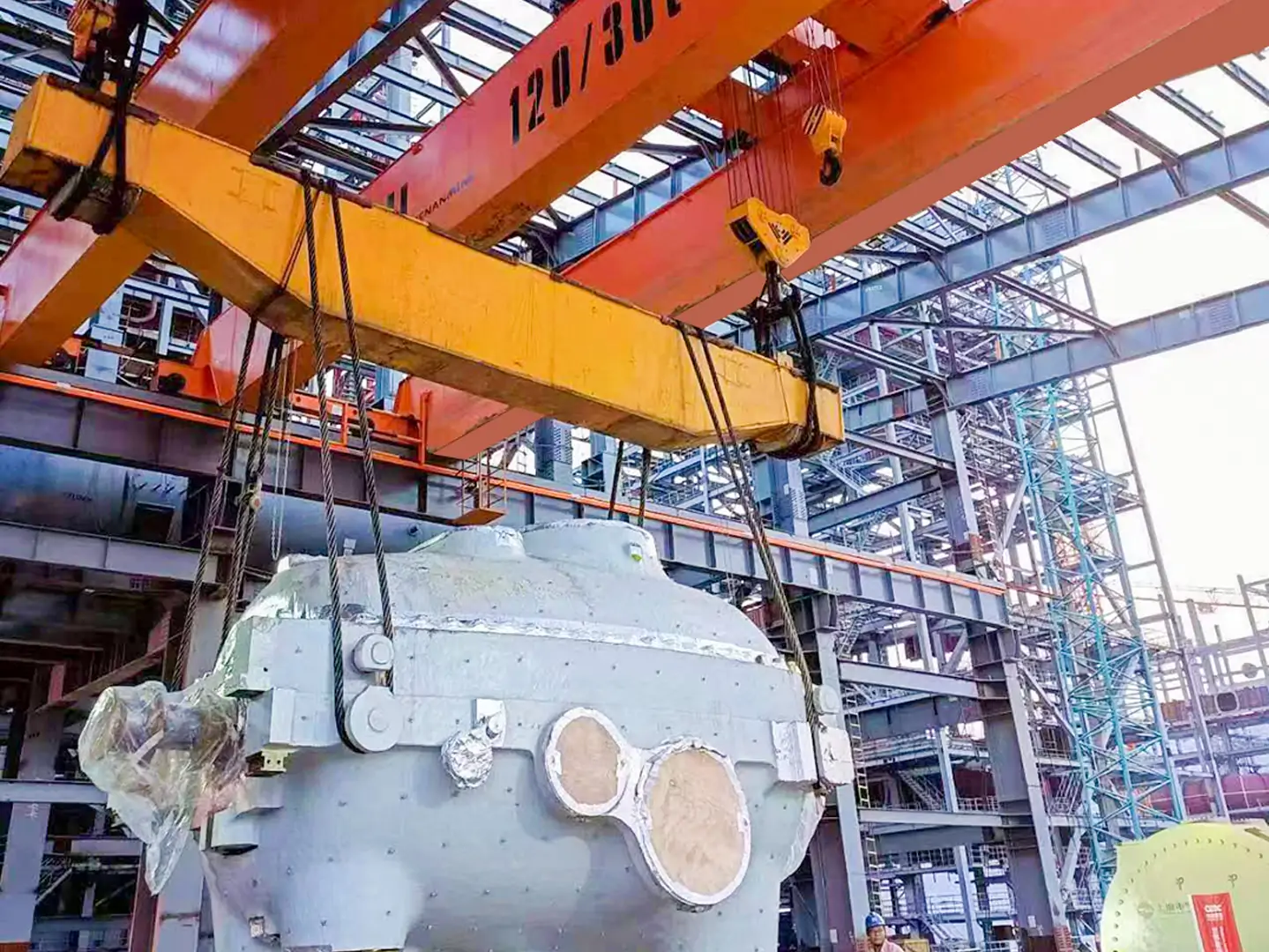
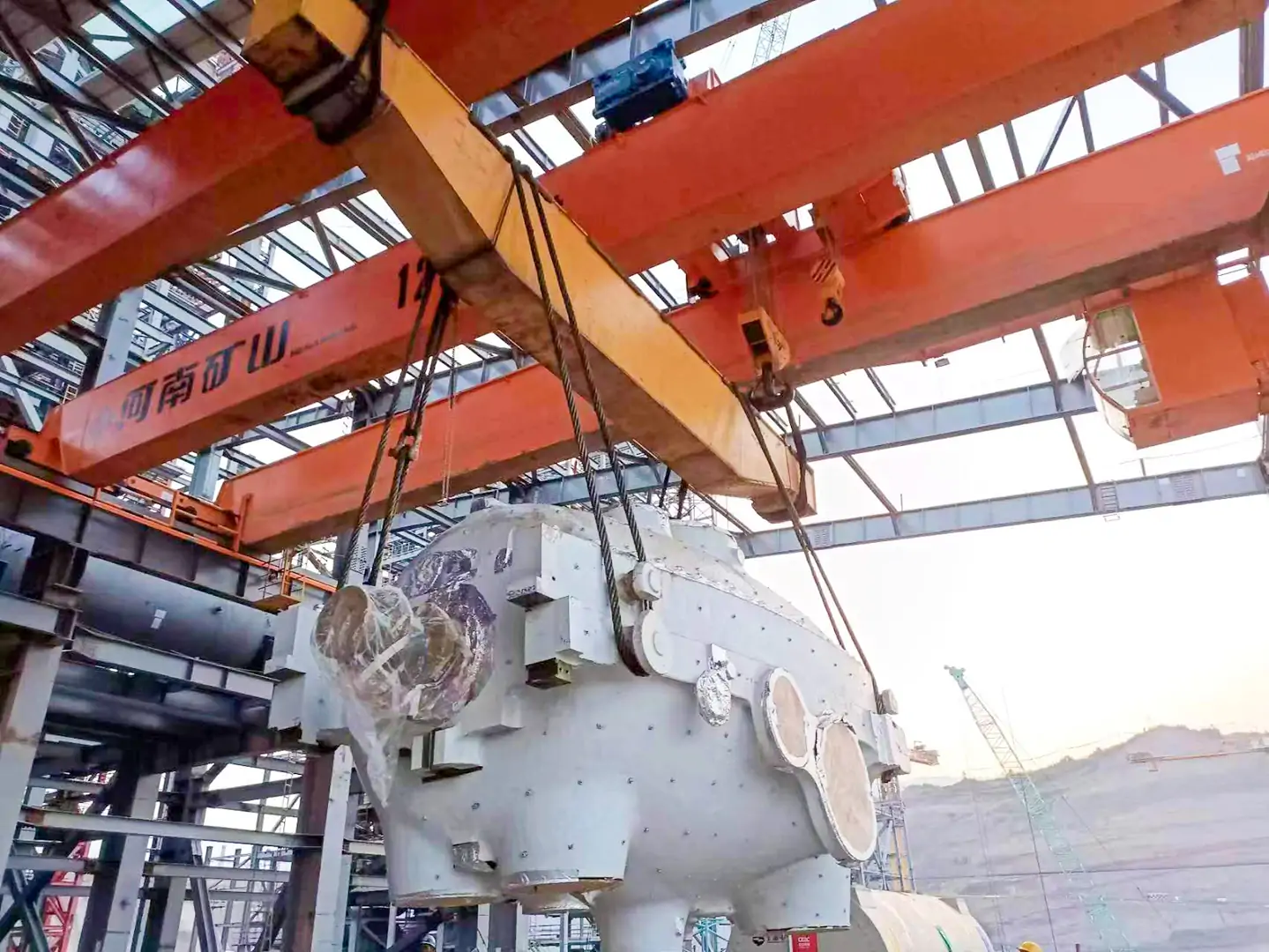
For a thermal power project in Morowali, Central Sulawesi, Indonesia, Henan Mine Crane reports supplying two 120 t double-girder bridge cranes. The cranes supported the installation of three 380 MW supercritical coal-fired generating units. Heavy equipment handling, smooth movement and controlled positioning were central requirements.
This project demonstrates a turbine-hall application. A different plant requires its own stator and rotor weights, rigging plan, hall dimensions, hook approach and runway calculations before selecting capacity. View the published thermal-power project account.
Thermal Power Plant Crane Price and Budget
The figures below are public equipment-level planning references in US dollars. They are not an installed power plant price or a Henan Mine Crane quotation for the Indonesian project.
| Published source | Stated configuration | Equipment price reference | Comparison limit |
|---|---|---|---|
| Henan Mine Crane 2026 market guide | 20 t double-girder overhead crane | US$22,000–60,000 | General crane benchmark for an auxiliary area |
| Henan Mine Crane 2026 market guide | 30–50 t heavy double-girder class | US$35,000–130,000+ | Broad equipment range; not an installed turbine-hall price |
| DGCRANE manufacturer price list | 50/10 t, 10.5–31.5 m, A5–A6 | US$49,500–72,000 | Another supplier’s equipment reference |
| DGCRANE manufacturer price list | 100/20 t, 13–31 m, A5–A6 | US$115,000–166,700 | High-capacity comparison; not a 120 t quotation |
| 120 t Indonesian thermal-power project | Two double-girder cranes | Project quotation required | No comparable public transaction price was verified |
Price sources: Henan Mine Crane, “2026 Overhead Crane Price Guide”; DGCRANE, “Top Running Overhead Crane” price list. Public ranges may change with the final specification.
Total installed cost: separate crane equipment, lifting beam, runway steel, power supply, freight, import charges, erection, commissioning, load testing, training and spare parts in the commercial schedule.
Dust, Heat and Safe Operation
The turbine hall, coal building and ash system have different operating environments. Specify ambient and radiant temperature, dust, humidity, corrosion and cleaning practice separately for each area. Electrical enclosure ratings and protective features should follow the actual site classification.
- Coal and ash: confirm bulk density, grab payload, material temperature, abrasion and dust containment.
- Hazardous locations: identify any formally classified area before specifying explosion-protected equipment.
- Load protection: define overload limits, brakes, emergency stops, travel limits and recovery from power or drive faults.
- Maintainability: provide access to the hoist, trolley, electrical system and crane runway after the generating units are installed.
- Acceptance: agree factory inspection, site alignment, functional testing, load tests, operating records and training before handover.
Thermal Power Plant Crane RFQ Checklist
A technical proposal and comparable quotation require:
- Project country, generating-unit type and capacity, applicable standards and EPC milestones.
- Heaviest erection and overhaul loads, dimensions, lifting points, center of gravity, lifting-beam and rigging weights.
- Turbine-hall plan and section, runway span and length, rail elevation, hook approaches and delivery route.
- Main and auxiliary hook duties, lifting height, normal and precision speeds, control method and power supply.
- Existing or proposed runway structure, allowable wheel loads and installation access.
- For bulk handling: material type, bulk density, grab volume, throughput and cycles per hour.
- Required scope for freight, installation, commissioning, training, spare parts, warranty and local service.
Thermal Power Plant Crane FAQ
What crane is used in a turbine hall?
A double-girder overhead traveling crane is commonly selected for heavy generator and turbine installation and later overhaul. Its capacity and hook arrangement follow the verified plant lifting plan.
How is turbine-hall crane capacity determined?
Check the maximum component mass together with lifting-beam and rigging weight. Then verify hook combinations, runway reactions, clearances, duty and the approved lifting method.
Does every 380 MW unit require a 120 t crane?
No. The Indonesian project is one 120 t reference. Another unit must be sized from its own equipment loads and erection and overhaul plan.
What does a 120 t power plant crane cost?
A project quotation requires the main and auxiliary hook ratings, span, lifting height, controls, runway interface, destination and installation scope. A published 100/20 t equipment price cannot be presented as the price of a 120 t power plant system.
Can a coal grab crane replace the turbine-hall crane?
No. The grab crane is designed for repeated bulk-material cycles. The turbine-hall crane handles large suspended machinery and controlled positioning.
Related Henan Mine Crane Products
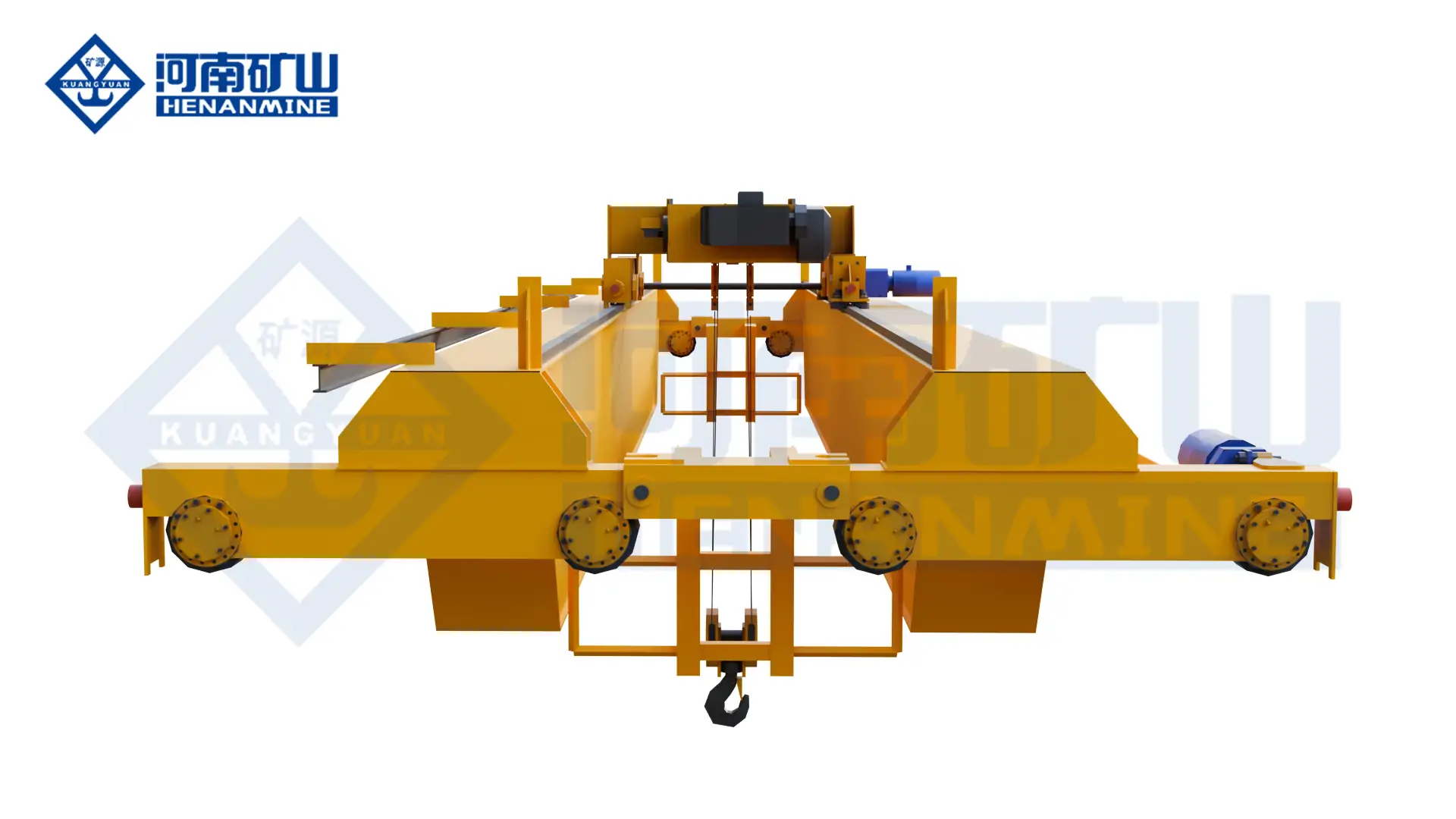
Double-Girder Overhead Crane
Heavy bridge-crane platform for generating-unit installation and overhaul.
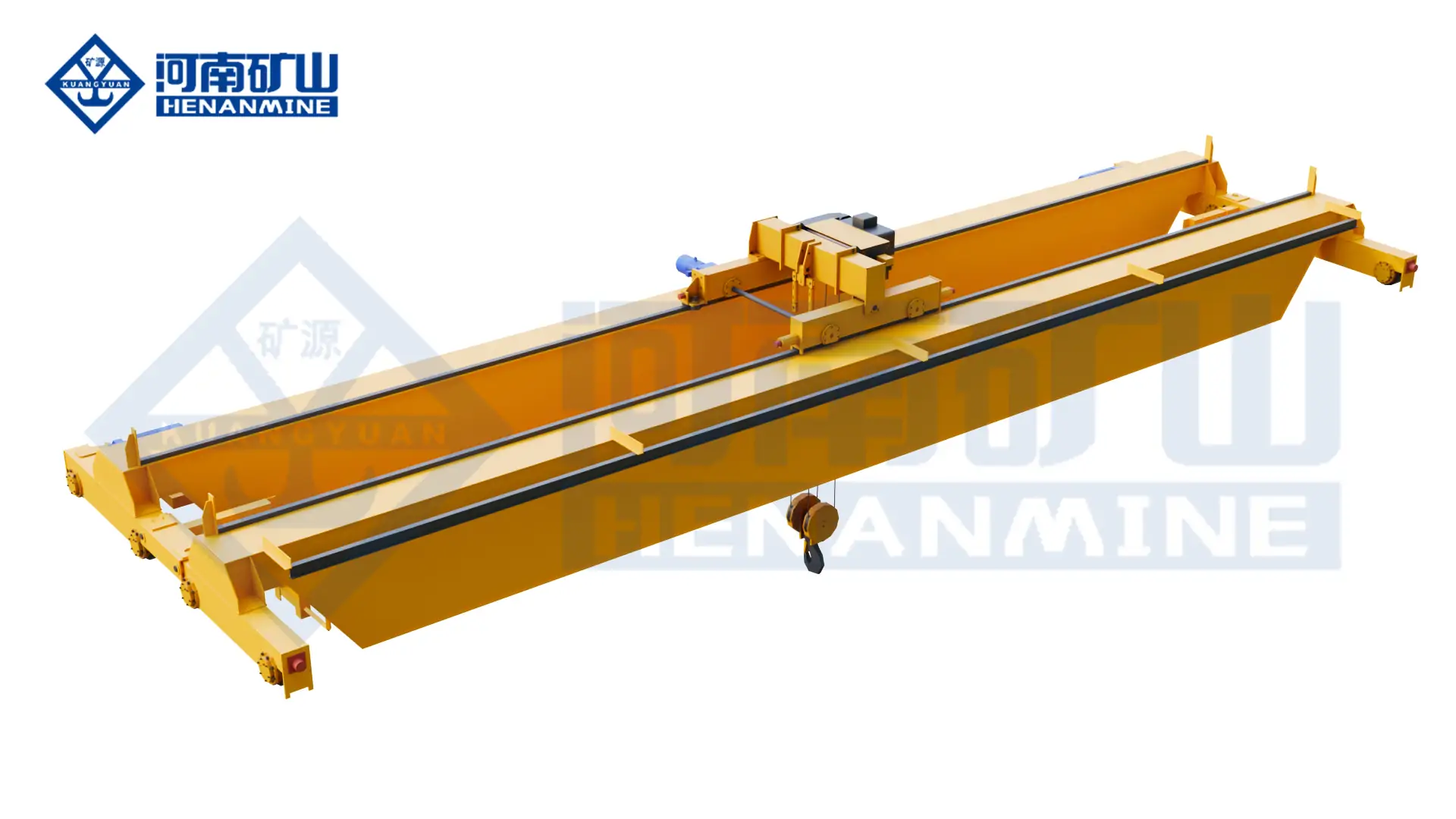
Electric Hoist Double-Girder Crane
Equipment handling in auxiliary and maintenance bays.
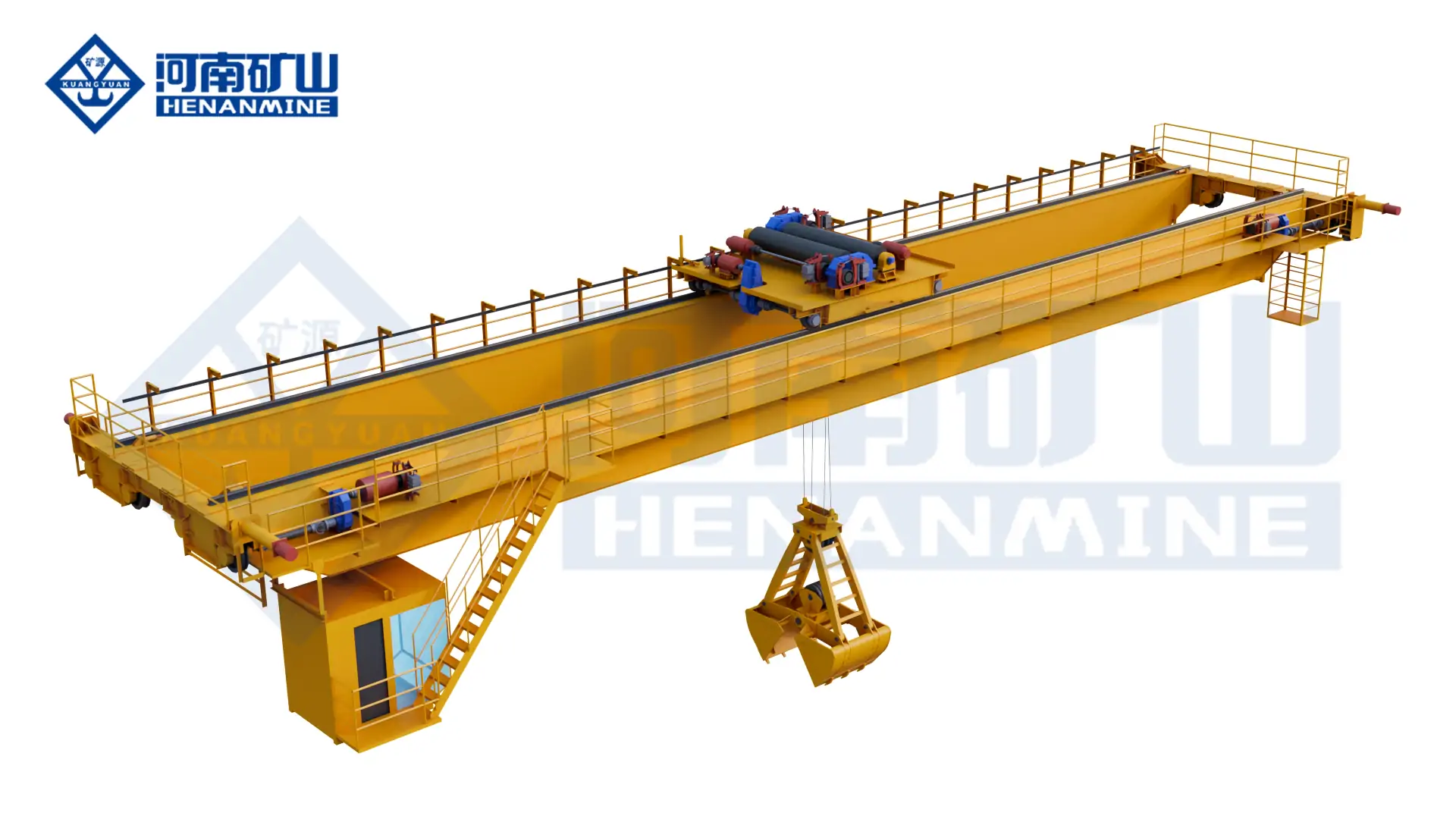
Grab Double-Girder Overhead Crane
Repetitive handling of coal and other suitable bulk materials.
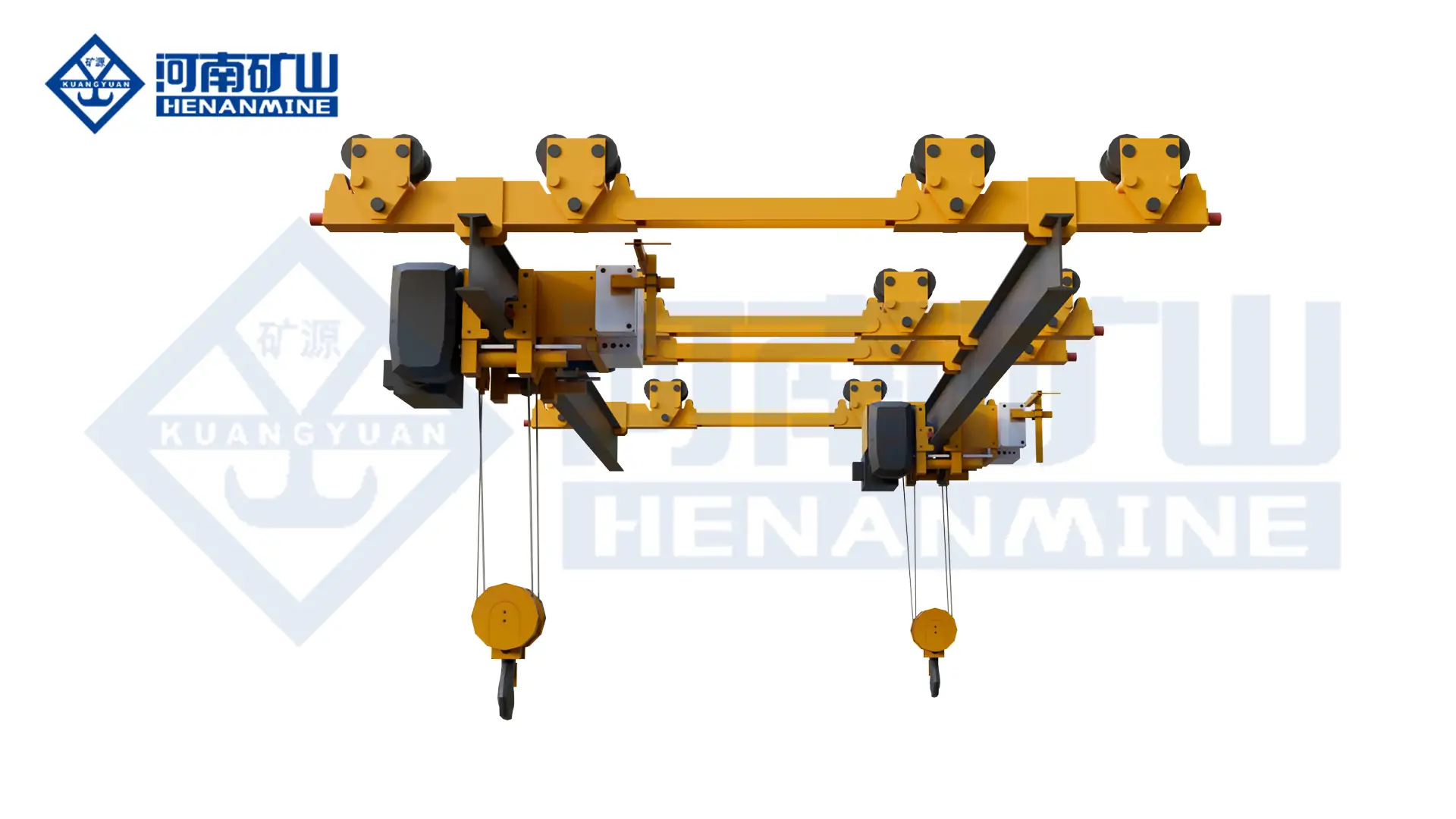
Cross Travel Overhead Crane
Transfer of maintenance equipment between connected bays.
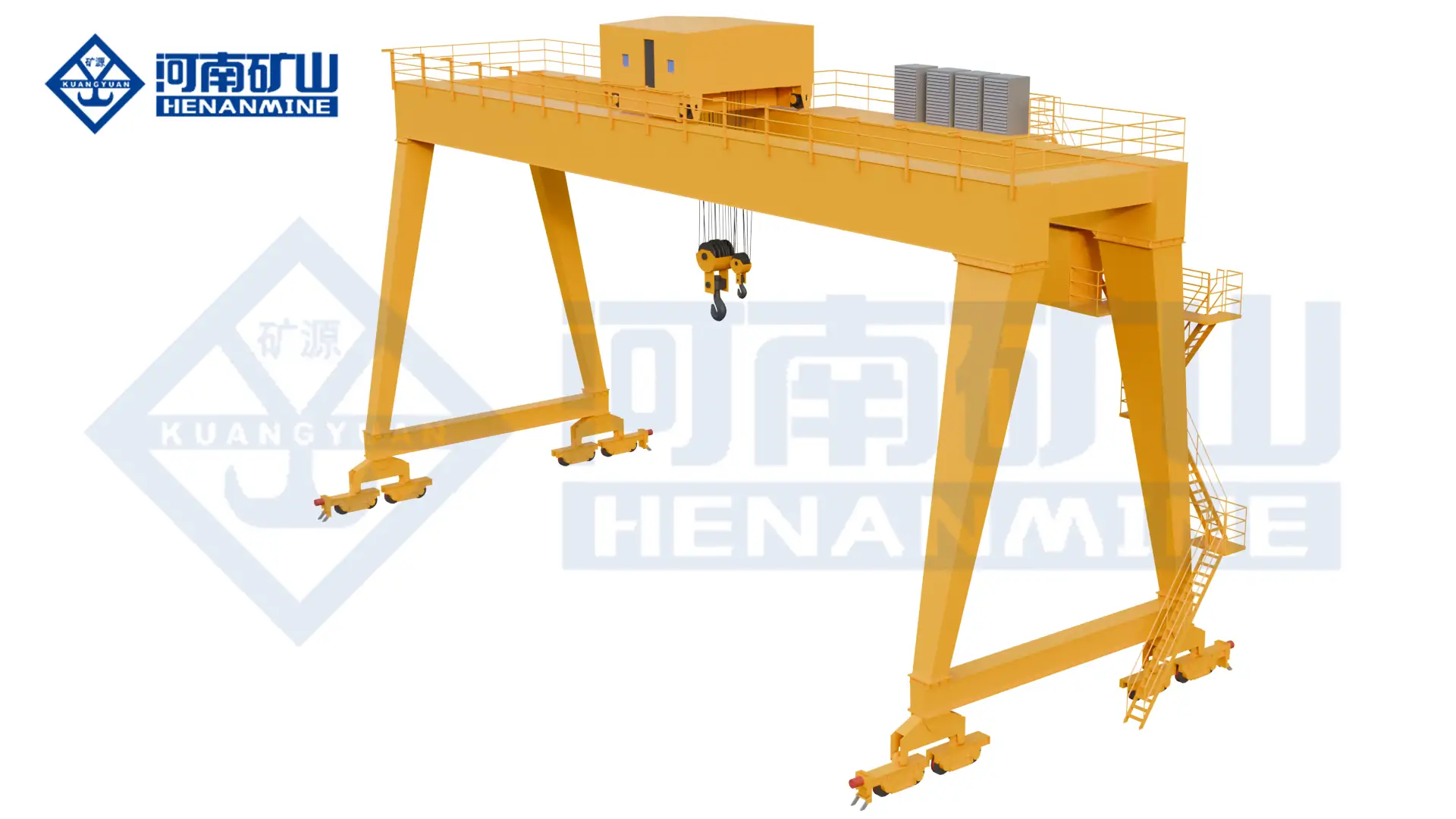

Request a Thermal Power Plant Crane Proposal
Send the generating-unit load list, turbine-hall drawings, coal-handling process data and EPC schedule. Henan Mine Crane can prepare an equipment configuration and itemized technical and commercial proposal for each plant area.