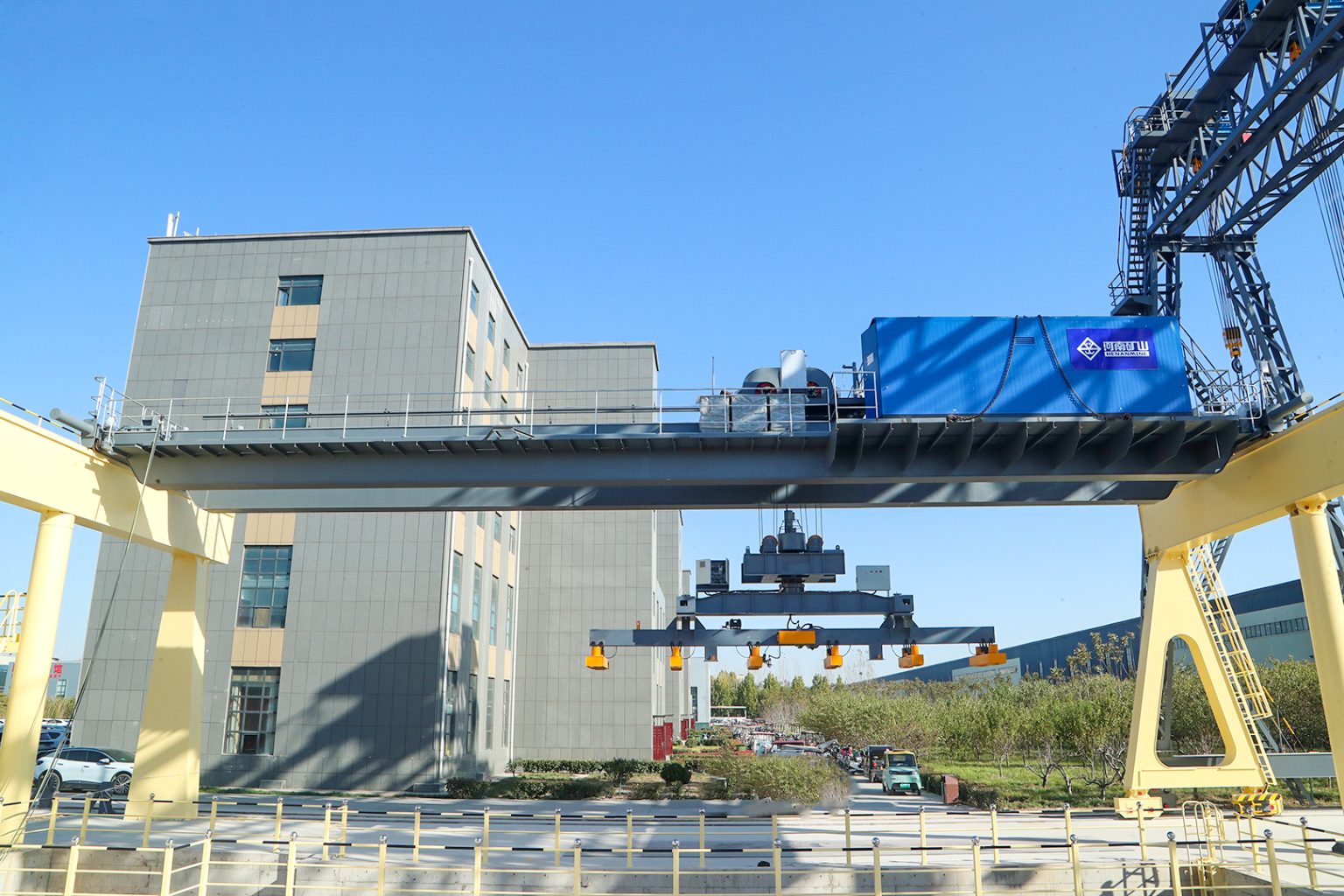
Henan Mine Crane · Steel Storage and Distribution Systems
Steel Warehouse Crane Systems
Overhead, gantry, magnetic, rotating-beam and automated crane systems for receiving, storing, locating, retrieving and dispatching steel plate, profiles, bars, pipe, coils, billets and finished products.
Henan Mine Crane configures each steel warehouse crane from the complete material master, gross suspended load, storage geometry, throughput, lifting attachment, building or stockyard interface, control level, safety strategy and required data exchange.
MATERIALS
Plate, Profiles, Bars, Pipe & Coils
CRANE TYPES
Bridge, Magnetic, Rotating & Gantry
CONTROL LEVELS
Manual, Assisted & Automatic
PROJECT BASIS
Load, Flow, Layout, Duty & Data
What Is a Steel Warehouse Crane?
A steel warehouse crane is an application-specific material-handling system that transfers steel between receiving, inspection, storage, production supply, order picking and dispatch. Unlike a general workshop crane selected mainly by capacity and span, a warehouse system must also control long-load orientation, stack access, material identity, storage location, retrieval sequence and the interface with trucks, rail wagons, conveyors or processing lines.
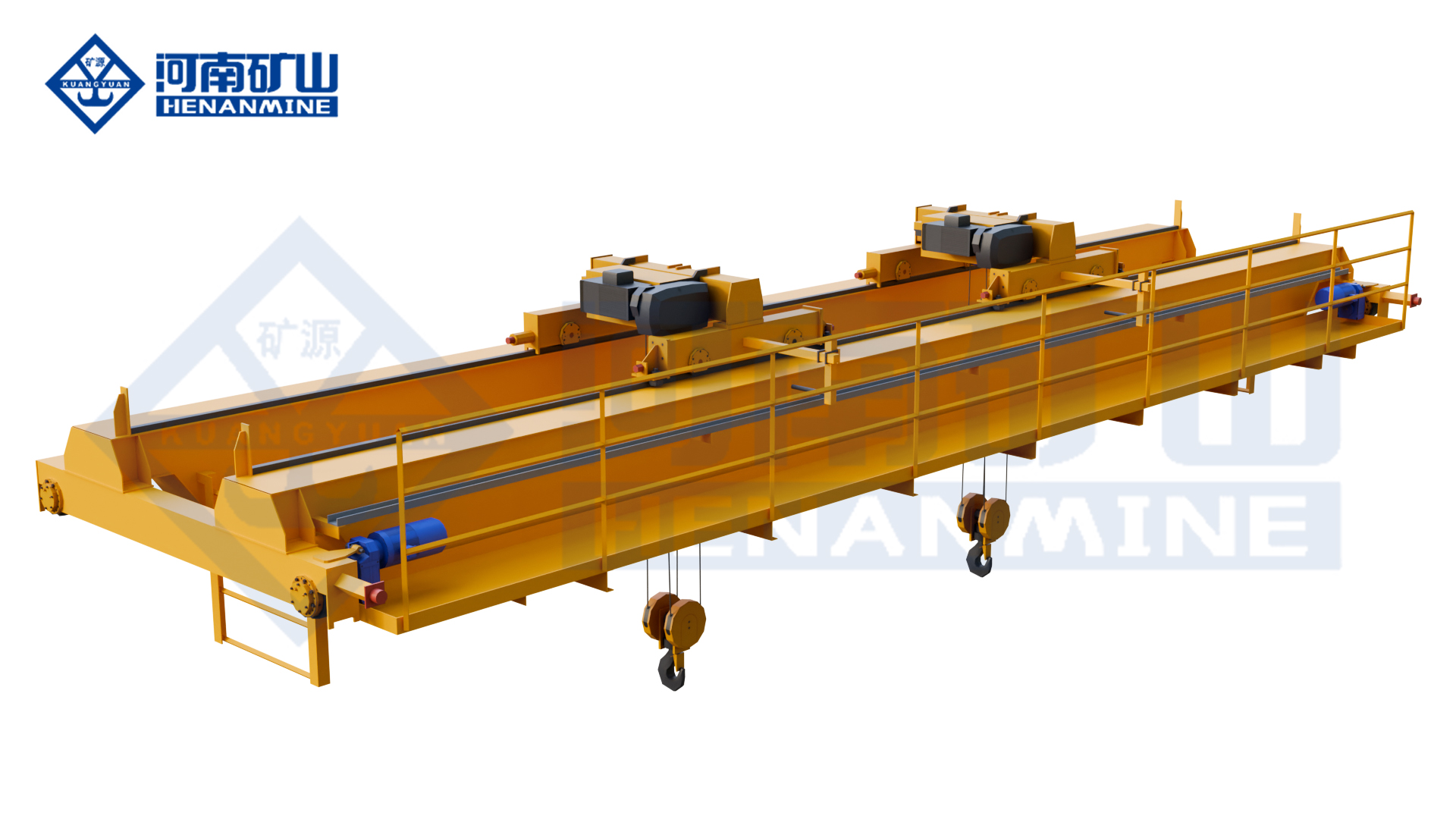
The term does not describe one fixed machine. A light indoor warehouse may use a compact single-girder overhead crane. Intensive plate storage may use a double-girder electromagnetic crane with a rotating beam. Long nonmagnetic or coated products may require two hooks, two trolleys or a purpose-designed spreader. Outdoor stockyards commonly use a gantry crane with wind protection and ground-supported rails.
Henan Mine Crane combines its single-girder bridge crane, double-girder bridge crane, magnetic lifting, double-trolley and gantry crane platforms with warehouse positioning, sensing and data functions selected for the declared process.
Steel Warehouse Material Flow
Crane coverage and storage logic should follow the complete route of every approved material family. Omitting an interface normally creates extra floor handling, unidentified stock or an unsafe manual recovery step.
1. Receiving and Unloading
Unload trucks or rail wagons within the permitted vehicle envelope, verify gross load and product identity, and place incoming steel in inspection or assigned buffer positions.
2. Identification and Inspection
Confirm material ID, heat number, grade, dimensions, weight, surface condition and release status before the storage location is recorded.
3. Storage Allocation
Assign a stack, cassette, rack or floor cell from product dimensions, grade, turnover, dunnage, stack-height limits and retrieval priority.
4. Controlled Placement
Position the load without striking adjacent stacks, racks, columns, vehicles or people, while maintaining required orientation and layer separation.
5. Retrieval and Production Supply
Retrieve the specified item or bundle, manage reshuffling where required and deliver it to cutting, fabrication or order-staging positions.
6. Dispatch and Reconciliation
Stage and load the shipping order, confirm the final vehicle handoff and update inventory only after the physical movement is completed and verified.
Steel Warehouse Crane System Architecture
- Crane structure and runway: transfer vertical, longitudinal, transverse and dynamic reactions to the building or foundations while providing full required coverage.
- Hoist, trolley and travel drives: provide the declared capacity, lift, speed range, positioning control, braking and duty classification.
- Load attachment: connects to plate, profiles, pipe, coils or bundles through a magnet, rotating magnetic beam, hook, spreader, clamp, tong, C-hook or custom device.
- Sensing and protection: may include load, position, height-profile, skew, anti-collision, obstacle, access-gate, vehicle-presence and restricted-zone functions.
- Control system: coordinates pendant, radio, cabin, assisted or automatic operation, including mode selection, safe stopping and manual recovery.
- Warehouse data interface: exchanges material identity, location, movement order, completion status, alarms and reconciliation records with WMS, MES or ERP systems.
Rated-load basis: the maximum gross suspended load includes the steel product, lifting magnet, magnetic or mechanical beam, clamps, slings, shackles, C-hook, hook block and every suspended accessory. Eccentric loading, unequal pickup, retained moisture, stacked layers and any permitted rotation or load-turning case also require evaluation.
Steel Warehouse Crane Selection Considerations
Selection starts with the full material and movement database. Capacity alone cannot establish attachment suitability, long-load stability, storage density, cycle performance or structural reactions.
Material Master
Mass, length, width, thickness, diameter, section, center of gravity, ferromagnetic response, surface, coating, temperature, stiffness, nesting and permitted pickup points.
Throughput and Duty
Inbound and outbound tonnes, moves per hour, starts, average and peak travel, shifts, annual hours, load spectrum, reshuffle ratio, availability target and maintenance window.
Storage Geometry
Stack, rack or cassette dimensions; stack height; dunnage; aisle; approach clearance; floor loading; reserved zones; vehicle bays and future expansion.
Attachment and Orientation
Magnetic eligibility, single- or multi-layer lift, required rotation, hook spacing, clamp locations, coil axis, pipe support, allowable deflection and changeover method.
Building or Stockyard
Span, runway length and elevation, lift, headroom, end and side approaches, rail and beam data, wheel-load limits, foundations, wind, drainage and installation access.
Control and Acceptance
Manual, assisted or automatic mode; warehouse interface; positioning and cycle criteria; exception recovery; safety functions; standards; inspection route and measurable handover tests.
Steel Warehouse Crane Configurations Compared
Crane configuration follows the material family, operating intensity, orientation requirement, building interface and attachment. Automation is a control and data layer that can be applied to several structural configurations; it is not a substitute for correct mechanical selection.
| Configuration | Typical Application | Principal Advantages | Points Requiring Definition |
|---|---|---|---|
| Single-Girder Overhead Crane | General indoor hook handling at lighter capacity and moderate duty. | Compact structure, lower self-weight and efficient use of workshop space. | Headroom, hook approach, hoist duty, long-load control and building reactions. |
| Double-Girder Overhead Crane | Heavier loads, intensive service, longer spans or process attachments. | Higher structural capability and greater flexibility for trolleys, platforms and controls. | Wheel loads, access, maintenance clearances, attachment mass and required duty class. |
| Electromagnetic Bridge Crane | Repetitive handling of validated ferromagnetic plate, profiles or billets without load rotation. | Fast pickup without manual sling placement and efficient handling of approved product families. | Magnetic test basis, air gap, layer control, backup power, retained-load response and exclusion zone. |
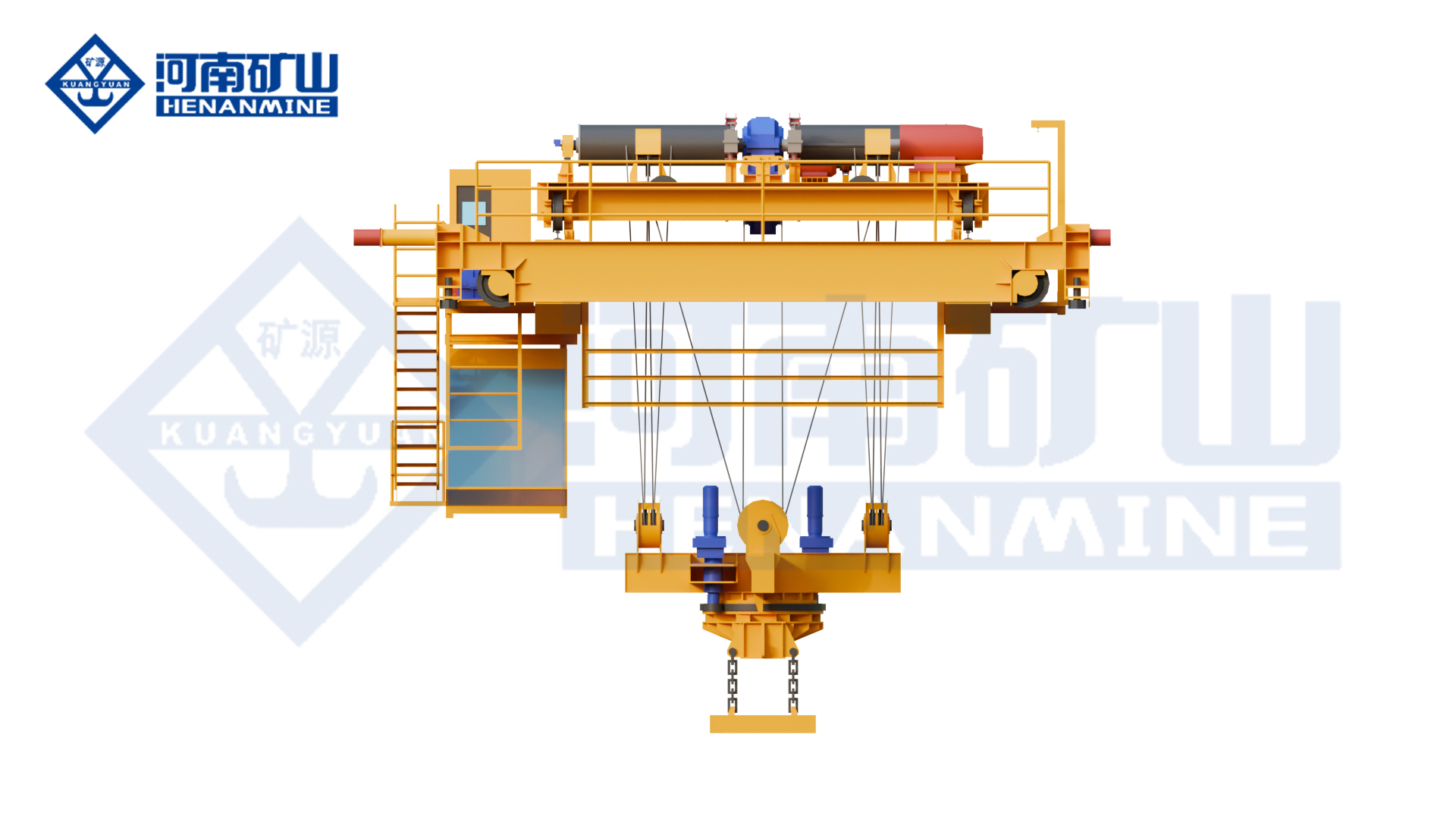
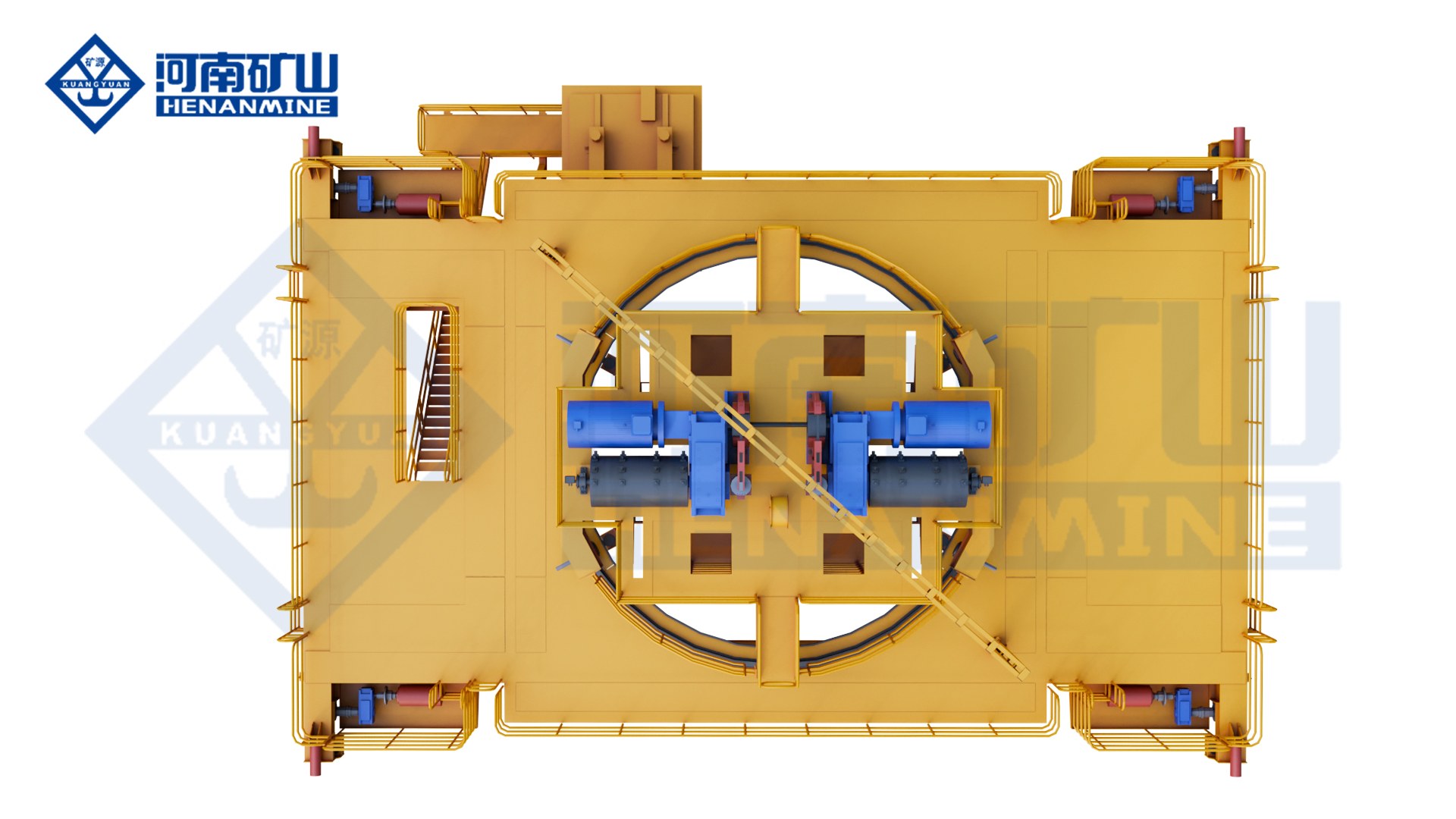
| Rotating Magnetic-Beam Crane | Plate or long steel that must rotate between vehicle, storage and process orientations. | Combines magnetic pickup with controlled orientation and dense storage access. | Rotation envelope, load overhang, cable management, stack clearance and collision zoning. |
| Double-Trolley or Two-Hook Crane | Long, flexible, nonmagnetic, coated or mixed steel products requiring two support points. | Variable support spacing and mechanical handling across diverse load families. | Capacity split, load sharing, synchronization, skew, permitted independent motion and lift plan. |
| Gantry Crane | Outdoor steel stockyards, loading areas or buildings without a suitable runway structure. | Ground-supported coverage with optional cantilevers for vehicle lanes. | Wind actions, storm anchoring, rail and foundation design, drainage, travel path and outdoor protection. |
Mixed inventory: warehouses storing plate, profiles, coils and finished fabrications may require more than one attachment or more than one crane. Changeover time, attachment storage, interlocks and rated-load changes must be included in the operating concept.
Published Crane Platform Ranges
The following Henan Mine Crane product-page ranges provide an initial platform reference. They are not a universal warehouse specification. Final capacity, span, lift, duty, speeds and attachment are selected from the actual load case and operating cycle.
| Published Platform | Published Capacity | Published Span | Published Lift | Published Class |
|---|---|---|---|---|
| European-Style Electric Single-Girder Crane | 1–10 t | 7.5–28.5 m | 6–30 m | A3–A5 |
| Intelligent Electric Hoist Overhead Crane | 1–32 t | 7.5–31.5 m | 6–30 m | A5–A6 |
| Electromagnetic Bridge Crane | 5–32 t, including magnet weight | 10.5–31.5 m | 6–30 m | A1–A8 published range; duty selected by project |
| Upper Rotating Magnetic Overhead Crane | 5+5 to 25+25 t | 10.5–31.5 m | 6–20 m | A6–A7 |
| Electromagnetic Hanging Crane | 5–50 t | 10.5–31.5 m | 6–20 m | A6–A7 |
| Double-Trolley Electric Hoist Overhead Crane | 1+1 to 32+32 t | 7.5–31.5 m | 6–30 m | A5–A6 |
| Single-Girder Gantry Crane | 1–32 t | 6–35 m | 4–20 m | A3–A5 |
Lifting Attachments for Warehouse Steel
No single attachment safely handles every steel product. The approved attachment schedule should identify each load family, pickup method, rated capacity, inspection requirement, prohibited condition and storage position.
| Attachment | Common Warehouse Loads | Engineering Checks |
|---|---|---|
| Hooks, Slings and Spreader Beam | Mixed products, bundles, fabricated steel and approved lifting points. | Sling angle, edge protection, balance, support spacing, bend radius and manual access. |
| Plate Clamps | Single plate within the clamp’s approved thickness, hardness, orientation and surface range. | Clamp model, minimum load, jaw condition, plate edge, number of clamps and permitted lifting direction. |
| Magnet or Magnetic Beam | Validated ferromagnetic plate, billet, profiles and selected bundles. | Material response, thickness, flatness, air gap, coating, scale, temperature, layer control and retained-load plan. |
| Rotating Magnetic Beam | Long plate and profiles requiring controlled horizontal orientation. | Overhang, rotation radius, cable routing, adjacent stacks, skew and travel interlocks. |
| C-Hook or Coil Tong | Eye-horizontal or eye-vertical coils within the specified ID, OD and width range. | Coil orientation, telescoping risk, counterweight, protection pads, clearance and attachment self-weight. |
| Pipe Beam, Cradle or Tongs | Pipe, tube and round stock in approved single pieces or bundles. | Rolling restraint, bundle integrity, support distance, coating protection and end clearance. |
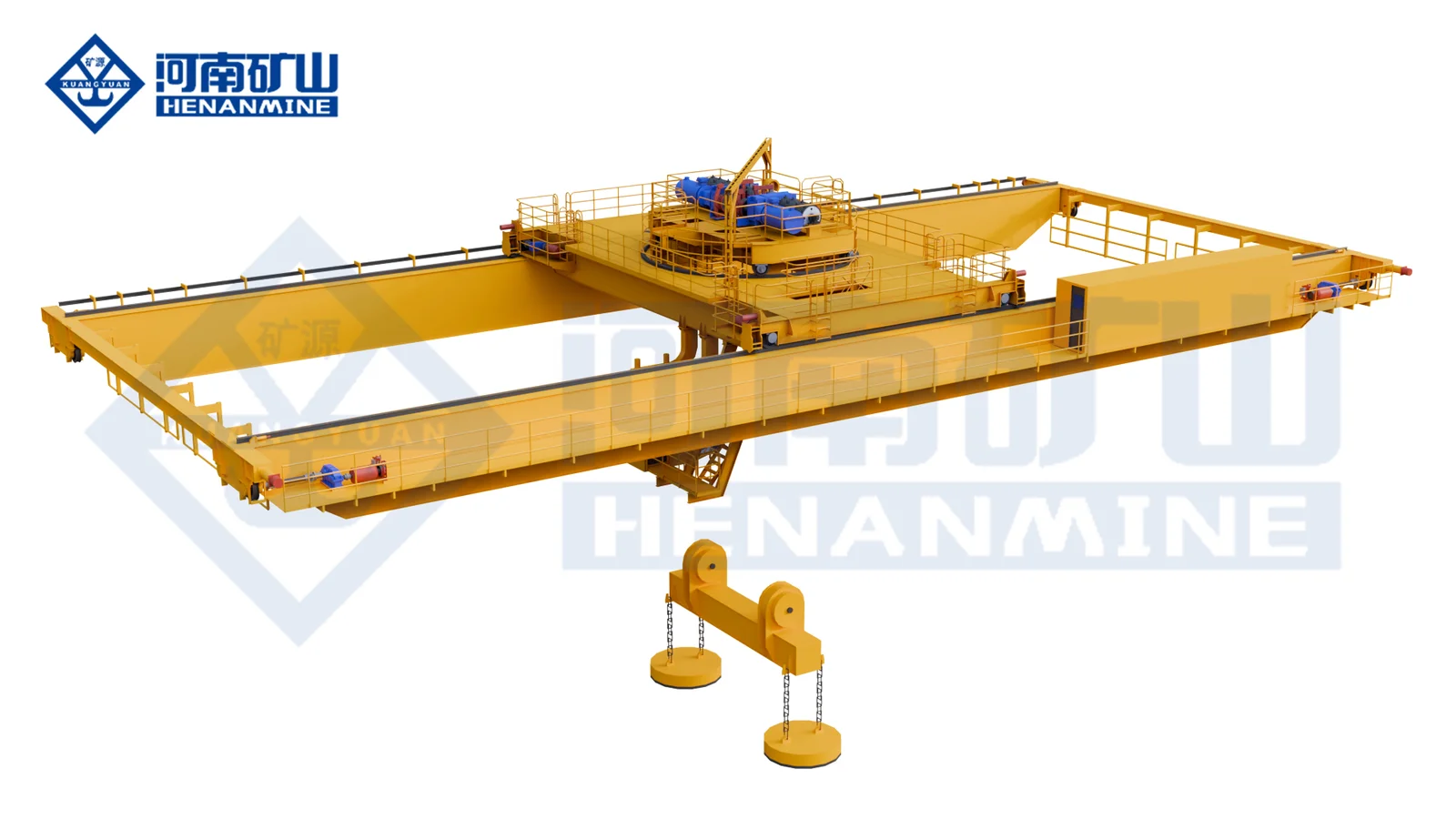
Magnetic Load Integrity and Power-Loss Planning
Electromagnetic handling is suitable only after the actual load range is validated. Magnetic grade, plate thickness, contact area, flatness, rust, mill scale, paint, protective film, oil, temperature and gaps between stacked products can all change holding force. A successful pickup of one plate does not validate another thickness, surface or multi-layer condition.
- Define every approved material and surface condition, including minimum thickness and maximum air gap.
- State whether single-sheet selection, multiple-sheet lifting or bundle lifting is permitted.
- Include magnet, beam and cable-reel mass in crane capacity and structural reactions.
- Specify power-loss behavior, retained-load indication, backup-energy duration and the emergency landing process.
- Segregate suspended-load routes from people and control access to loading, storage and recovery zones.
Manual, Assisted and Automated Warehouse Operation
| Operating Level | Movement Control | Inventory Control | Application Conditions |
|---|---|---|---|
| Manual | Operator controls all crane motions by pendant, radio or cabin. | Location updates are manual or scanner-assisted. | Variable work, lower movement volume and clear visibility with disciplined procedures. |
| Assisted | Operator initiates the move; positioning, anti-sway or protected approach functions assist execution. | Movement orders and confirmations exchange with warehouse software. | Repeatable lanes with exceptions that still require frequent operator judgment. |
| Automatic | PLC or supervisory control executes validated routes, pickup, transfer and placement sequences. | WMS, MES or ERP issues tasks and receives location, completion and exception records. | Defined inventory, controlled geometry, measurable interfaces and formal exception recovery. |
Automation Data and Acceptance Criteria
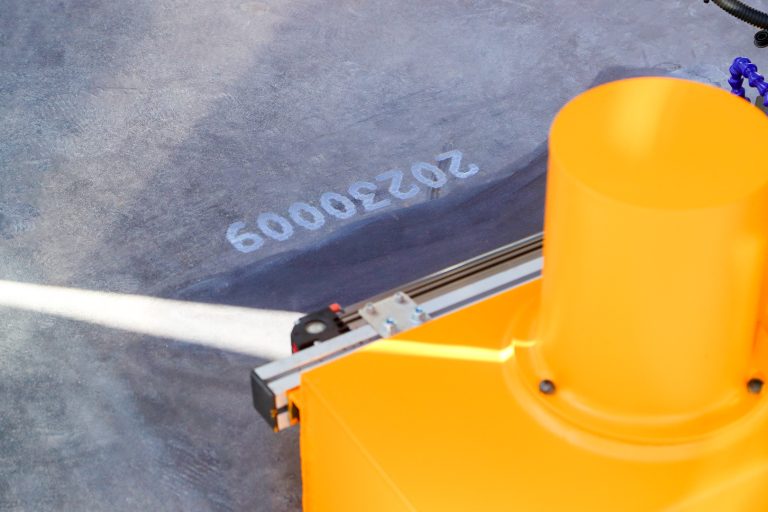
A warehouse movement record normally carries material ID, heat number, grade, dimensions, weight, storage cell, stack layer, status, order number and time stamps. The functional design also defines duplicate IDs, missing labels, mismatched weight, occupied positions, blocked routes, sensor failure, communication loss and manual recovery.
Contract acceptance should use measurable criteria such as representative-load cycle time, positioning tolerance, correct item and location confirmation, interface response, alarm handling, safe-state behavior, recovery time and sustained trial performance. Values are established for the specific layout and process rather than assumed from a generic crane.
Warehouse Layout, Runway and Civil Interfaces
Coverage and Approaches
Confirm rail-center span, runway length, hook and attachment approaches, loading-bay reach, cantilever coverage and positions inaccessible to the selected attachment.
Vertical Envelope
Coordinate rail elevation, crane depth, upper clearance, hook lift, beam or magnet depth, product height, stack height, vehicle height and maintenance access.
Structural Reactions
Provide maximum and minimum wheel loads, lateral and longitudinal forces, buffer loads, fatigue basis and rail tolerances for building, runway or foundation verification.
Vehicle and People Separation
Define loading zones, pedestrian routes, gates, barriers, warning devices, travel interlocks and the process for driver positioning during crane operation.
Stack and Floor Design
Confirm floor bearing, rack or dunnage capacity, stack stability, load distribution, drainage and the consequences of placing products in an incorrect cell.
Outdoor Conditions
For stockyards, specify operating and parked wind, storm anchoring, lightning, precipitation, corrosion, temperature, rail drainage and travel-path maintenance.
Safety, Standards and Acceptance
The project specification should state the governing jurisdiction, standards and editions. A common basis may include ISO 4301 for classification; EN 13001 and EN 15011 for crane design; EN 13155 for non-fixed load lifting attachments; or CMAA 70 with the applicable ASME B30.2, ASME B30.20 and ASME BTH-1 requirements. Electrical equipment may reference IEC 60204-32. Safety-related control design for automated functions may use ISO 13849-1 or IEC 62061 where applicable. Local statutory requirements and the signed contract remain controlling.
Design Review
Approve load cases, classification, structural and mechanism calculations, wheel loads, attachment logic, electrical architecture, safety functions and interface responsibility.
Factory Verification
Verify manufacturing records, material traceability, weld and nondestructive inspection scope, mechanism operation, control logic, alarms and documentation before shipment.
Site Acceptance
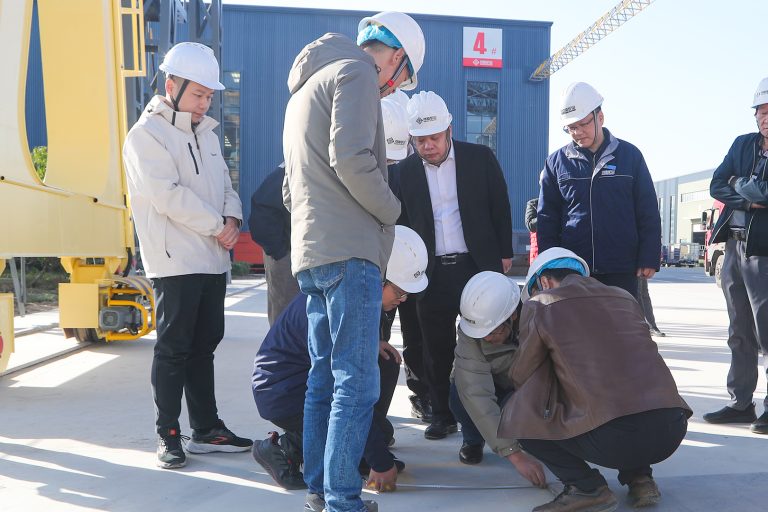
Check runway geometry, motions, brakes, limits, overload protection, collision functions, attachment performance, representative loads, proof load and agreed cycle scenarios.
Operational Readiness
Complete training, inspections, rescue and recovery procedures, attachment registers, preventive maintenance, critical spares, backup and restore, and change-control records.
Operational boundary: no person should stand or pass under a suspended steel load. Automated operation requires controlled access, defined safe states and a documented method for removing or landing a retained load after a fault.
Published Steel Plate Warehouse Automation Reference
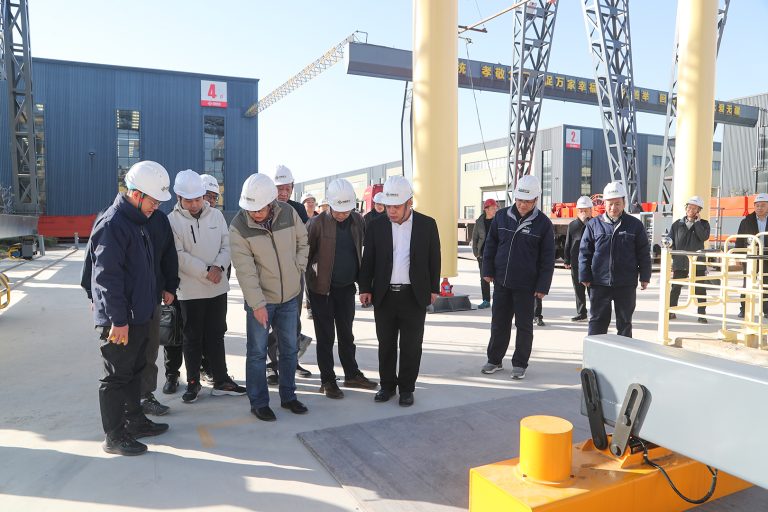
Henan Mine Crane has published a specialized crane reference for a steel plate storage facility serving steel-structure, bridge and high-rise fabrication. The official project account states that full-function verification was performed on a 1,200 t crane test platform before delivery to a major steel-structure company.
Published project data identifies a 5–50 t structural range with span and lift customized to the warehouse. The delivered system reportedly managed more than 200 plate specifications. After more than one year of operation, the official reference reports a 65% increase in inbound and outbound efficiency, inventory error below 0.1% and annual labor savings exceeding RMB 1.2 million.
The application links physical plate movements with storage-location and production-order data, illustrating the value of designing the crane, attachment, control logic and warehouse software interface as one project.
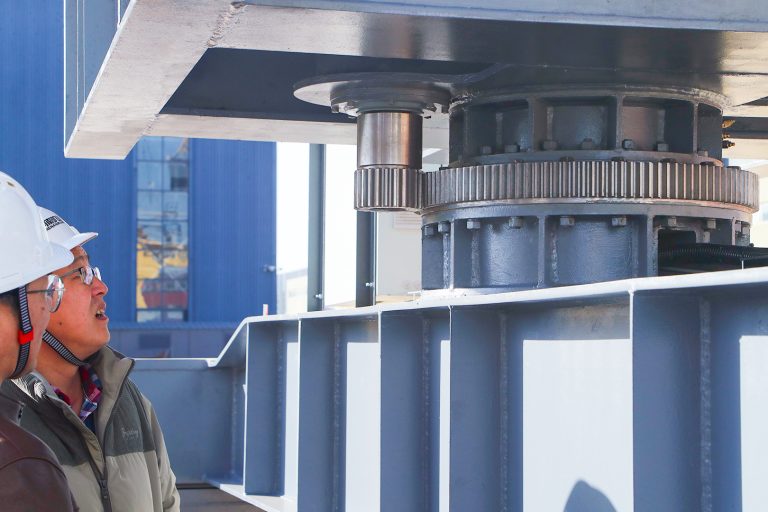
Evidence boundary: these figures are attributed to one official published project reference. They demonstrate a delivered application but do not define the performance, savings or acceptance criteria of another warehouse. Project outcomes depend on material mix, baseline process, layout, operating discipline, interfaces and contracted scope.
Steel Warehouse Crane Price and Budget Scope
A steel warehouse crane price cannot be established from capacity alone. Public equipment listings are useful only as broad market references because complete projects may also require a lifting beam or magnet, backup power, runway, electrification, controls, WMS interface, freight, installation, testing, training and civil work.
The public market review below was completed on 20 September 2026. Prices may change. Marketplace technical fields can be incomplete or internally inconsistent, so every capacity, span, attachment and supply boundary requires confirmation in a signed proposal.
| Public Reference | Displayed Price | Displayed Scope | Commercial Boundary |
|---|---|---|---|
| Henan Mine Crane supplier marketplace listing: 8 t workshop/warehouse bridge crane | US$4,000 per piece; MOQ 1 | Configurable equipment listing | Qingdao is the displayed port; freight, destination scope and inconsistent listing fields require written confirmation. |
| Henan Mine Crane supplier marketplace listing: 20 t electromagnetic overhead crane | US$3,099–18,888 per set; MOQ 1 | Configurable electromagnetic crane listing | Final magnet, beam, backup energy, capacity, span, duty and project inclusions are not established by the displayed range. |
| Bohl Crane public listing: Yale 10 t top-running single-girder crane kit | US$28,500 | Crane kit with hoist | Published exclusions include bridge beams, runway rails, runway conductor bar, fabrication and installation. |
| Complete automated steel plate warehouse crane project | Project-specific quotation | Crane, attachment, sensing, controls, data interface and site scope | Requires load database, throughput model, layout, runway data, interface specification, acceptance plan and delivery destination. |
Reference sources: public Henan Mine Crane supplier listings on Made-in-China and the Bohl Crane online store. These third-party prices are market observations, not quotations or offers from this page.
Main Cost Drivers
Capacity, span, lift, duty, speed, reeving, trolley arrangement and access.
Magnet, rotating beam, clamps, C-hook, spreader, cable reel and backup energy.
Variable-frequency drives, sensing, anti-sway, positioning, PLC, HMI and WMS integration.
Rails, beams, columns, foundations, electrification, access, erection and load testing.
Design code, documentation, inspection, certification, special environment and local requirements.
Incoterm, freight, duties, installation, commissioning, training, spares and warranty support.
Engineering and Procurement Deliverables
A comparable procurement package separates technical performance from commercial scope. The following deliverables should be identified in the enquiry and proposal.
Design Basis
Load matrix, duty calculation, process description, governing standards, environment, reliability basis, safety functions and exclusions.
Interface Drawings
General arrangement, wheel loads, clearances, runway and rail data, power points, communication interface, foundation actions and installation access.
Attachment Schedule
Approved products, ratings, pickup conditions, prohibited conditions, changeover, inspection, power-loss response and attachment parking.
Control Description
Operating modes, sequences, interlocks, alarms, safe states, warehouse handshake, access control, event history and fault recovery.
Inspection and Test Plan
Hold points, material and weld records, factory tests, site tests, proof load, representative-load scenarios, interface tests and acceptance criteria.
Lifecycle Package
Manuals, drawings, parts list, certificates, training, preventive maintenance, critical spares, diagnostic access, backup files and support responsibility.
Information Required for a Steel Warehouse Crane Quote
Complete enquiry data allows mechanical, structural, attachment, control and commercial scope to be evaluated on one defined basis.
Material and Load File
Product family, material grade, minimum and maximum mass, dimensions, center of gravity, surface, temperature, bundle condition, attachment and gross suspended load.
Movement and Throughput
Inbound, storage, reshuffle, retrieval and outbound routes; moves per hour; tonnes per shift; load spectrum; peak schedule; availability and maintenance window.
Warehouse Layout
Plan, cross-section, span, runway length and elevation, storage cells, stacks, racks, aisles, vehicle bays, process interfaces, clearances and expansion zones.
Existing Structure or Foundations
Rail section, beams, brackets, columns, foundations, wheel-load limits, condition assessment, geometry survey, power supply and erection access.
Controls and Warehouse Interface
Operating modes, required speed and positioning, sensors, anti-collision, WMS or ERP protocol, material fields, cybersecurity responsibility, exceptions and recovery.
Commercial and Compliance Scope
Destination, standards, Incoterm, freight, runway, installation, commissioning, inspection, load test, training, spares, documentation, warranty and target schedule.
Fastest route to a comparable proposal: submit a warehouse plan and cross-section, load spreadsheet, process-flow arrows, attachment preference, throughput target, runway data and required supply boundary. Open points can then be recorded explicitly instead of being hidden inside an assumed price.
Frequently Asked Questions
Which crane type is suitable for a steel warehouse?
Single-girder cranes serve lighter general handling. Double-girder cranes suit heavier or intensive duty. Magnetic cranes support validated ferromagnetic loads, rotating systems control orientation, double-trolley cranes support long loads and gantry cranes serve outdoor stockyards.
How is steel warehouse crane capacity calculated?
Capacity starts with the maximum gross suspended load: steel product plus magnet, beam, clamps, slings, C-hook, shackles, hook block and every accessory. Eccentric load, unequal pickup and dynamic cases are then evaluated.
Can one magnet lift every steel plate?
No. Magnetic grade, thickness, flatness, coating, rust, scale, temperature, air gap and number of layers affect holding force. Each approved plate family and pickup condition requires validation.
When is a rotating magnetic beam required?
Rotation is considered when long steel arrives in one orientation but must be stored, processed or loaded in another. The design must include the complete rotation envelope and adjacent-stack clearance.
Can an existing warehouse runway be reused?
Only after rails, beams, brackets, columns, connections and foundations are checked for condition, geometry, fatigue and the proposed vertical, lateral, longitudinal and dynamic reactions.
Does warehouse automation require a new ERP?
Not necessarily. The required material fields, task handshake, ownership of location data, error codes, recovery process and communication protocol determine whether an existing WMS, MES or ERP can interface with the crane control system.
How much does a steel warehouse crane cost?
Public references reviewed in September 2026 ranged from US$4,000 for one configurable 8 t equipment listing to US$28,500 for a 10 t crane kit, while a complete automated warehouse remains quotation-based. These scopes are not directly comparable.
What should be tested before handover?
Testing should cover motions, brakes, limits, overload protection, attachment performance, power-loss response, representative products, protected zones, inventory transactions, alarms, manual recovery, proof load and contracted cycle scenarios.
Related Steel Warehouse Crane Products
These Henan Mine Crane product platforms cover common indoor, magnetic, rotating, long-load and outdoor warehouse requirements.
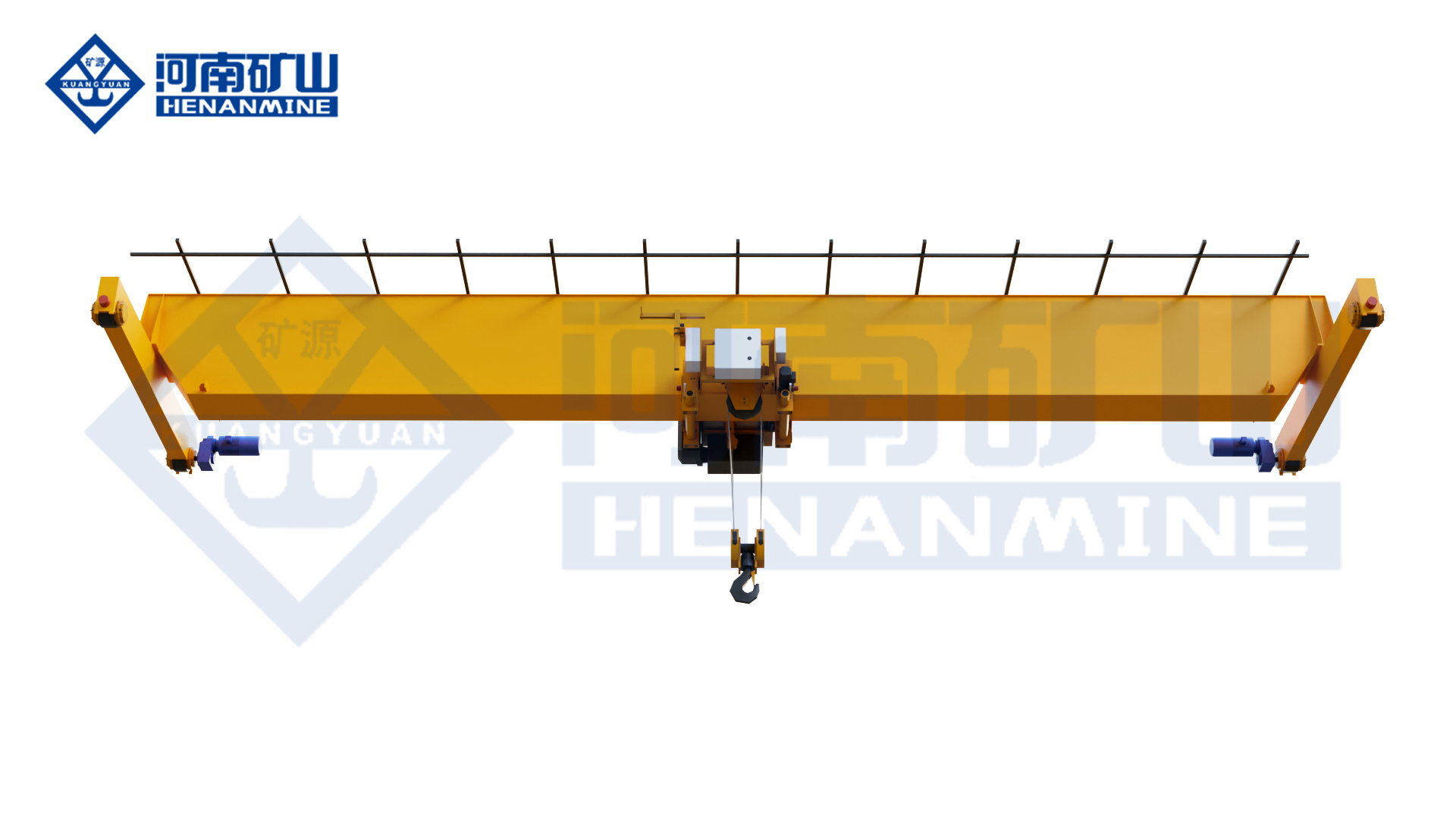
European-Style Single-Girder Crane
Compact overhead platform for lighter general warehouse transfer.
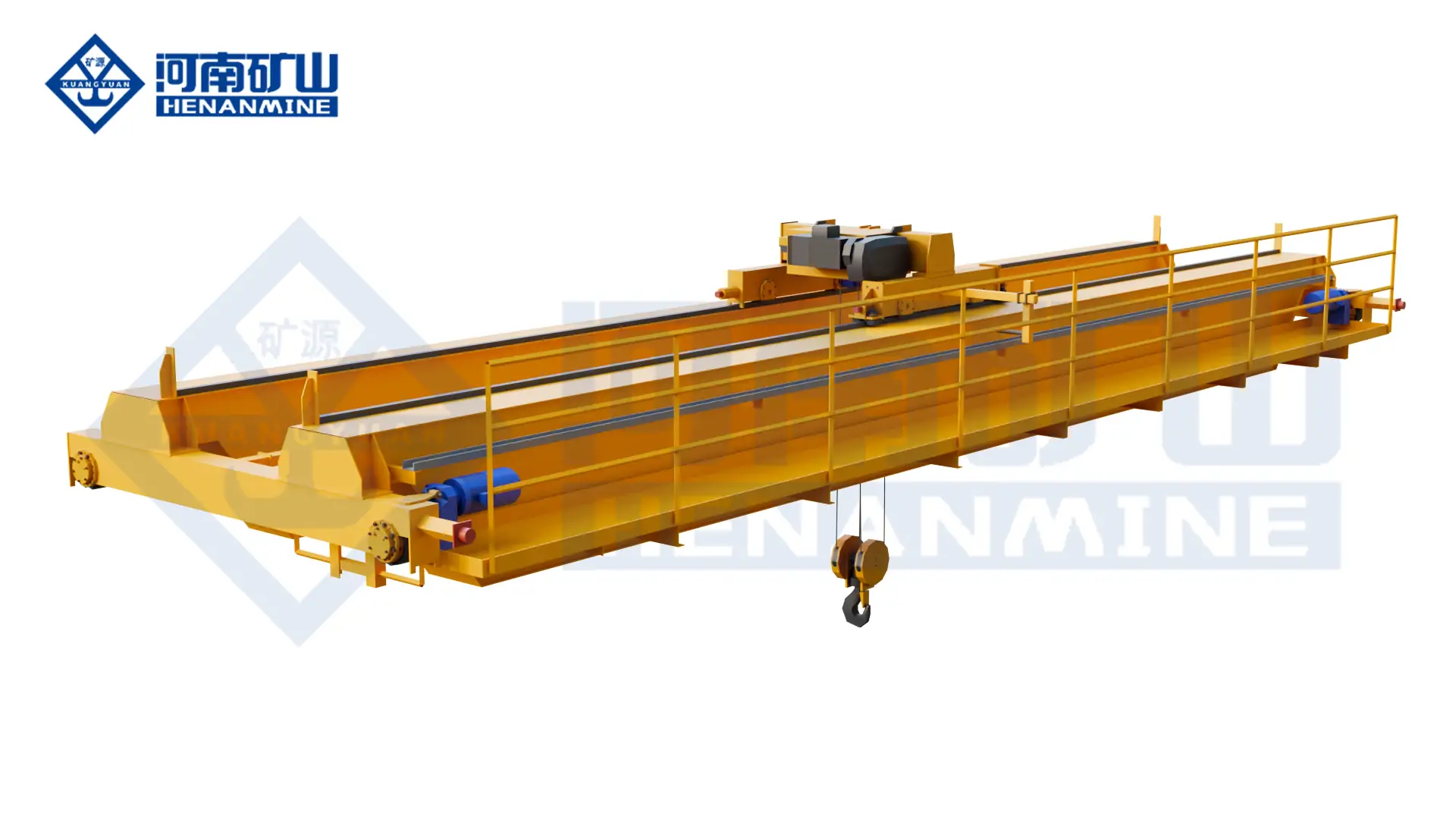
Intelligent Electric Hoist Overhead Crane
Double-girder electric-hoist platform for heavier warehouse duty.
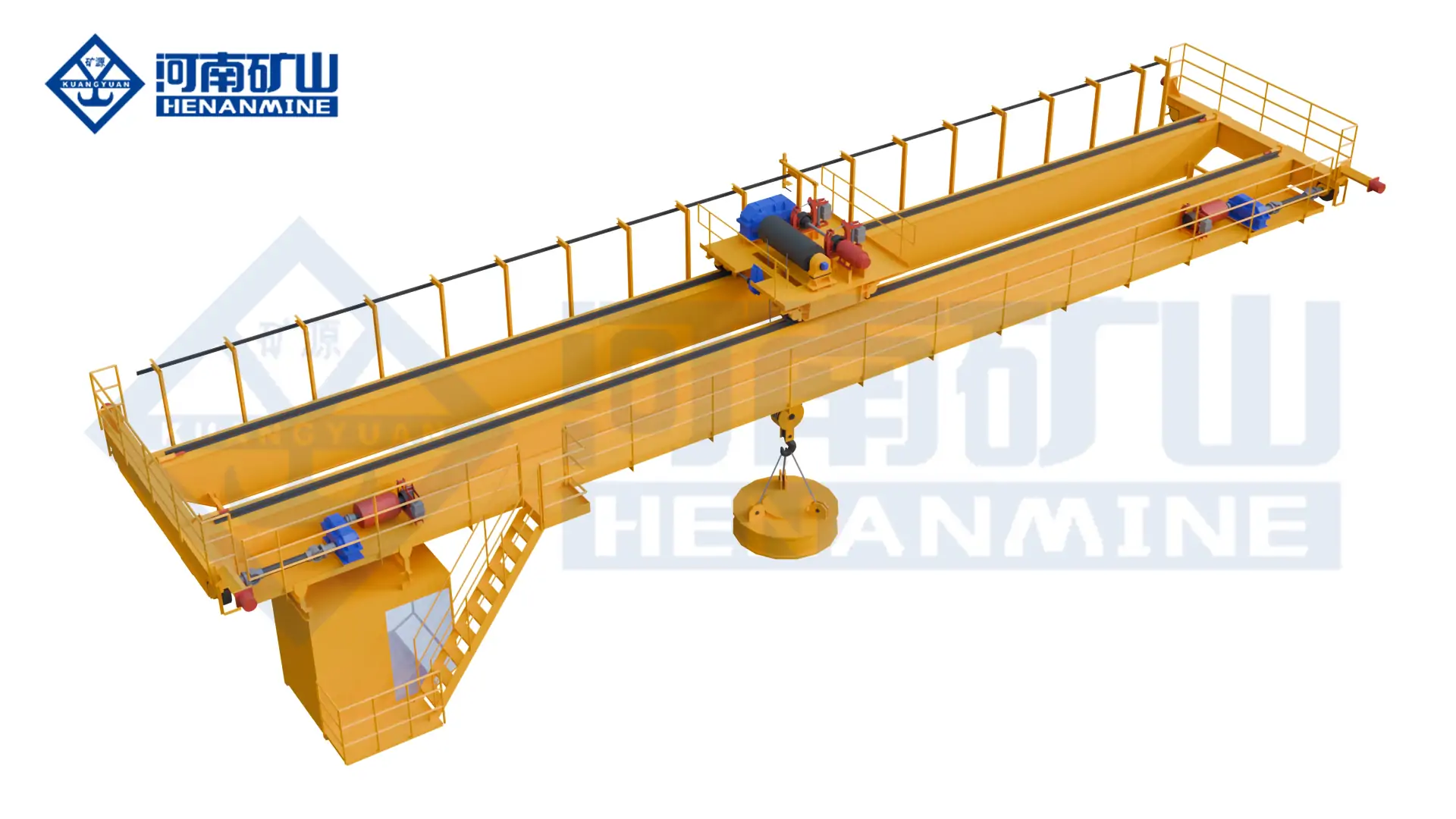
Electromagnetic Bridge Crane
Magnetic handling platform for validated plate, profiles and billets.
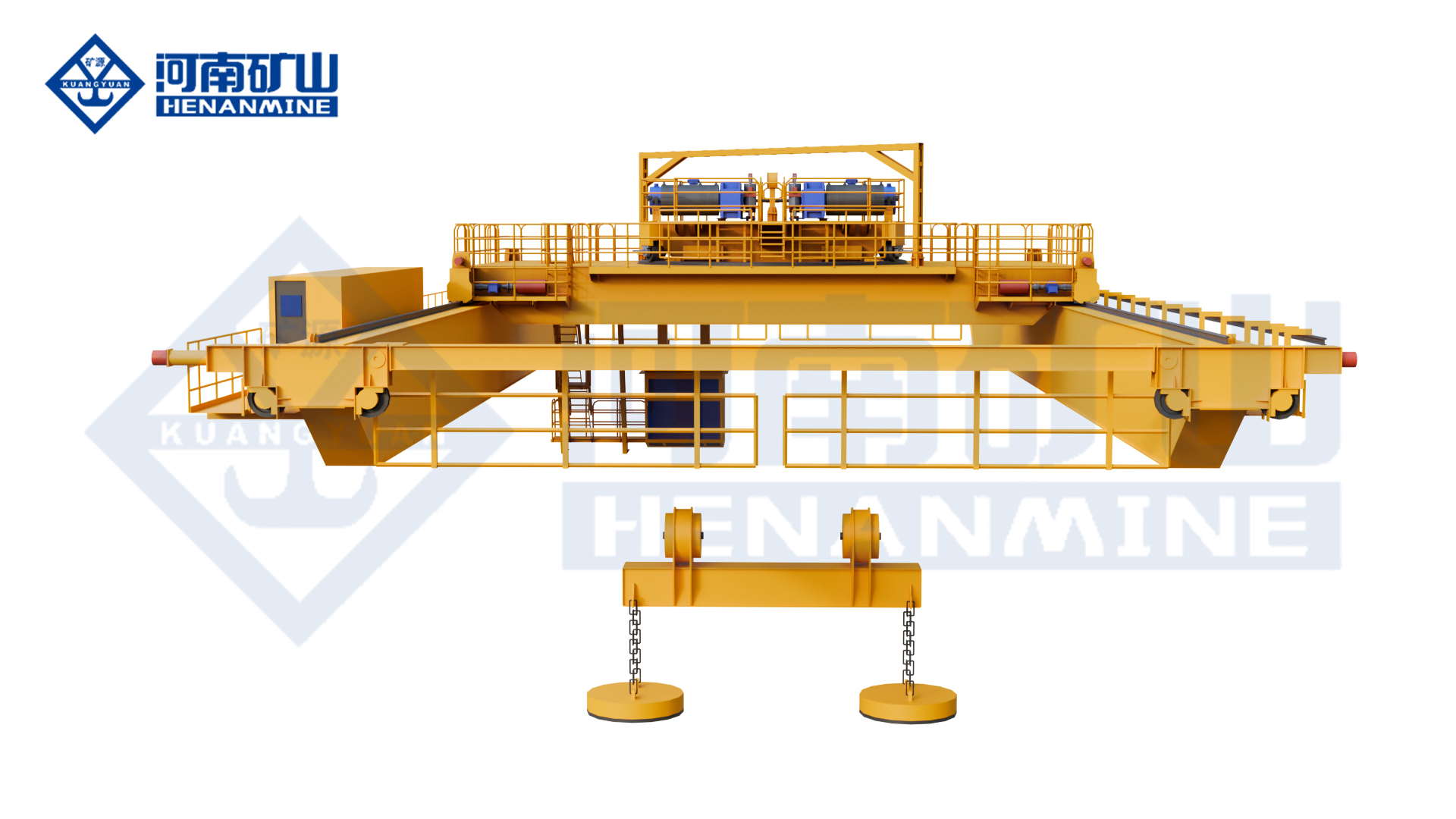
Upper Rotating Magnetic Overhead Crane
Rotating-trolley platform for long steel orientation and dense storage.
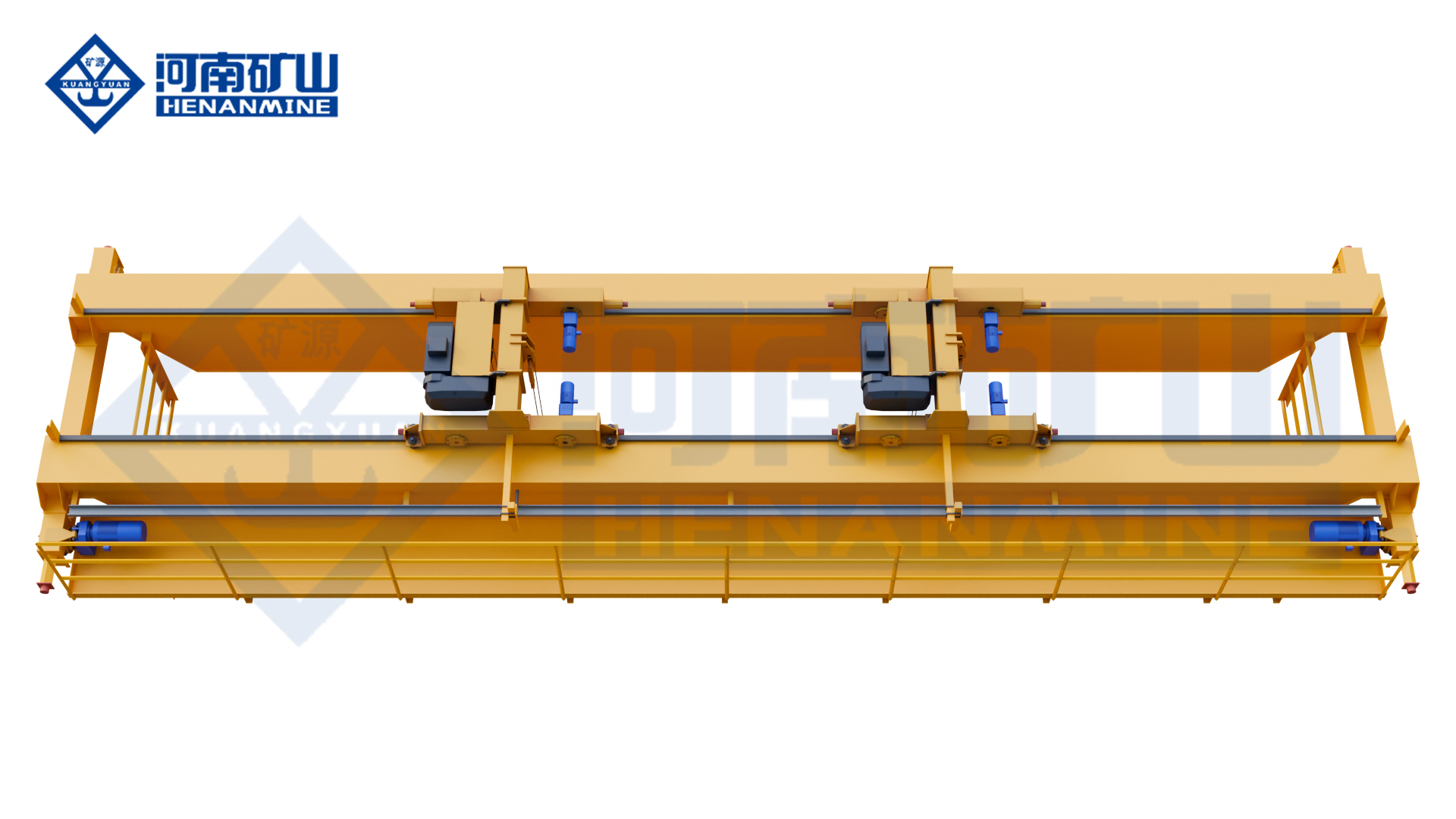
Double-Trolley Overhead Crane
Two-point lifting platform for long and mixed warehouse loads.
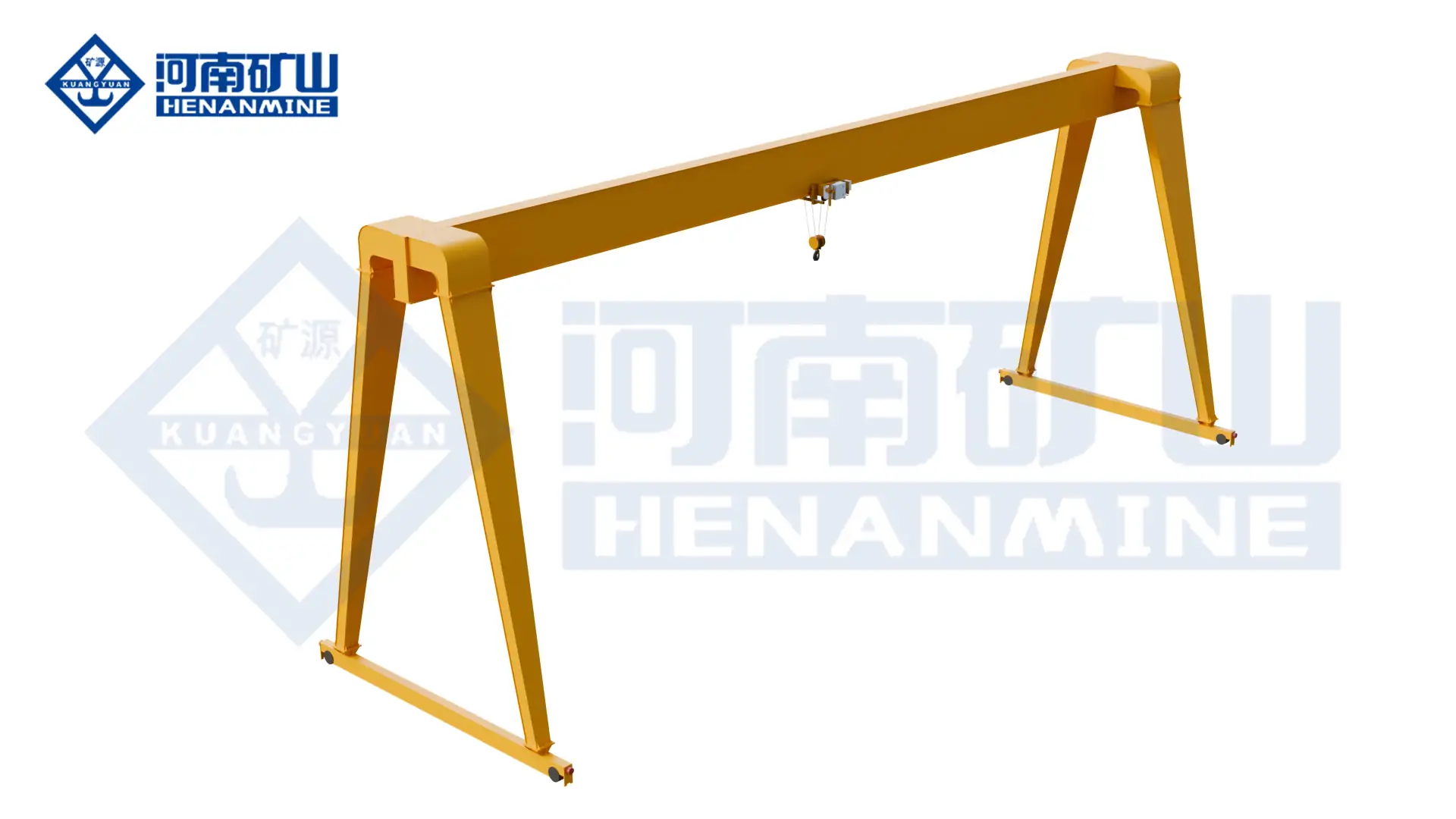
Single-Girder Gantry Crane
Ground-supported crane platform for outdoor steel storage areas.
Request a Steel Warehouse Crane Quote
Submit the material list, maximum gross suspended load, warehouse layout, span, lift, movement frequency, attachment preference, control level, destination and required delivery scope. Henan Mine Crane will prepare a configuration and commercial proposal against the declared operating basis.