
Henan Mine Crane · Engineered Hoist and Bridge Crane Packages
Overhead Crane Hoist Systems
Electric wire-rope and chain hoists, low-headroom hoist trolleys and complete overhead crane systems configured for capacity, lift, duty, positioning accuracy and building clearance.
Henan Mine Crane supplies hoist-only replacements, matched hoist-and-trolley assemblies and complete single- or double-girder bridge crane packages. Every proposal defines the equipment boundary, crane interface, controls, documentation and site responsibilities.
SUPPLY OPTIONS
Hoist Only, Crane Kit or Complete Crane
HOIST TYPES
Wire Rope, Chain, Low Headroom & Trolley
CRANE ARRANGEMENTS
Single, Double, Underhung & Multi-Hoist
SELECTION BASIS
Load, Lift, Duty, Headroom & Control
What Is an Overhead Crane Hoist?
An overhead crane hoist is the powered lifting mechanism that raises and lowers the load on a bridge crane. The hoist normally includes a lifting motor, brake, gearbox, rope drum or load chain, sheaves where applicable, hook block, limits and electrical controls. A trolley carries the hoist across the bridge, while the bridge travels along the runway to provide three-axis load movement.
The correct purchase may be a replacement hoist for an existing crane, a hoist-and-trolley assembly for a new bridge, a pre-engineered component kit or a complete fabricated crane. These scopes are not interchangeable. A replacement requires verified girder, rail, wheel, power and control interfaces; a complete crane also requires bridge structure, end carriages, electrification, runway data and commissioning requirements.
Rated capacity alone does not determine suitability. Lift height, headroom, hook approaches, duty spectrum, lifting speed, reeving, load geometry, operating environment and applicable regulations influence the final design. Henan Mine Crane establishes these inputs before confirming a wire-rope hoist, chain hoist, compact trolley or engineered winch arrangement.
Overhead Crane Hoist Types
01 · Electric Wire-Rope Hoist
The principal choice for industrial bridge cranes requiring longer lifts, stable hook travel and medium to high operating duty. Rope reeving, drum capacity, motor thermal rating and brake selection are matched to the load spectrum rather than capacity alone.
02 · Electric Chain Hoist
A compact option for lighter capacities, shorter lifts and service or workstation duties. Chain-bag clearance, chain wear, duty rating, trolley fit and inspection access must suit the bridge arrangement and working environment.
03 · Low-Headroom Hoist
Positions the hoist body beside or between the girder profile to improve available hook height. It is selected where roof clearance is limited, but the complete trolley envelope, end approaches and maintenance access still require dimensional approval.
04 · Double-Girder Hoist Trolley
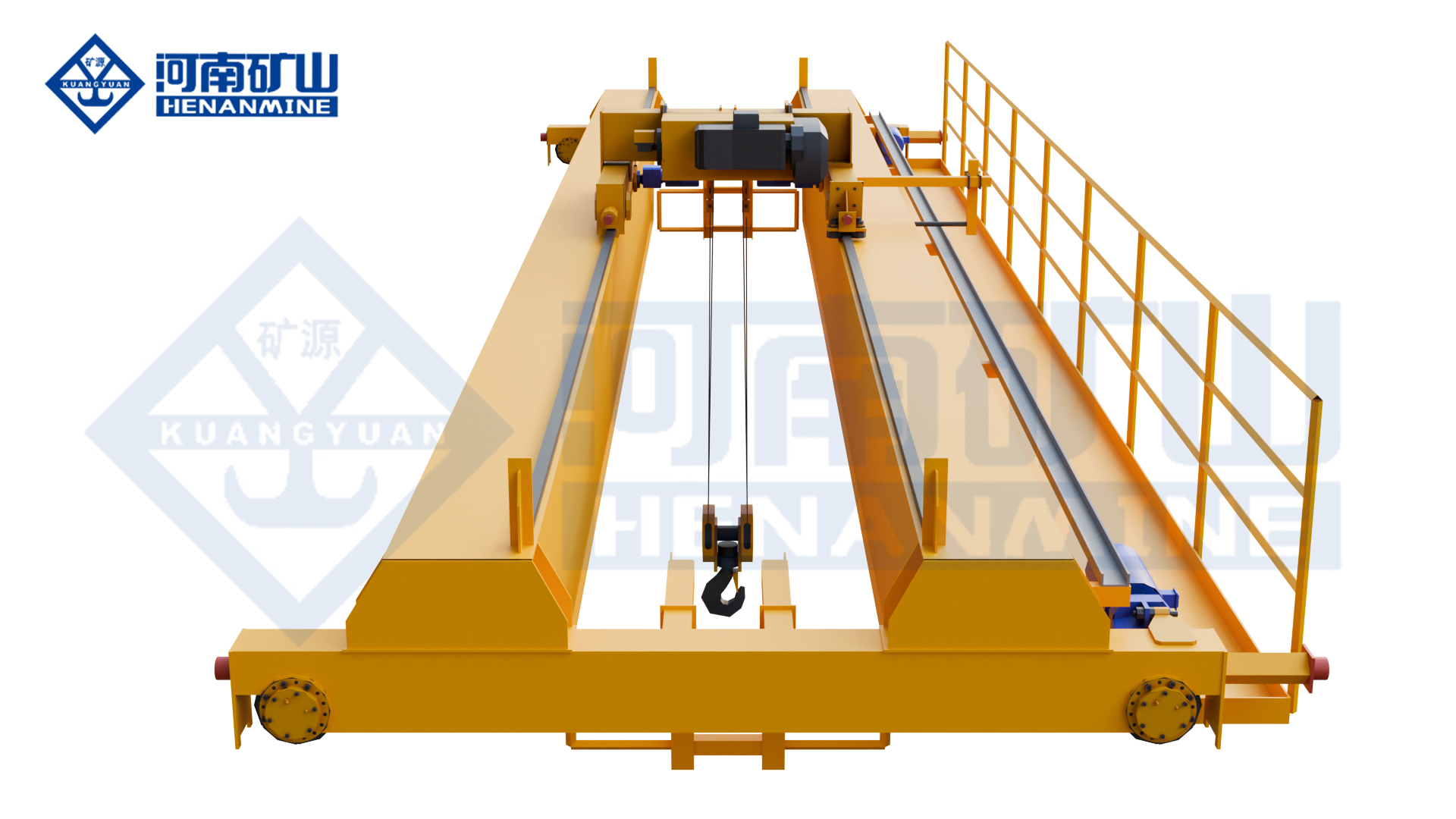
Travels on rails above or between two girders and supports greater capacity, lift or duty than a typical underslung monorail hoist. The trolley may carry one hoist, main and auxiliary hoists or coordinated lifting mechanisms.
05 · Multi-Hoist Crane System
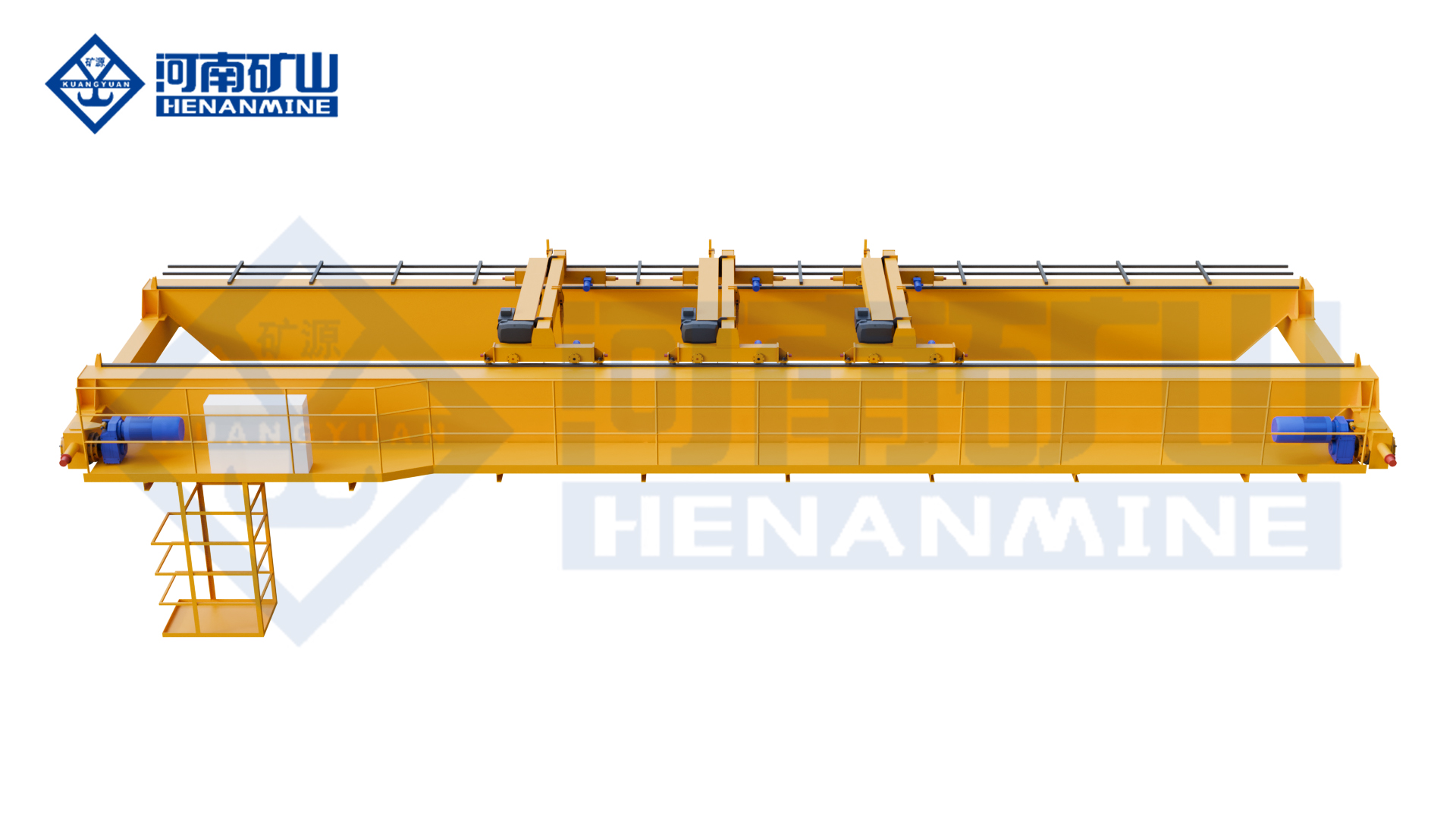
Uses two or three hoists or trolleys for long loads, staged maintenance and coordinated positioning. Individual capacities, total permitted load, spacing, simultaneous-motion rules and load sharing are defined in the control philosophy.
06 · Special-Environment Hoist
Explosion-protected, corrosion-resistant, clean, dust-resistant or metallurgical configurations are engineered for the classified area and process risk. A standard hoist with isolated upgraded parts is not automatically suitable for a special environment.
Compare Overhead Crane Hoist Configurations
The preferred configuration follows the load, frequency, building envelope and crane structure. The comparison below establishes an initial direction; final selection requires an approved duty and interface review.
| Hoist Configuration | Best Matched To | Crane Interface | Primary Advantage | Selection Boundary |
|---|---|---|---|---|
| Chain Hoist | Light production, service bays and compact workstations | Push, geared or motorized trolley on a suitable beam | Compact construction and straightforward servicing | Confirm duty, lift, chain container and trolley wheel fit |
| Standard Wire-Rope Hoist | General manufacturing, assembly and warehouse handling | Single-girder monorail trolley or supported trolley arrangement | Balanced capacity, speed, lift and industrial duty | Check headroom, reeving, drum capacity and fleet angle |
| Low-Headroom Wire-Rope Hoist | Existing or low-roof workshops requiring greater hook height | Offset trolley arranged around the girder profile | Improves usable lift without raising the runway | Dimensioned approval is required for girder and end clearances |
| Double-Girder Hoist Trolley | Higher capacity, longer lift or medium-heavy production duty | Top-running trolley on bridge rails | Higher structural reserve and better hook approaches | Trolley rail gauge, wheel loads and bridge stiffness must match |
| Dual or Multi-Hoist System | Long products, rolls, beams and coordinated maintenance lifts | Two or more hoists on one bridge or separate trolleys | Independent or synchronized pickup points | Total load, side pull, equalization and permitted combinations are defined |
| Open-Winch Trolley | Severe duty, very high capacity or process-critical lifting | Engineered trolley with separate drum, drives and machinery deck | Maximum customization, redundancy and maintainability | A project-engineered alternative rather than a packaged hoist |
Procurement boundary: a hoist is not a complete overhead crane. The bridge, end trucks, runway interface, electrification, controls, structural steel and site services must be listed separately in every commercial comparison.
Match the Hoist to the Crane and Application
A hoist should be selected from the handling cycle and installed geometry. General workshop loads may favor a compact single-girder wire-rope hoist, while long products may require two independently controlled hoists. Low-clearance buildings benefit from a side-mounted or between-girder trolley only after the full hook path and maintenance envelope have been checked.
The load itself defines the below-hook equipment and operating behavior. Machined assemblies, dies, coils, maintenance components and bulk-material attachments create different centers of gravity, starting torque, positioning accuracy and side-load risk. The crane layout must keep the rope or chain vertical during normal lifting.
Environmental data is part of the selection basis. Dust, humidity, corrosive vapor, washdown, outdoor exposure, high ambient temperature and classified hazardous areas affect enclosures, motors, brakes, cables, coatings and inspection intervals.
| Crane or Application | Recommended Starting Point | Critical Inputs | Engineering Priority |
|---|---|---|---|
| Single-girder top-running crane | Motorized wire-rope hoist or chain hoist below the girder | Capacity, flange or trolley interface, headroom, approach and duty | Low self-weight with verified girder and trolley compatibility |
| Underhung bridge crane | Compact hoist on an under-running bridge | Runway flange, suspension points, wheel loads and building reactions | Controlled loads on the supporting roof or floor structure |
| Double-girder overhead crane | Rail-mounted hoist trolley or engineered winch trolley | Rail gauge, wheel base, hook approach, capacity, lift and duty | Stable trolley support and service access at higher duty |
| Low-clearance workshop | Low-headroom hoist or compact between-girder trolley | Roof obstructions, rail elevation, highest load point and hook dimension | Maximum usable lift with an approved maintenance envelope |
| Long or flexible load | Dual hoists or two-trolley synchronized system | Pickup spacing, total mass, center of gravity and allowable twist | Defined load sharing, speed matching and operating combinations |
| Hazardous or process area | Application-specific protected hoist and crane package | Zone or division, gas or dust group, temperature class and process risk | Whole-system compliance rather than component-level substitution |
Technical Selection and Specification Framework
A procurement specification should state the operating requirement, not only a model designation. The following data establishes the mechanical, electrical and structural basis for a new hoist or replacement unit.
| Specification Item | Information to Provide | Engineering Decision | Commercial Effect |
|---|---|---|---|
| Rated load and attachment | Maximum lifted load plus hook, beam, magnet, grab or below-hook device | Capacity, hook block, reeving, motor, brake and structural load | A heavier attachment can change the required hoist rating |
| Lift and hook path | Lowest pickup, highest set-down, floor-to-rail dimension and required reserve | Rope or chain length, drum capacity, reeving and limit positions | Long lift increases rope, drum, frame and shipping requirements |
| Headroom and approaches | Rail elevation, roof obstructions, girder profile and required end approaches | Normal, low-headroom or between-girder trolley arrangement | Compact layouts require project-specific dimensional engineering |
| Duty spectrum | Lifts per hour, average load, maximum-load frequency, shifts and annual hours | Hoist duty class, motor thermal rating, brake duty and component life | Higher utilization changes mechanisms and lifecycle cost |
| Hoisting performance | Main and creep speeds, acceleration, positioning tolerance and cycle target | Single, dual or variable speed; encoder and feedback requirements | Precision and high speed affect drives, controls and braking |
| Rope, chain and reeving | Load stability, hook travel, fleet angle and service accessibility | Rope construction, falls, sheaves, drum or chain dimensions | Reeving governs hook behavior, wear and maintenance access |
| Trolley and girder interface | Beam flange or rail section, gauge, wheel loads, bridge deflection and clearances | Wheel profile, trolley frame, buffers and conductor arrangement | Replacement fit must be verified from measurements and drawings |
| Power and controls | Voltage, frequency, control voltage, pendant, radio, cab and plant interfaces | Contactors or VFDs, panel design, festoon and communications | Controls determine positioning, integration and documentation scope |
| Operating environment | Indoor or outdoor service, temperature, humidity, dust, corrosion and hazardous classification | Enclosure, insulation, heating, cooling, coating and component protection | Special protection must cover the complete hoist and crane system |
| Compliance and acceptance | Destination, governing codes, buyer specification, inspection and witness plan | Design basis, document list, tests, certificates and load-test procedure | Late changes can affect design, schedule and approval cost |
Intelligent Electric Hoist Crane Range
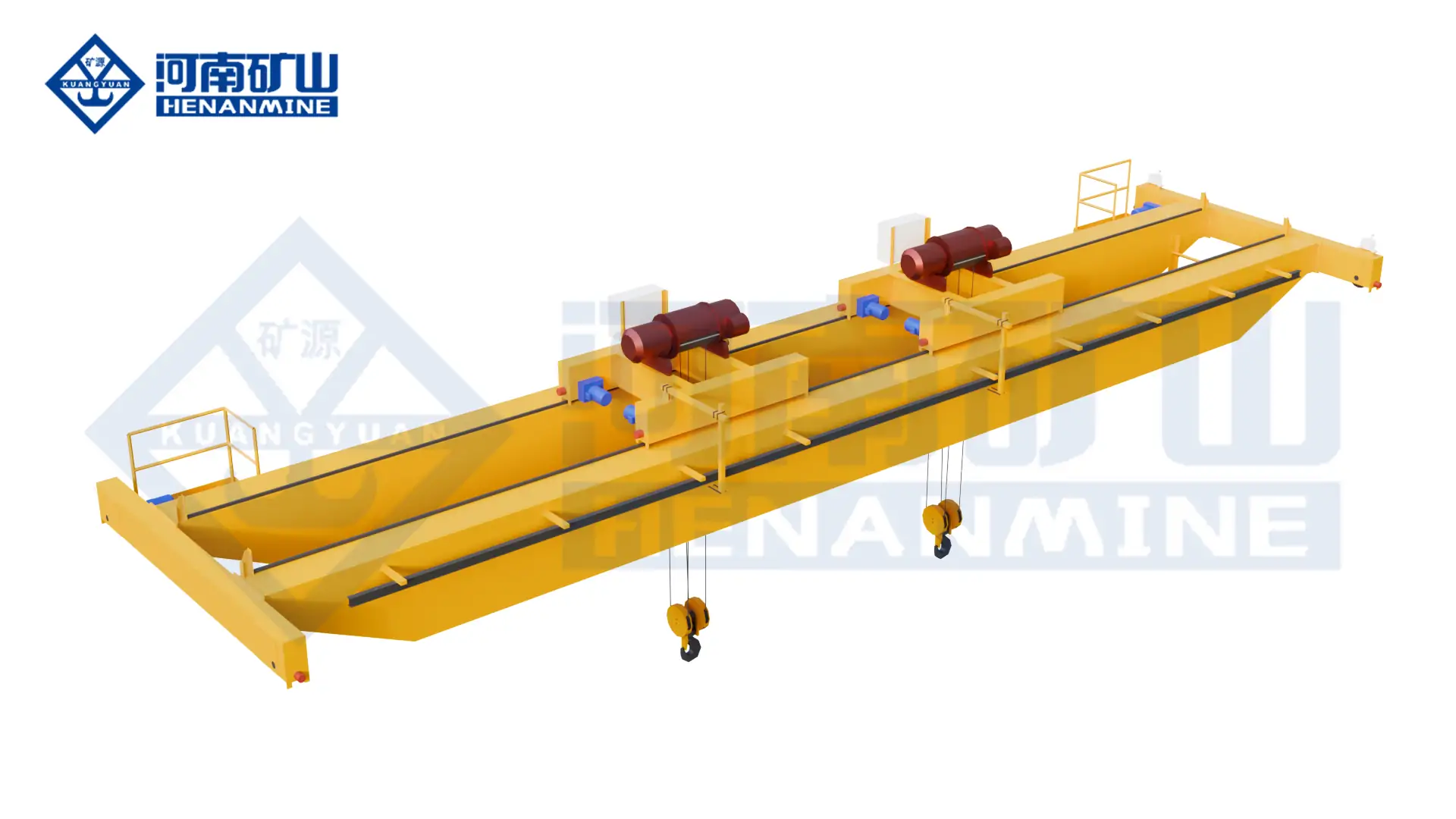
Henan Mine Crane product-family data covers 1–32 t capacity, 7.5–31.5 m span, 6–30 m lift and A5–A6 crane duty. Final values follow the approved project specification.
Double-Trolley Hoist Crane Range
Available product-family data covers 1+1–32+32 t combined capacities, 7.5–31.5 m spans, 6–30 m lift and A5–A6 duty for coordinated or independent handling.
Safety, Controls and Hoist Protection
Hoisting Brake System
The brake is selected for motor torque, load, speed, duty and governing requirements. Brake release monitoring, manual release control or additional braking functions are defined where the risk assessment requires them.
Upper and Lower Limits
Operating and final limits prevent normal overtravel. Their positions are established from the actual reeving, hook block, drum and site clearances; a limit device is not used as a routine stopping control.
Overload Protection
A calibrated load-limiting or monitoring device prevents lifting beyond the permitted setting. Display, alarm, shutdown and data functions are coordinated with the crane control philosophy.
Rope or Chain Monitoring
Inspection access is provided for wire rope, drum, sheaves, anchorage, load chain, sprocket and chain guide. Removal criteria follow the applicable rules and manufacturer instructions.
Controlled Travel and Anti-Sway
Variable-frequency trolley and bridge drives provide smooth acceleration and deceleration. Position feedback, speed zones and anti-sway functions can be added where repeatability or load stability is critical.
Emergency and Isolation Functions
Emergency stop, main isolation, travel buffers, warning devices and lockout provisions are incorporated into the complete crane. The final arrangement follows the destination and site risk assessment.
Hoisting Mechanism, Motion Control and Load Positioning
In a wire-rope hoist, the motor and gearbox rotate the drum while the reeving system converts rope movement into controlled hook travel. The brake holds the suspended load when power is removed. Sheave arrangement, rope falls and drum capacity determine hook speed, stability and available lift. A chain hoist uses a load sprocket and calibrated chain but follows the same requirement for matched motor, brake, limits and trolley duty.
Single- or dual-speed contactor control provides fixed operating speeds. Variable-frequency control permits adjustable acceleration, deceleration and creep motion, reducing load swing and supporting accurate placement. The selected control mode must remain compatible with brake timing, motor cooling and the required duty cycle.
Multi-hoist systems require a defined operating matrix. The design states whether hoists may run independently, together or in synchronized mode; which combined loads are permitted; and how unequal loading, encoder disagreement or a drive fault is handled. No synchronization feature replaces correct rigging or an approved lifting plan.
Engineering Application Profile
16 t Compact Hoist Trolley for a Low-Clearance Workshop
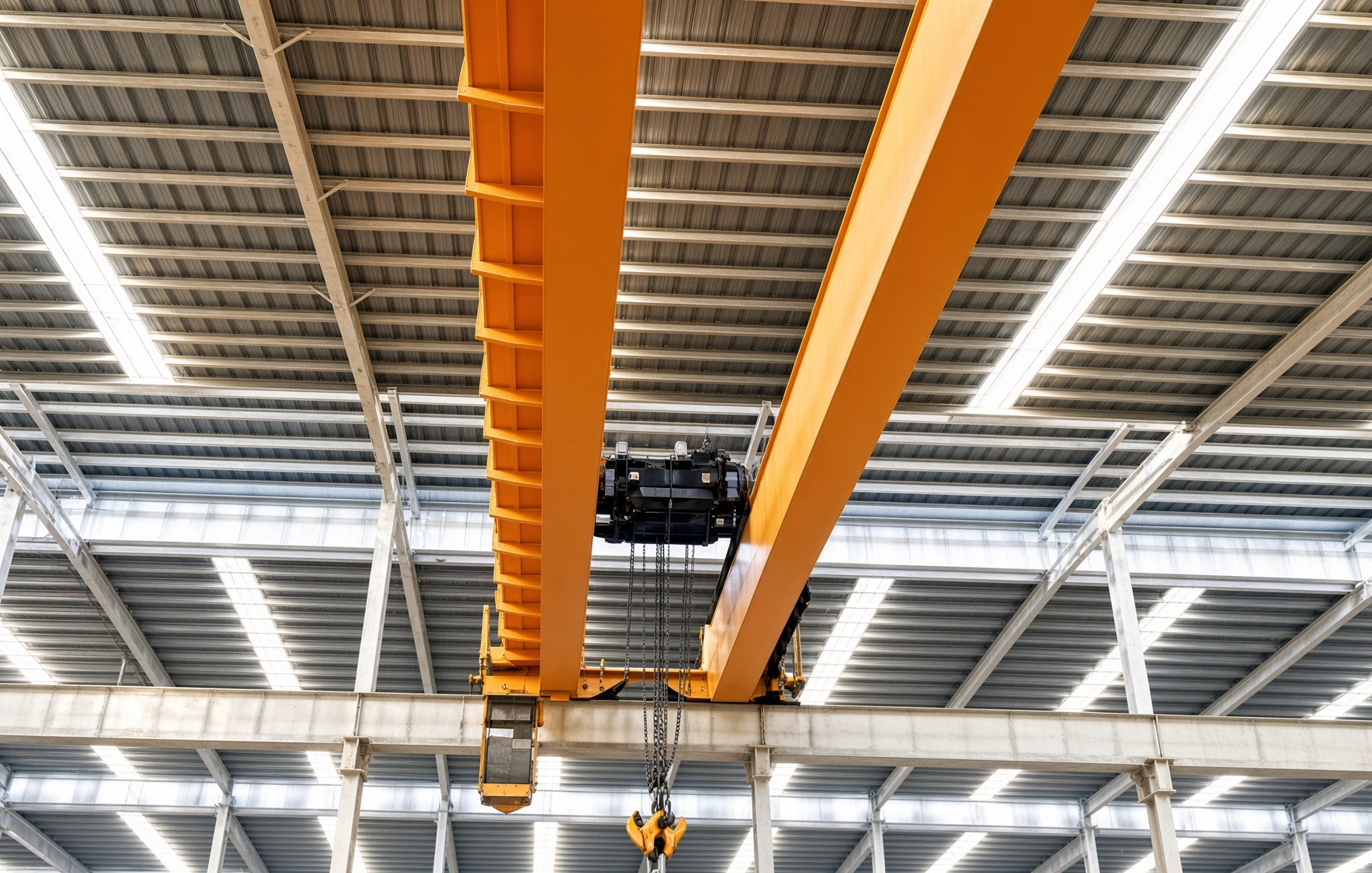
A 16 t double-girder overhead crane application demonstrates how a compact hoist-trolley layout can recover hook height where an existing workshop has restricted clearance above the runway. The trolley machinery is arranged within the available girder envelope instead of relying on a conventional high-profile configuration.
The engineering study begins with rail elevation, roof structure, obstruction zones, highest required load position, hook block dimensions and service access. Trolley wheel loads, rail gauge, bridge stiffness, lifting duty and end approaches are then checked as one arrangement. The objective is usable lift and maintainability, not minimum headroom in isolation.
This configuration is suitable for capacity expansion or replacement projects only after the existing runway and building have been surveyed. Final dimensions, duty, speeds, controls and compliance requirements remain project-specific.
Engineering Deliverables and Quality Records
A technically comparable proposal includes interface drawings, performance data, inspection records and an acceptance plan. Contract deliverables are defined before manufacturing.
Selection and Interface Package
Approved data sheet, duty calculation, hoist and trolley arrangement, reeving diagram, hook approaches, wheel loads, girder or rail interface, power demand and equipment boundary.
Design and Control Documents
General arrangement, electrical diagrams, motor and brake data, control narrative, limit and interlock schedule, component list, inspection points and applicable compliance matrix.
Manufacturing and Inspection Records
Material and component certificates, welding and dimensional records where applicable, gearbox and brake checks, rope or chain records, electrical inspection and coating documentation.
Testing and Handover Records
Factory functional checks, direction and limit verification, brake test, overload-device setting, site load-test plan, commissioning reports, manuals, spare-parts list and training records.
Review Henan Mine Crane manufacturing and quality capabilities →
Installation, Commissioning and Lifecycle Planning
Existing-Crane Survey
For replacement work, record beam or rail dimensions, trolley gauge, hook approaches, power, controls, wheel loads, bridge condition and available access. Verify the supporting crane before ordering the hoist.
Installation and Alignment
Install trolley wheels, buffers, festoon, limits, rope or chain, hook block and controls under approved procedures. Check alignment, clearances, fasteners, lubrication and electrical protection before energization.
Commissioning and Load Test
Verify directions, brakes, limits, overload protection, pendant or radio functions and all crane motions. Conduct no-load, rated-load and statutory tests under the agreed acceptance plan.
Inspection and Maintenance
Establish inspections for brakes, rope or chain, drum, sheaves, hook, trolley wheels, gearbox, motors, limits, controls and structure. Intervals follow actual duty, environment and governing requirements.
Overhead Crane Hoist Price and Supply Scope
Hoist prices cannot be compared without capacity, lift, duty, headroom, speed, trolley arrangement, controls and included equipment. The following September 2026 North American retail benchmarks show how the commercial value changes between a hoist-only purchase and a crane component kit. They are market indicators, not fixed Henan Mine Crane quotations.
| Purchase Scope | Indicative Price | Typical Included Equipment | Items Requiring Confirmation |
|---|---|---|---|
| 5 t wire-rope hoist only | About US$17,800 | Published example for a branded normal-headroom hoist; exact trolley and control scope must be checked | Lift, duty, voltage, trolley interface, festoon, bridge compatibility, freight and installation |
| 5 t under-running crane kit | About US$28,100 | Low-headroom hoist and trolley, end trucks, control panel, pendant and bridge festoon in the published configuration | Bridge beam, runway rails, fabrication, installation, site power and destination compliance |
| 5 t, 50 ft component kit | About US$30,800 | Wire-rope hoist and trolley, motorized end trucks, festoon, bridge panel and pendant in the published configuration | Main girder, service platform, runway steel, runway power, spares, freight and installation |
| Complete custom crane or installed system | Project quotation | Approved hoist, trolley, bridge structure, end carriages, controls, electrification and contracted documentation | Runway, freight, erection, commissioning, load testing, inspection and local works as defined |
A lower equipment price may exclude the steel girder, runway, electrical feed, compliance documents or site services. Commercial evaluation should use one approved specification and a line-by-line inclusion, exclusion and responsibility schedule.
Hoist Equipment
Motor, brake, gearbox, rope or chain, drum or sprocket, hook block, trolley, limits and local controls.
Crane Components
Bridge girder, end carriages, travel drives, bridge panel, festoon, conductor system and access provisions.
Engineering and Records
Selection calculations, interface drawings, electrical documents, inspections, manuals and acceptance records.
Delivery and Site Work
Packing, freight, runway work, erection, power connection, commissioning, load test, training and spares.
Information Required for an Overhead Crane Hoist Quote
Complete project data allows the hoist, trolley and bridge interface to be priced on one defined basis. Existing equipment photographs should be accompanied by measured dimensions and available drawings.
01 · Purchase Scope
State whether the requirement is hoist only, hoist and trolley, component kit, complete crane or installed system.
02 · Load Data
Provide maximum gross load, typical load, attachment mass, dimensions, center of gravity and pickup method.
03 · Capacity and Lift
Specify rated capacity, lowest pickup, highest set-down, required lift and hook reserve.
04 · Crane Arrangement
Identify single or double girder, top running or underhung, trolley rail or beam details and runway length.
05 · Building Dimensions
Provide span, rail elevation, roof clearance, obstructions, hook approaches and maintenance access.
06 · Operating Duty
List lifts per hour, load spectrum, shifts, annual hours, required availability and expected design life.
07 · Motion Performance
Define hoisting and travel speeds, creep speed, acceleration, positioning accuracy and synchronization needs.
08 · Power and Control
Confirm voltage, frequency, pendant, radio or cab operation, plant signals and preferred control architecture.
09 · Environment and Codes
State temperature, indoor or outdoor service, dust, corrosion, hazardous classification, destination and standards.
10 · Commercial Boundary
Confirm delivery location, trade term, freight, runway, installation, testing, inspection, training and spares.
Overhead Crane Hoist FAQ
Is an overhead crane hoist the same as an overhead crane?
No. The hoist raises and lowers the load. The trolley moves across the bridge, and the bridge travels along the runway. A complete crane combines all of these systems with controls and electrification.
Should an overhead crane use a chain hoist or wire-rope hoist?
Chain hoists commonly suit lighter, shorter-lift service. Wire-rope hoists generally suit longer lift, greater speed and industrial production duty. Final selection follows capacity, duty, headroom and maintenance requirements.
What information is needed to replace an existing hoist?
Provide capacity, lift, duty, power, controls, beam or trolley rail dimensions, wheel gauge, hook approaches, headroom, existing drawings and clear photographs. The supporting crane condition must also be verified.
Can a larger hoist be installed on an existing crane?
Not without engineering verification. Greater capacity or self-weight can exceed girder, end truck, runway, electrical or braking limits. The entire load path and supporting structure must be checked.
What is a low-headroom overhead crane hoist?
It is a compact hoist-trolley arrangement that places machinery beside or within the girder envelope to increase usable hook height. Actual benefit depends on the complete crane and building geometry.
Can two overhead crane hoists lift one load?
Yes, when the crane, controls, rigging and operating procedure are designed for the lift. Individual capacity, total load, spacing, synchronization, load sharing and fault response must be defined.
Which hoist control is best for precise positioning?
Variable-frequency control with suitable motor feedback and brake coordination provides smooth acceleration and creep speed. Required positioning tolerance, load behavior and duty determine the final control package.
How much does an overhead crane hoist cost?
Price depends on capacity, lift, duty, headroom, speed, trolley, controls and compliance. Current 5 t retail examples range from about US$17,800 for a hoist to about US$28,000–31,000 for component kits.
Does a crane kit include the bridge and runway steel?
Not necessarily. Many kits include the hoist, trolley, end trucks, controls and festoon but exclude the main girder, runway, electrical feed, fabrication and installation. Every quotation must list inclusions.
How is hoist duty selected?
Duty is selected from the number of starts, operating time, load spectrum, lifting height, speed, shifts and environment. A frequently cycled partial load can require more duty than an occasional full-capacity lift.
Related Overhead Crane Hoist Products
Select the lifting mechanism and complete crane arrangement from the application, duty and building interface. Each product is configured to the approved project data.
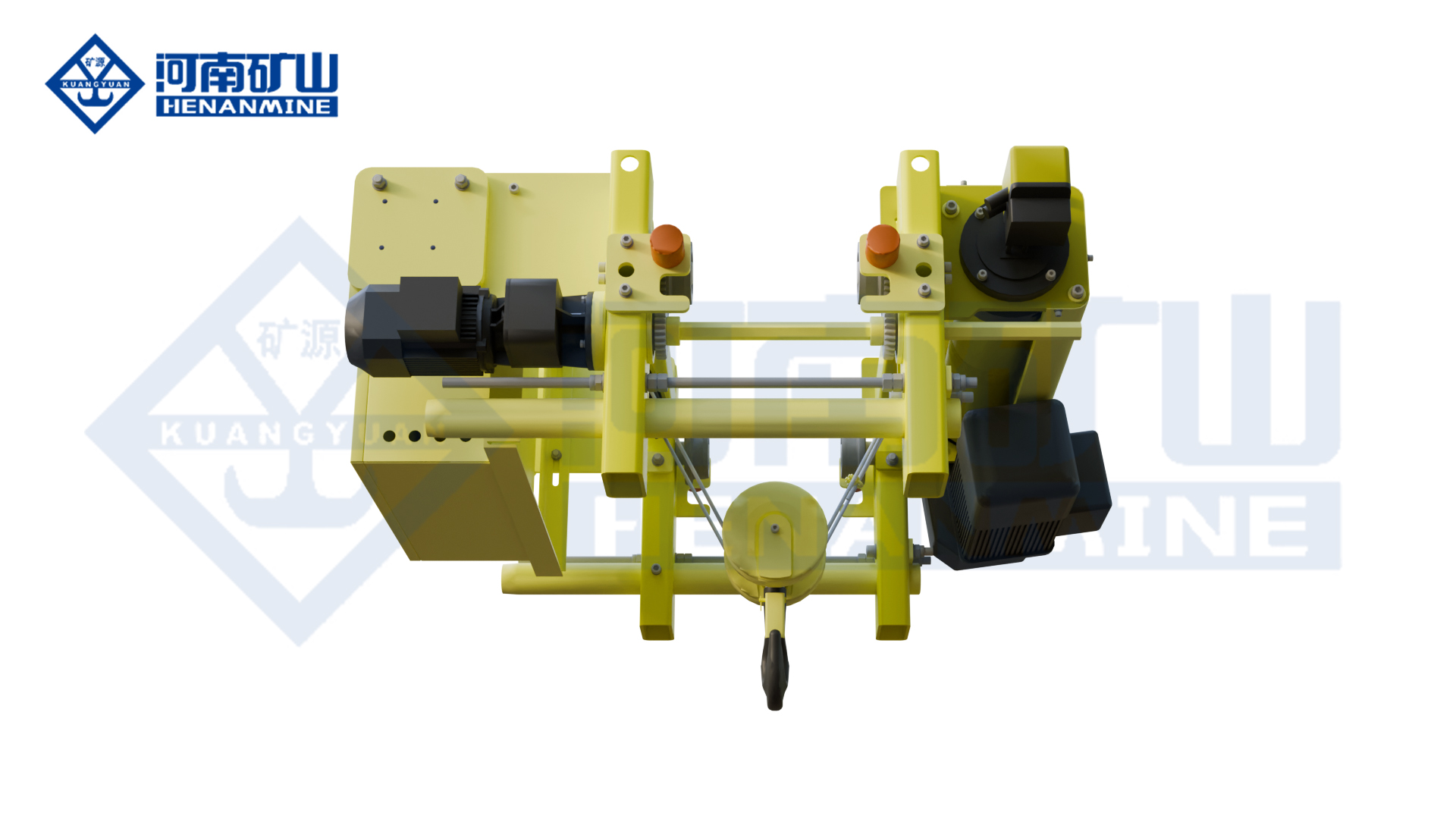
New Electric Hoist
Compact modular electric hoist for industrial lifting and matched overhead crane applications.
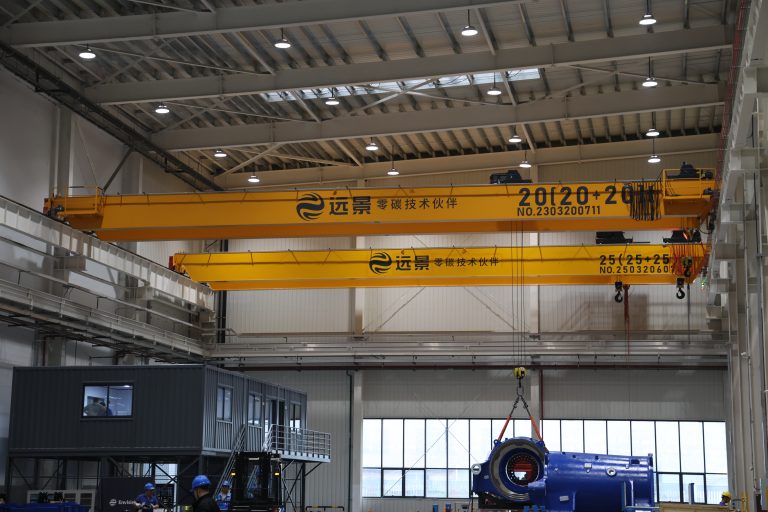
Intelligent Electric Hoist Overhead Crane
Frequency-controlled overhead crane for workshops, assembly areas and warehouses.
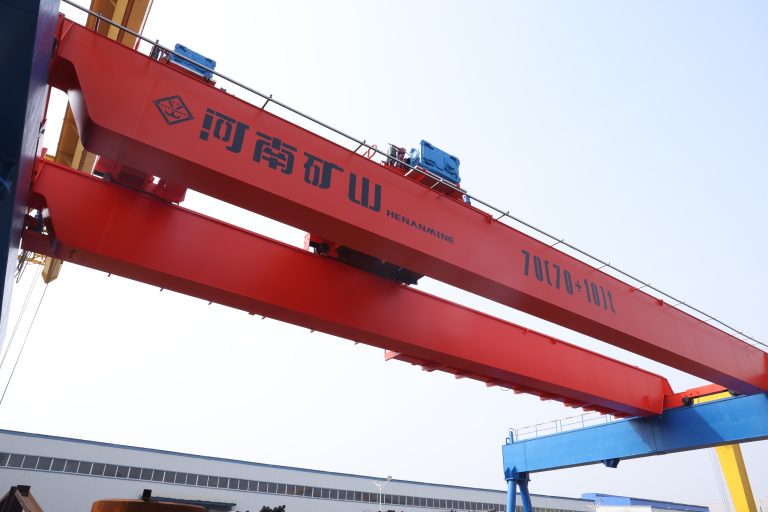
Double-Trolley Electric Hoist Crane
Two-trolley system for long loads, coordinated lifting and flexible pickup spacing.
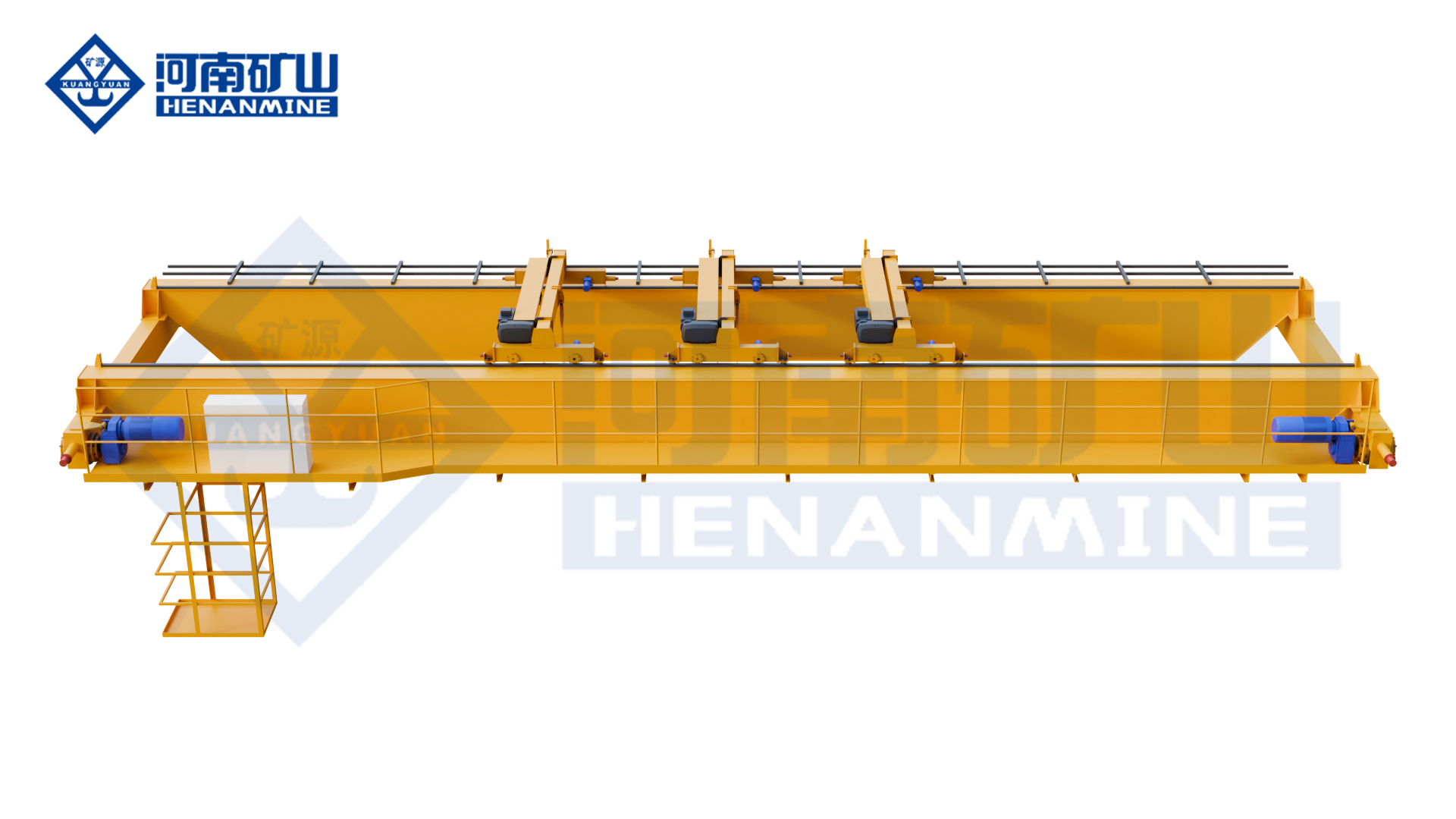
Three-Trolley Electric Hoist Crane
Multi-trolley bridge crane for independent stations and complex handling sequences.
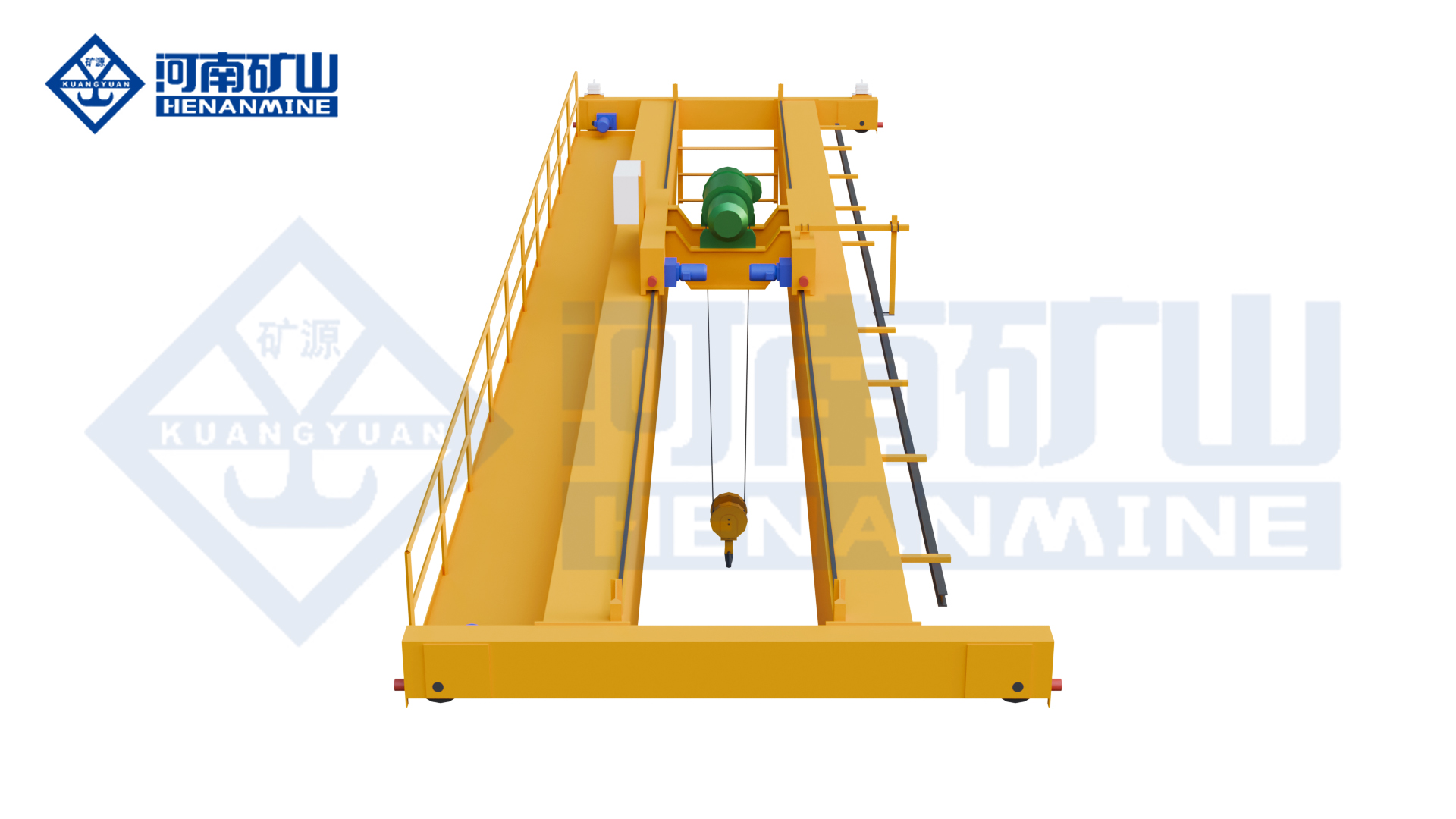
Explosion-Proof Electric Hoist Crane
Application-specific crane package for correctly classified hazardous environments.
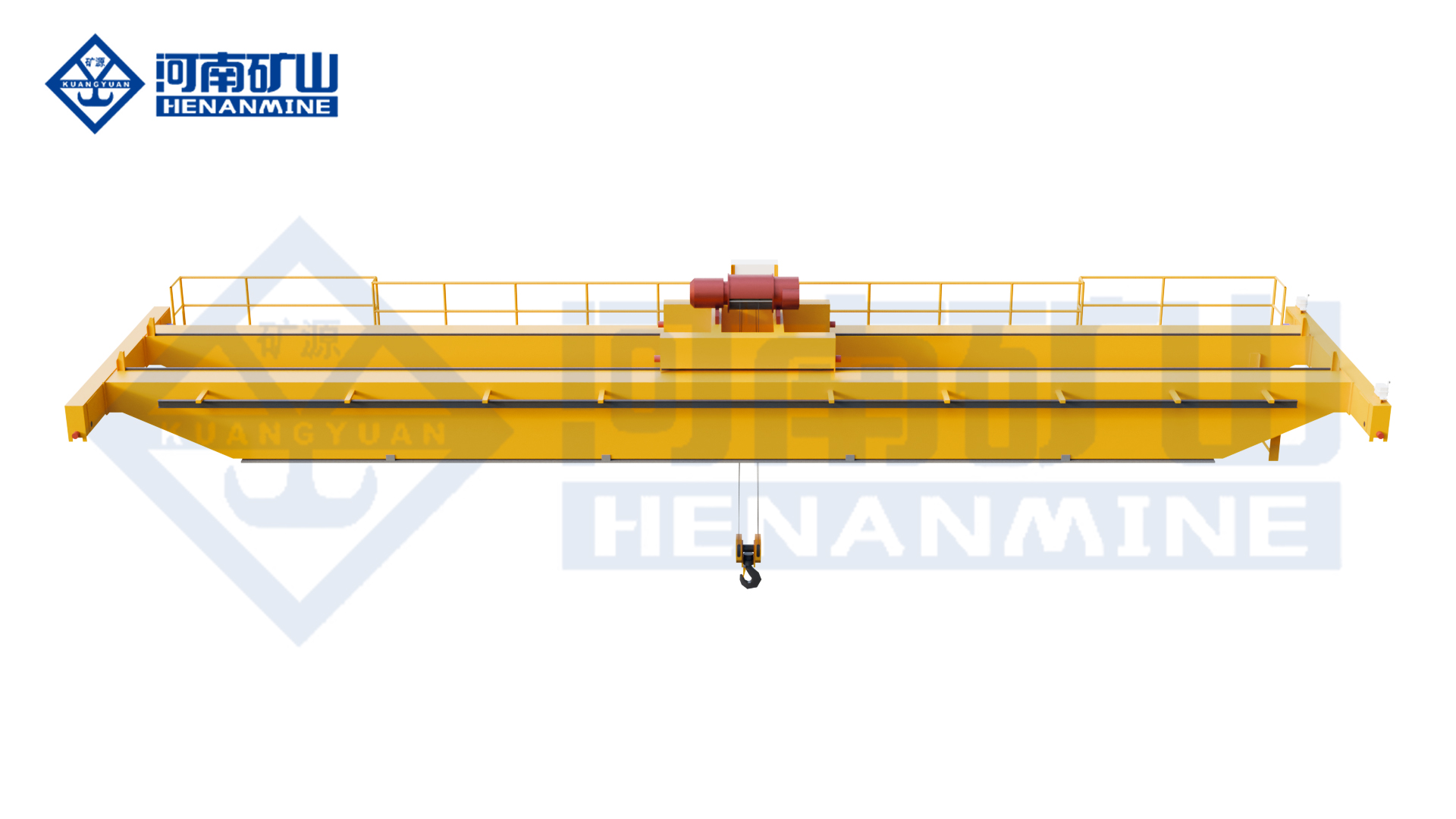
Metallurgical Electric Hoist Crane
Specialized electric-hoist crane for defined metallurgical handling and thermal conditions.
Request an Overhead Crane Hoist Proposal
Submit the purchase scope, maximum load, lift, duty, speed, crane arrangement, beam or trolley-rail dimensions, available headroom, power supply, controls, environment, destination standards and delivery location. Henan Mine Crane will prepare a project-specific technical and commercial proposal.