
Overhead Cranes / Henan Mine Crane
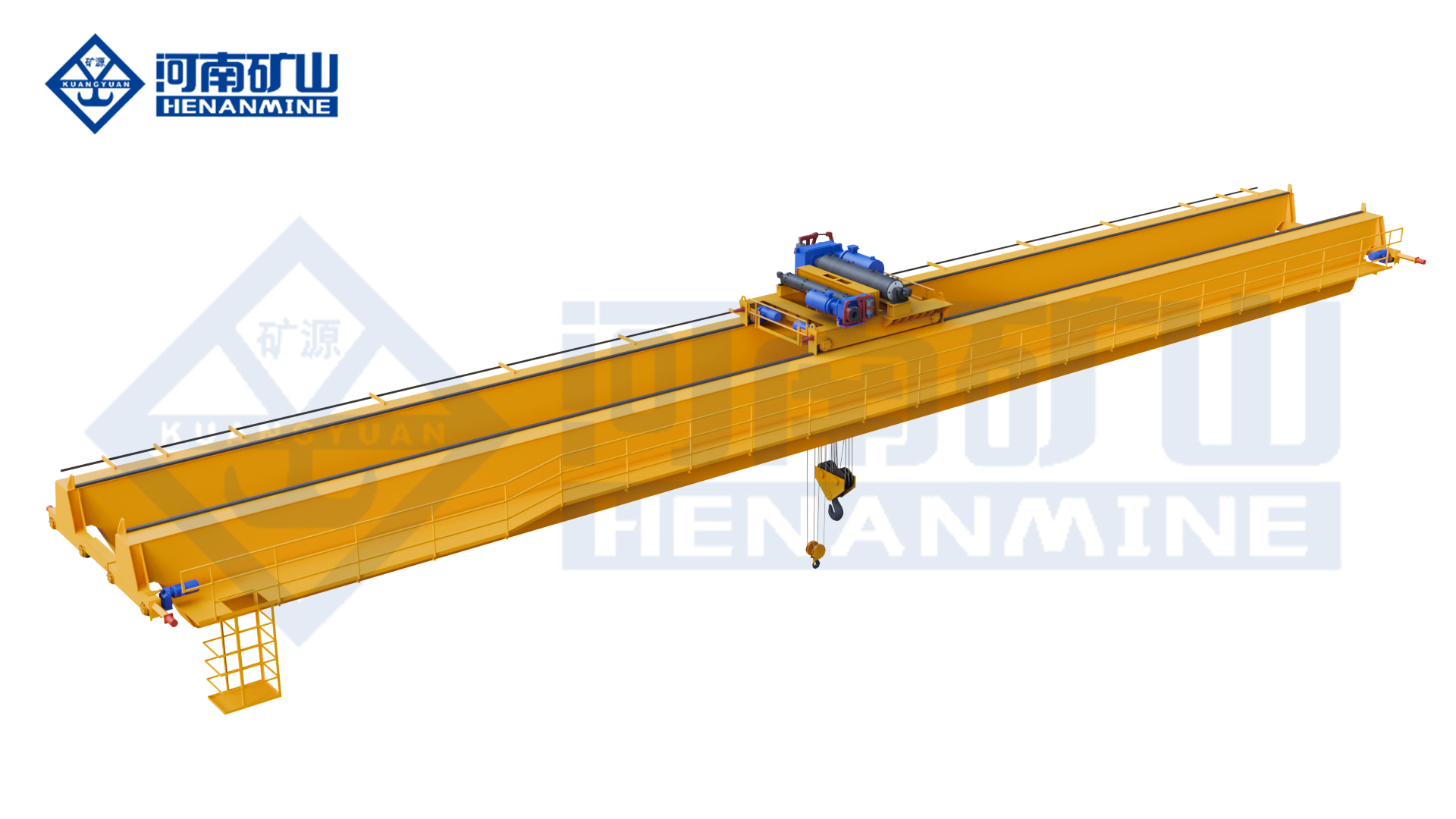
Explosion-Proof Bridge Crane
Use a QB bridge crane for lifting in a declared explosive-gas environment. Select the load rating, main and auxiliary arrangement, electrical protection and control mode for the project.
Define the total suspended load, duty and site conditions for your project.
Technical specifications
Check the load.
Plan the configuration.
Parameters and equipment options are matched to the application and confirmed in the technical proposal.
Discuss your configuration| Model | QB |
|---|---|
| Lifting weight(t) | 5–50/10 t |
| Span (m) | 10.5~31.5 |
| Lifting height (m) | 1~16 |
| Working class | A4 ~ A6 |
| Hazardous-area configuration | Matched to the declared area classification, material group and temperature requirements |
| Lifting speed (m/min) | 3.7 |
| Trolley speed (m/min) | 9.3 |
| Crane moving speed (m/min) | 12 |
| Recommended rails | P43 |
| power | 380V 50Hz 3Ph |
Final parameters, dimensions, wheel loads and supply scope follow the approved project specification.
Application & operation
Matched to the handling task.
Hazardous production bays
Transfer loads within the declared classified working area.
Equipment maintenance
Coordinate hook coverage and operating access around process equipment.
Selection considerations
Start with your operating conditions.
Load & lifting arrangement
Specify main and auxiliary lifting tasks and complete suspended loads. Include lifting-appliance weight and the required lifting positions.
Site & available space
Provide runway span, hook height and equipment clearances. Coordinate the installation interfaces with the available site drawings.
Duty & control sequence
Define area classification, temperature requirements and operating duty. Identify the required movements and control interfaces in the enquiry.
Configuration comparison
Compare related lifting arrangements.
| Crane arrangement | Handling configuration |
|---|---|
| Explosion-Proof Bridge Crane | Use a QB bridge crane for lifting in a declared explosive-gas environment. Select the load rating, main and auxiliary arrangement, electrical protection and control mode for the project. |
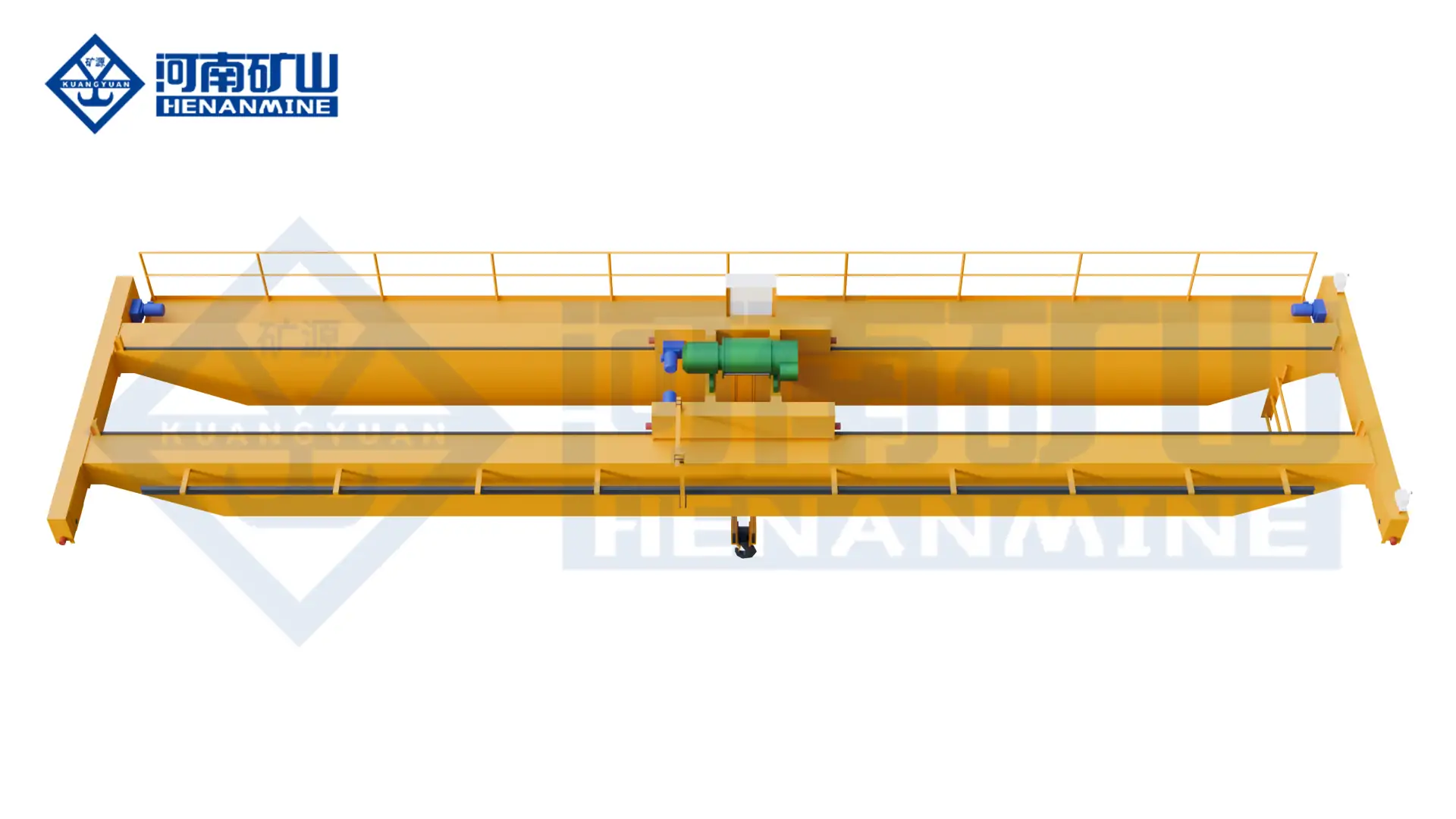
| Explosion Proof Electric Hoist Bridge Crane | Use an electric-hoist bridge arrangement for a declared hazardous area. The hoist, drives, controls and electrical installation are specified for the area classification and lifting duty. |
| Explosion-Proof Suspended Overhead Crane | Provide suspended electric-hoist lifting within a declared hazardous area. Review the overhead support, lifting duty and protection of the hoist, travel drives and controls as one system. |
| Dual Trolley Explosion Proof Bridge Crane | Combine two-trolley handling with the declared hazardous-area specification. Coordinate hook loads, lifting sequence, electrical protection and operator controls for the complete installation. |
Operating protection & lifecycle support
Plan beyond the equipment.
Operating protection
Confirm overload protection, travel limits, brakes, emergency controls and the required process interlocks for the declared lifting task.
Installation & commissioning
Agree runway reactions, structural interfaces, electrical connections, assembly, inspection and commissioning responsibilities before delivery.
Inspection & spares
Plan inspection and maintenance of brakes, protected electrical devices and lifting mechanisms. Agree service access, documentation and the required spare-parts scope.
Questions before the order
Clarify the details
that shape the crane.
What information is needed for a explosion-proof bridge crane quotation?+
Provide main and auxiliary lifting tasks and complete suspended loads; runway span, hook height and equipment clearances; and area classification, temperature requirements and operating duty. Include drawings and the project destination when available.
Do main and auxiliary hooks have the same permitted operation?+
Specify each lifting task and whether combined operation is required. The technical proposal defines the hook ratings, operating combinations and hazardous-area configuration.
What installation and support scope should be agreed?+
Agree runway reactions, structural interfaces, electrical connections, assembly, inspection and commissioning responsibilities before delivery. Specify the documentation, training and spare-parts support needed for the project.
Related equipment
Explore the alternatives.
Overhead Cranes
Explosion Proof Electric Hoist Bridge Crane
Use an electric-hoist bridge arrangement for a declared hazardous area. The hoist, drives, controls and electrical installation are specified for the area classification and lifting duty.
View configuration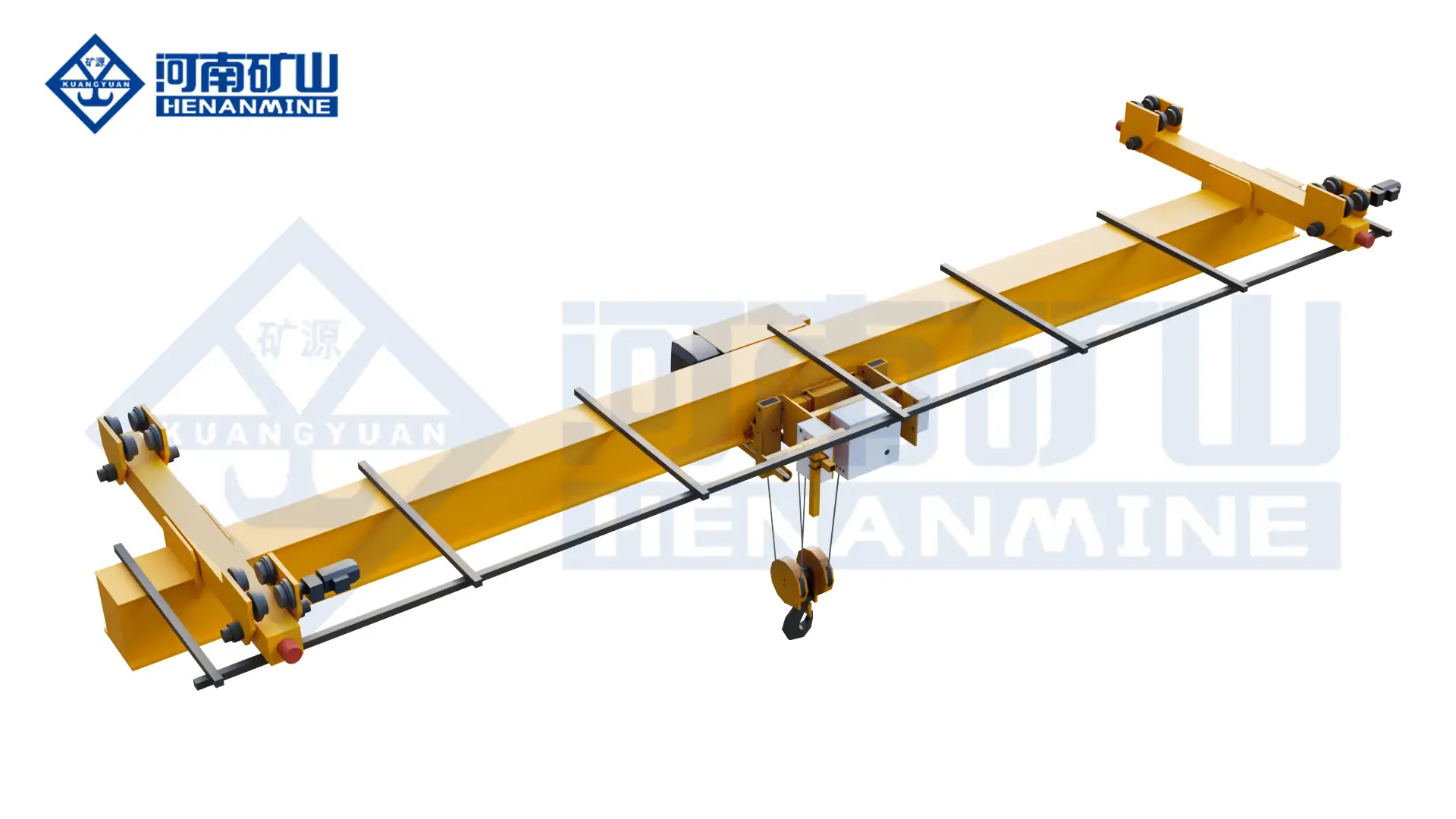
Overhead Cranes
Explosion-Proof Suspended Overhead Crane
Provide suspended electric-hoist lifting within a declared hazardous area. Review the overhead support, lifting duty and protection of the hoist, travel drives and controls as one system.
View configuration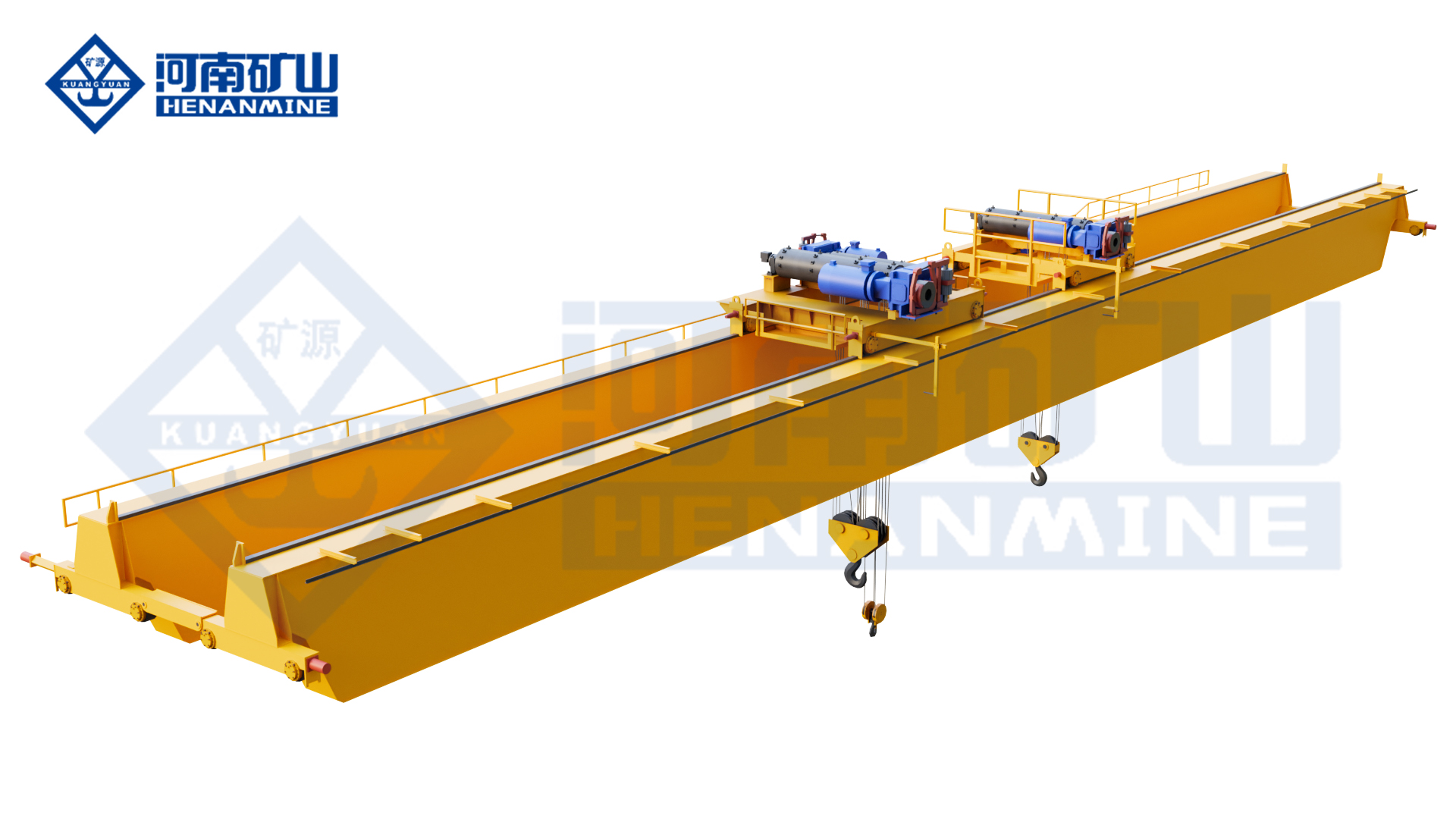
Overhead Cranes
Dual Trolley Explosion Proof Bridge Crane
Combine two-trolley handling with the declared hazardous-area specification. Coordinate hook loads, lifting sequence, electrical protection and operator controls for the complete installation.
View configurationLet’s discuss your project
The right crane starts
with your lifting task.
Share main and auxiliary lifting tasks and complete suspended loads, together with your site layout and operating cycle.