
Products & Technology
18 Crane Units for a CRRC Clean Energy Project
Henan Mine Crane manufactured 18 variable-frequency cranes for a CRRC clean energy base. Here is what that project reveals—and what a buyer still needs to specify before requesting a comparable crane package.
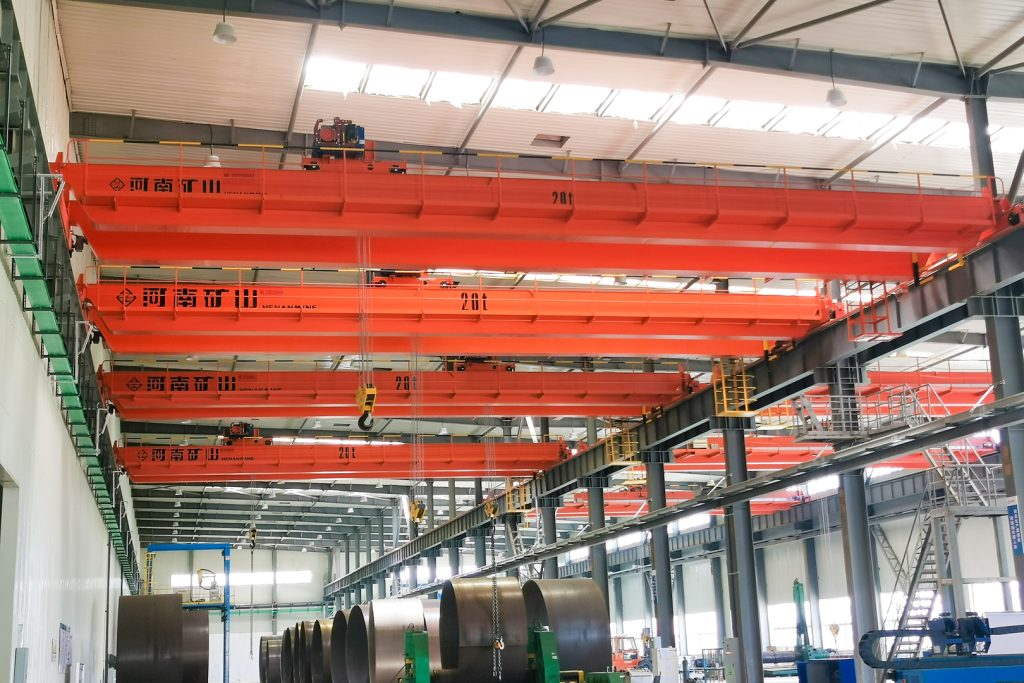
What the 18-unit project establishes
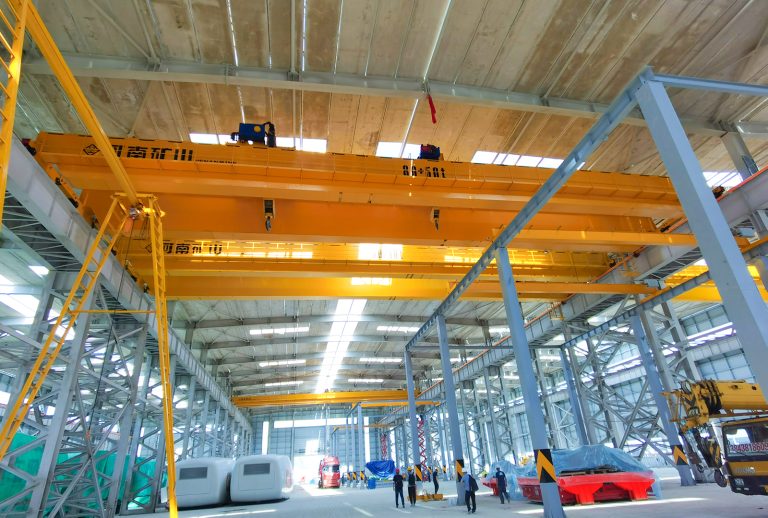
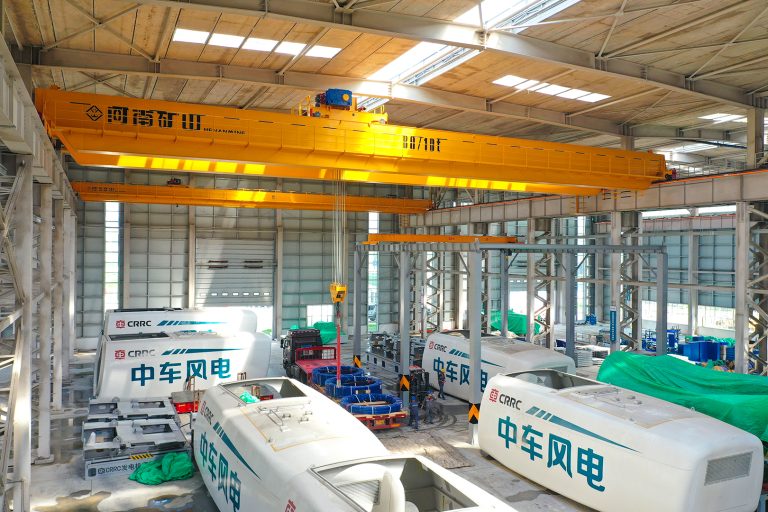
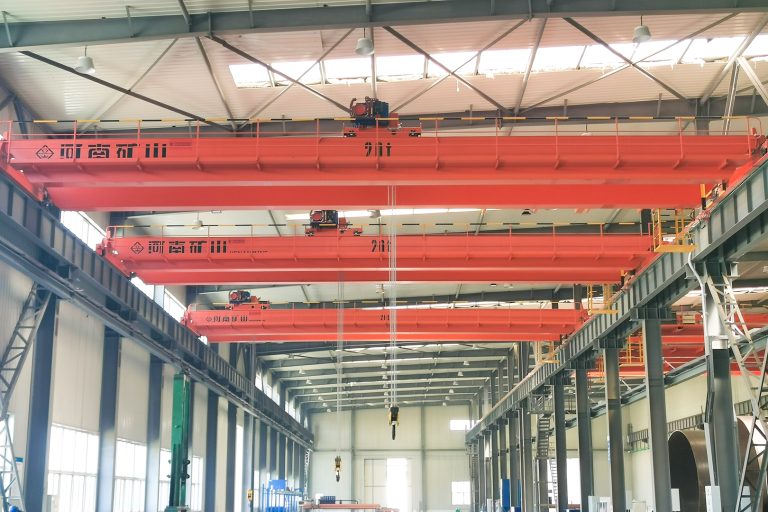
In its 3 August 2022 report, Henan Mine Crane said it had manufactured 18 crane units for a CRRC clean energy base. The report identifies variable-frequency control across the batch and describes a modular approach with aviation-plug electrical connections. The project photographs show bridge cranes in industrial buildings, including an area with CRRC wind power equipment. They illustrate the application, but they do not establish the rated capacity, span, duty class or commissioning status of any individual unit.
The original report also mentions a planned wind and solar installed capacity of 5 million kW for the wider project. That figure describes an energy development plan, not crane lifting capacity, electrical power, measured energy savings or a completed generation milestone. Procurement decisions for another plant need a separate equipment schedule and agreed performance criteria.
Where variable-frequency control helps
Variable-frequency drives can control acceleration and deceleration of the hoist, trolley and bridge motions according to the specified design. For buyers handling large or sensitive components, the practical question is how the crane approaches the load and stopping point under the actual lifting cycle. Ask for the proposed motion speeds, speed range, control logic, braking arrangement and operating mode for each axis, including how the crane behaves after a power interruption.
A smoother motion profile can be valuable, but a general claim of energy saving cannot substitute for a measured comparison. If energy performance matters to your tender, define the baseline crane, duty cycle, metering points and test period before asking the supplier to state an expected result. The source report does not publish a percentage saving or a precision tolerance, so neither is asserted here.
Specify the crane around the production task
Start with the heaviest lifted item and include spreader beams, hooks, slings and any other lifting accessories in the total suspended load. Provide the dimensions and centre of gravity of the load, pick-up and set-down positions, target throughput, shift pattern and typical lift frequency. The needed capacity and duty classification follow from that operation; the project’s count of 18 units does not tell another buyer how many cranes are required.
Next, confirm the usable building width, runway length, rail level, hook height, end approaches, column clearances and any obstacles above the handling route. Mark which bays share a runway and whether cranes must work near one another. Define outdoor exposure, temperature, dust, electrical environment and any site-specific protection requirements only where they actually apply. A layout drawing and load-path sketch will make the supplier’s technical proposal more useful than a request for “the same CRRC crane.”
Review modular installation and electrical interfaces
The source describes modular design and aviation-plug connections. A buyer should ask which assemblies are factory-completed, which connections are made on site, and how plugs are identified, protected and tested after installation. Request an interface schedule for the building power supply, cable routing, isolation, earthing, controls and any plant automation signal. Confirm who supplies runway steel, rails, buffers and access platforms, because those responsibilities vary by contract.
For an installation programme, request transport dimensions and weights, lifting and assembly plans, a connection list, wiring diagrams and a commissioning sequence. Discuss access restrictions and shutdown windows with the plant team early. The fact that a system uses plugs does not establish a specific installation duration or eliminate required electrical checks.
Make acceptance evidence part of the RFQ
Ask the supplier to identify the applicable standards and provide approved drawings, material and component records, drive settings, factory test reports and a site test plan. The test plan should specify who witnesses each stage and the acceptance criteria for travel, hoisting, braking, limit devices, electrical protection and load tests as required by the contract and local regulations. Record any defects, corrective action and retest before handover.
For an 18-unit package, assign each crane an equipment number and match its configuration and test documents to the correct bay. Agree spare parts, operator training, maintenance access and the handover document set. The 2022 report does not publish individual capacities, project delivery dates, final acceptance certificates or measured operating results; request those records for the actual equipment being offered rather than treating a news story as a specification.
Request a Crane Package Proposal
Send your load schedule, building layout, runway details, operating duty and control requirements. Henan Mine Crane can prepare a configuration discussion around your own handling task and acceptance criteria.