
Quality & Manufacturing
Crane Batch Passes A-Stage Inspection for Lanzhou Baohang Anode Material Project
A factory inspection of cranes for a negative-electrode material project reviewed traceability records and checked girder geometry, braking and wheel components, and the travelling mechanism. Here is what a procurement team should ask for before releasing a comparable crane batch.
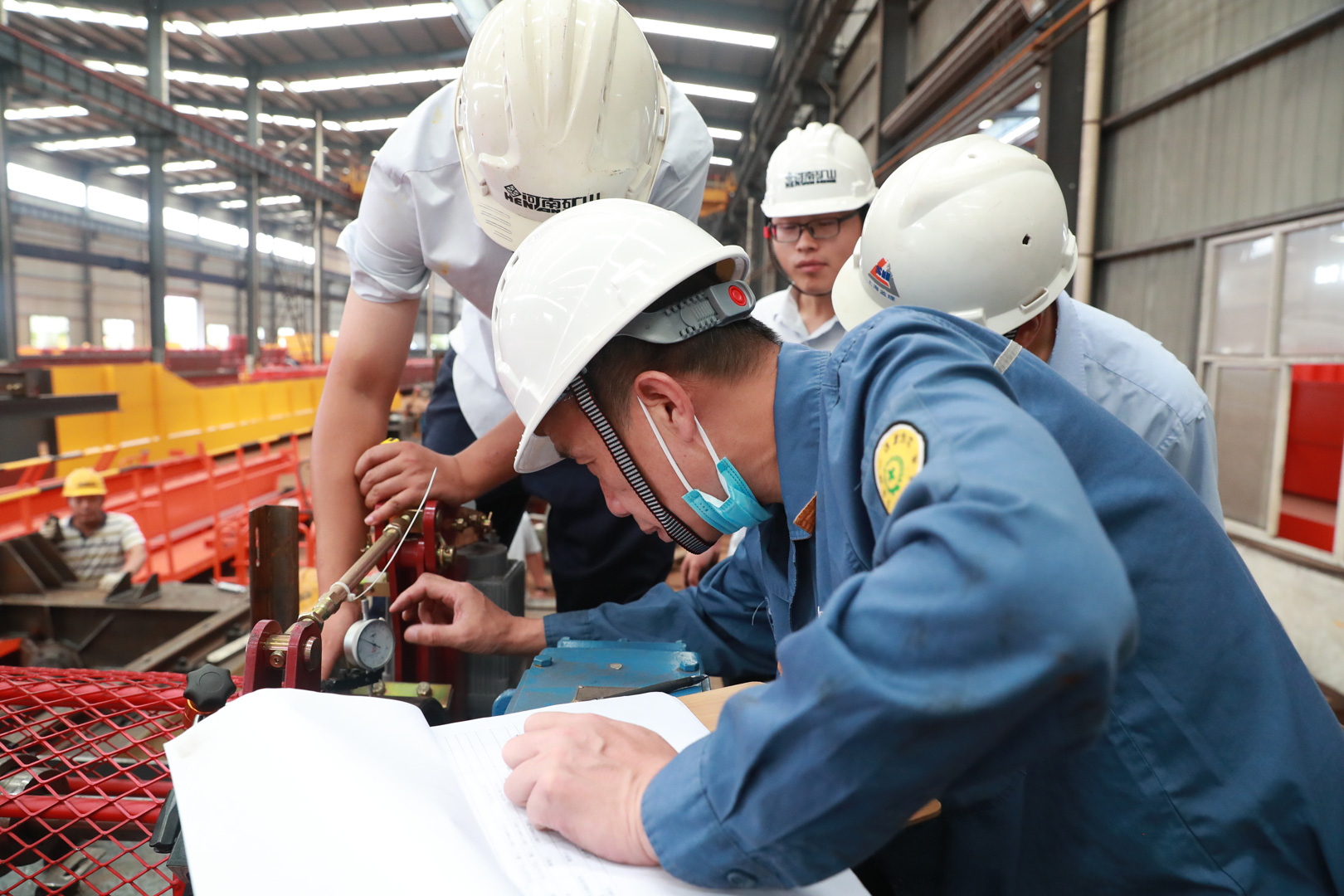
What the A-stage inspection covered
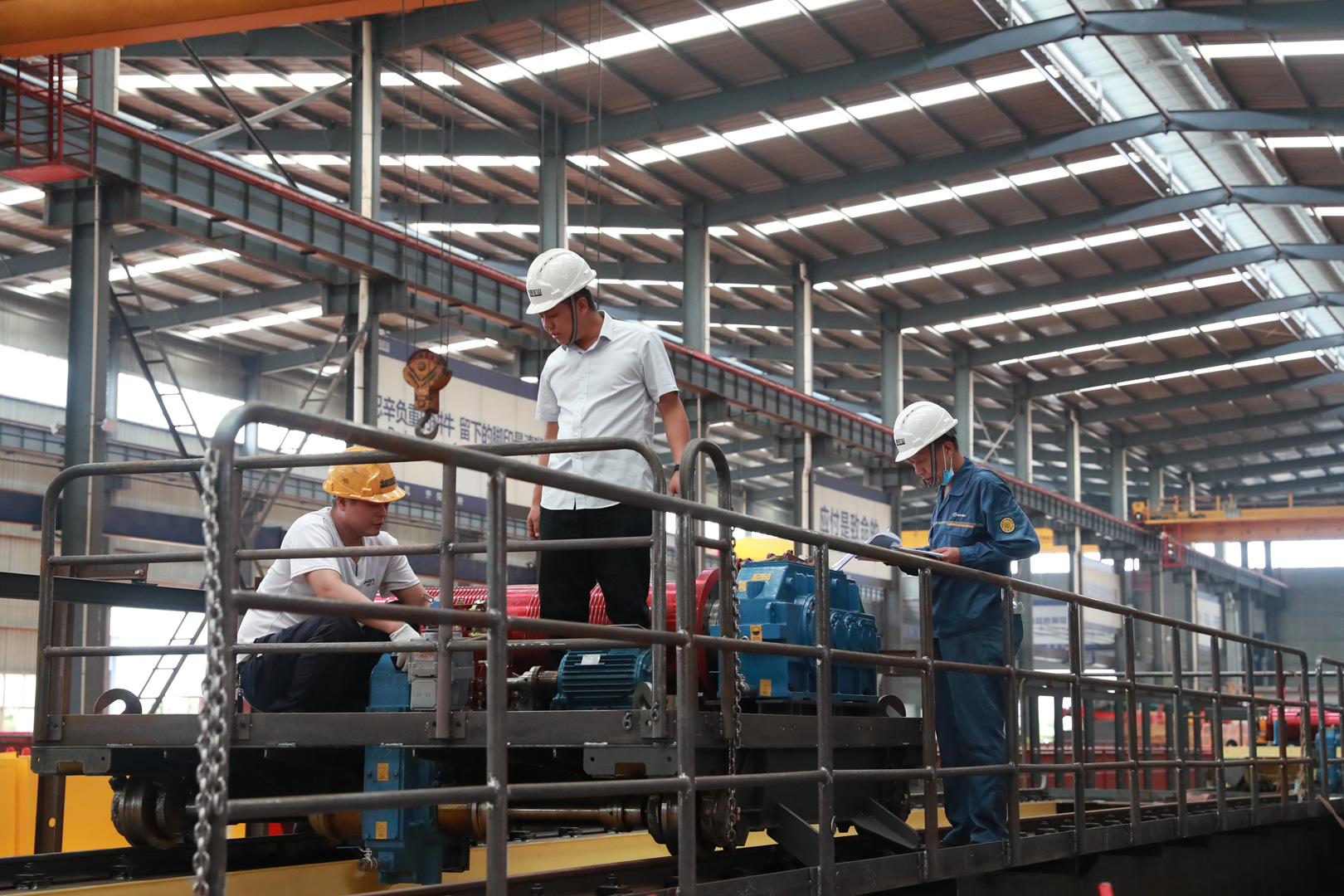
From 8 to 11 August 2022, a batch of cranes manufactured by Henan Mine Crane for the Lanzhou Baohang 100,000-ton negative-electrode material project underwent A-stage inspection. The original project report says Baosteel Consulting and Shanghai Jinyi Testing conducted the inspection and that the batch passed this stage. This is a factory inspection milestone for the crane batch. It should not be read as a statement that installation, site commissioning or the wider materials project had been completed.
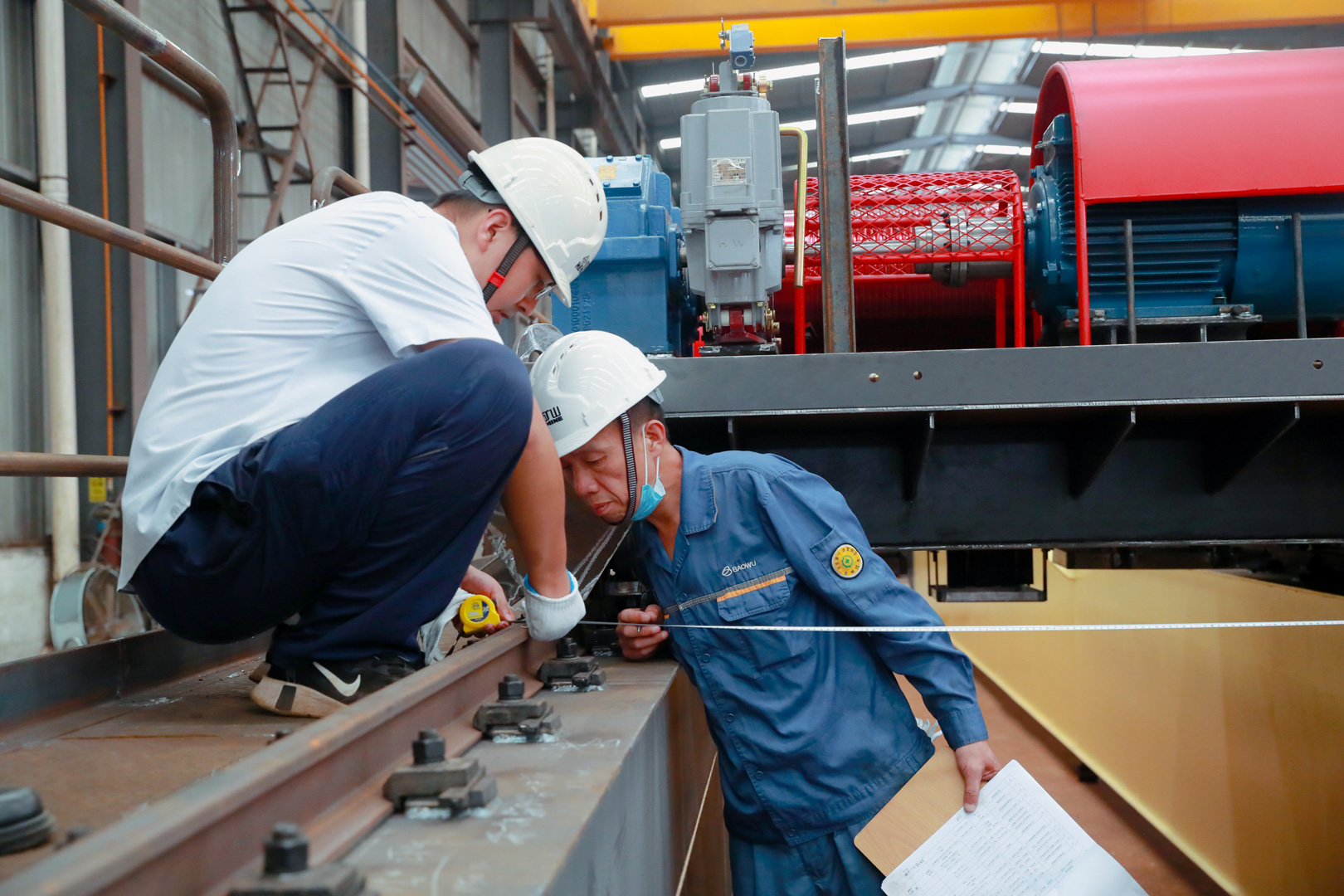
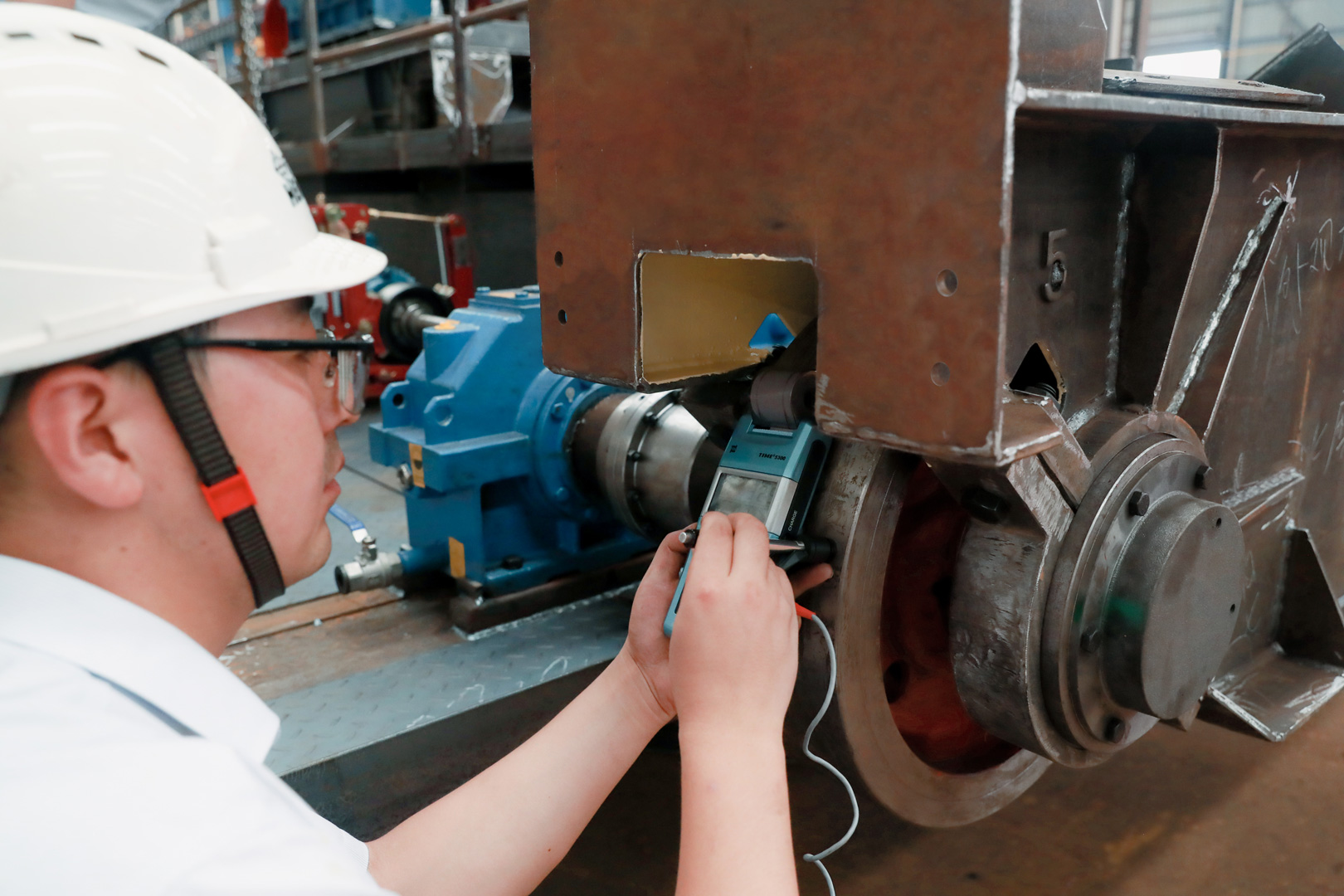
The inspection team reviewed the manufacturer’s self-inspection records, material reports and nondestructive testing reports. Physical checks named in the report include main-girder span, brake-wheel runout, wheel-tread hardness and the crane travelling mechanism. The report describes the checked results as meeting the applicable standards, but does not publish individual measured values or the full acceptance record.

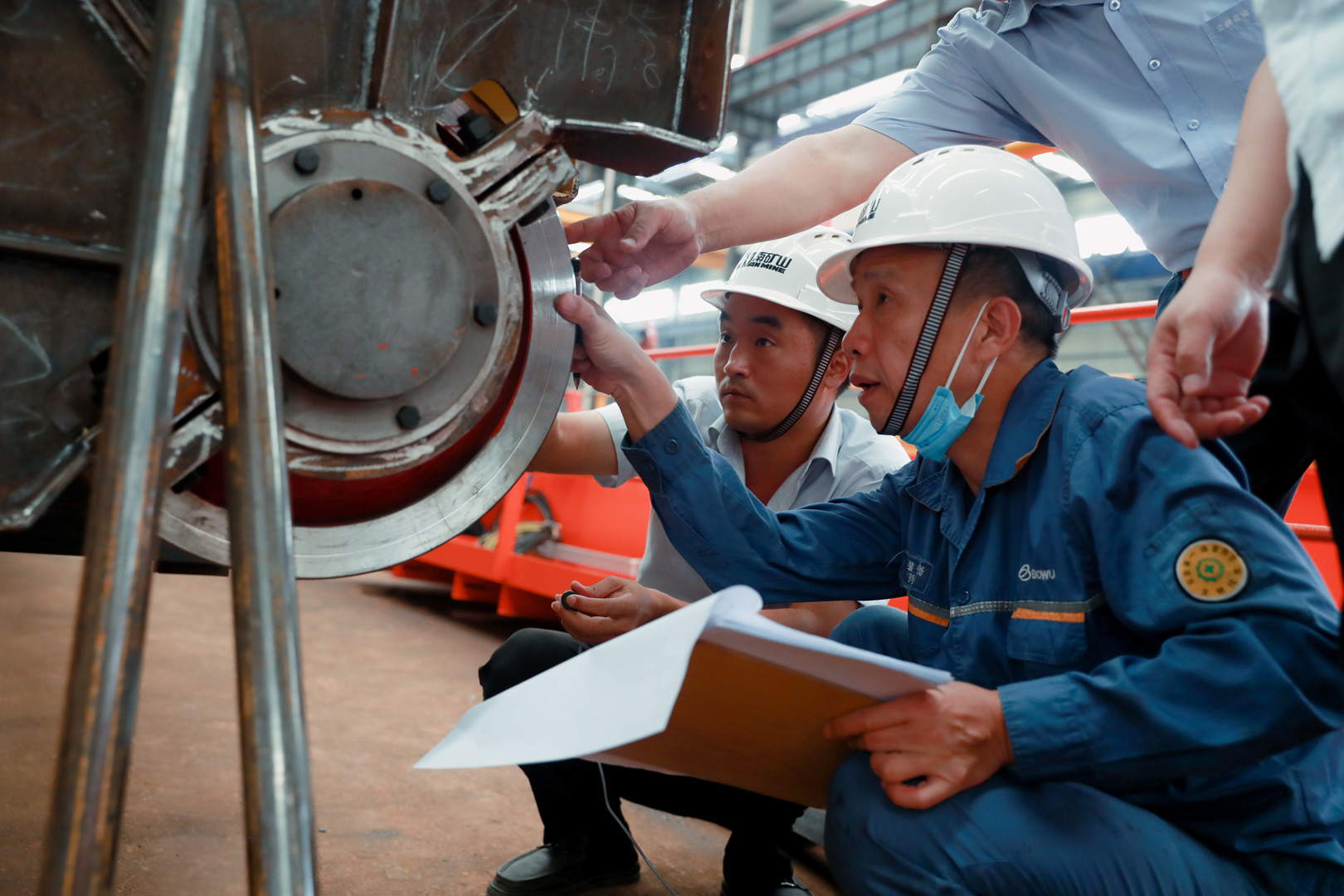

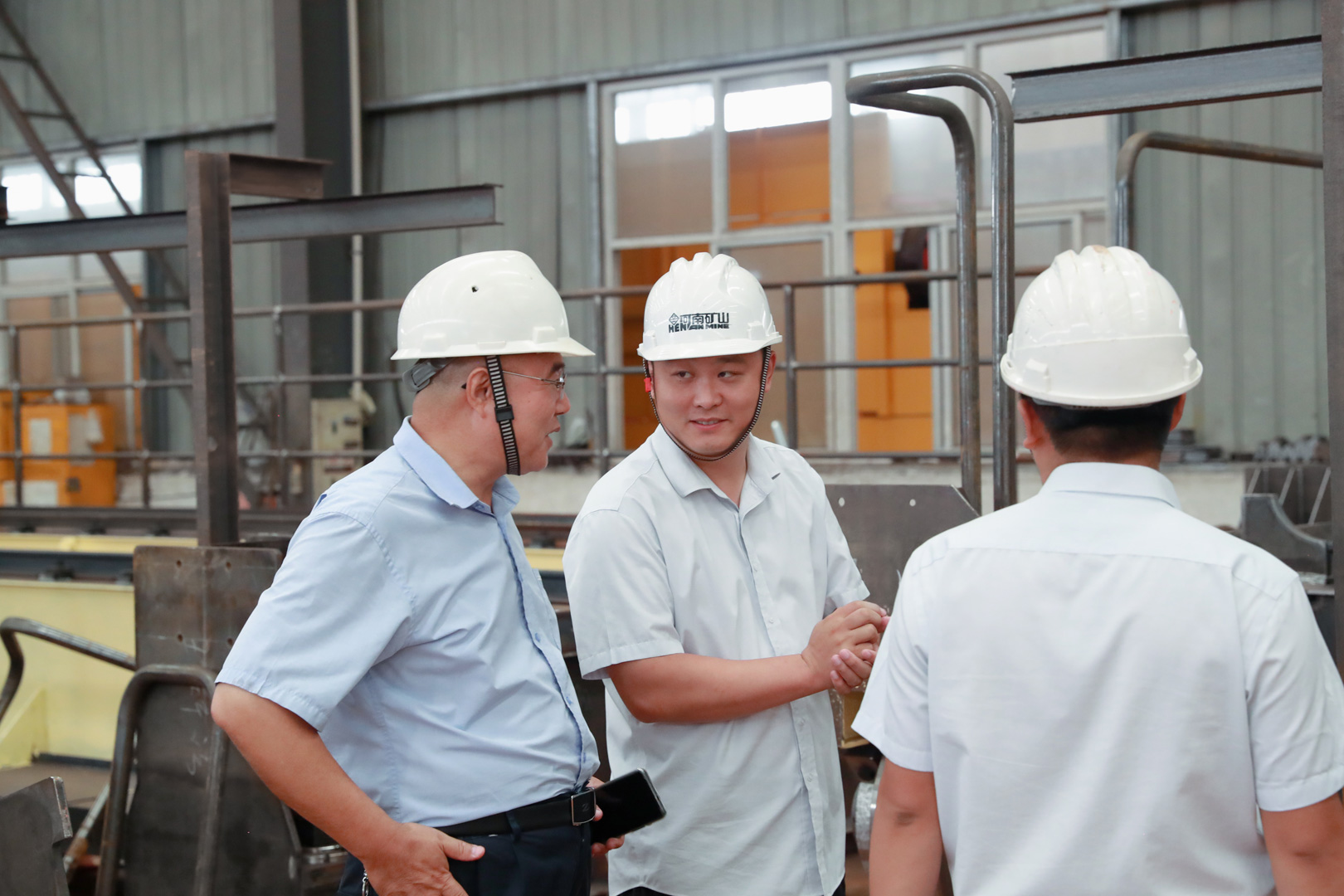
Why these checks matter to a buyer
Span and travel geometry affect how a crane interfaces with its runway. Brake-wheel and wheel-tread checks relate to rotating and rolling components that must function reliably in service. Material and nondestructive testing reports help the buyer trace fabrication and examination of specified parts. These records have value only when they can be matched to the actual equipment, drawings, serial numbers and agreed inspection plan.
For a new materials production facility, define the handling task before choosing the crane. State the heaviest load including lifting accessories, load shape, frequency of lifts, required hook approaches, clear height, runway length and the exact installation environment. Material transfer may also impose dust, temperature, cleaning or electrical requirements, but this project report does not identify such conditions for the inspected cranes. They must be established from the buyer’s site data rather than inferred from the project name.
Set the factory hold points in the purchase order
Ask the supplier to issue an inspection and test plan that names each witness point, the governing specification, the acceptance criteria and the records to be delivered. Identify who attends on behalf of the owner, consultant or third-party inspector; how any nonconformity is logged; who approves a corrective action; and what is required to release the batch for shipment. A statement that a check “passed” is useful, but a signed record with traceable values gives the procurement team a stronger basis for acceptance.
For girder dimensions and travelling gear, request the drawing revision and measurement record that apply to the supplied unit. For material and nondestructive testing, request the scope, method, personnel qualification where specified, results and link to the component. For brake and wheel checks, agree whether the purchase specification requires measured runout, hardness and functional tests, and record the instrument and acceptance limits. The exact tests depend on the contract and applicable local requirements.
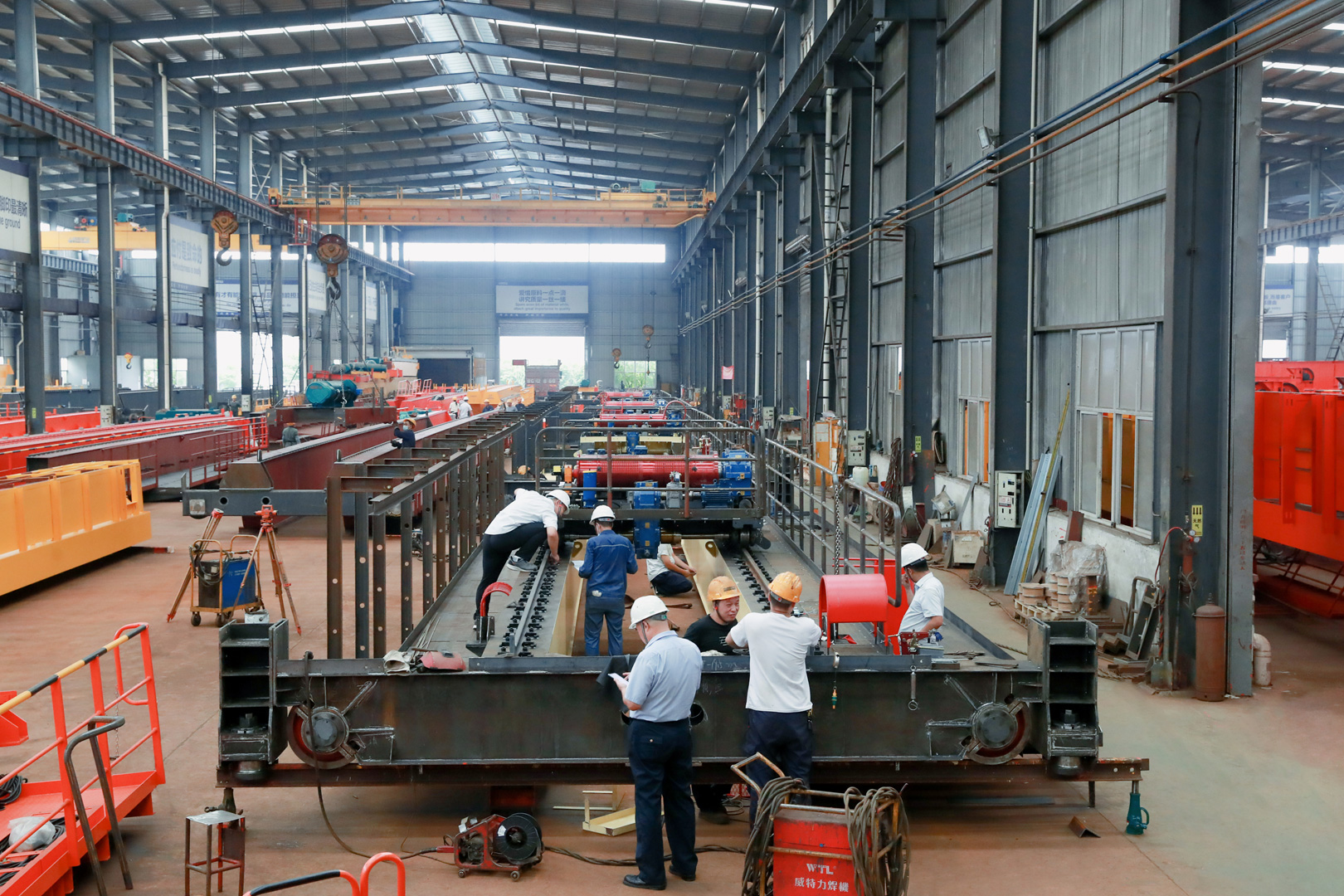
Separate factory release from site acceptance
Factory inspection is one stage in a wider delivery sequence. Before shipment, confirm packing, lifting points, transport dimensions, preserved components and the document package. At the site, the buyer and supplier should agree responsibility for runway condition, power supply, installation, commissioning, load testing, operator training and handover. A factory A-stage result does not replace any of those later checks.
The available report does not state the crane type, lifting capacity, span, duty class, number of units, installation date or final operating performance. We therefore do not use it to promise a particular configuration for another plant. A proposal should be based on the buyer’s load list, facility drawings, process flow and applicable inspection rules.
Plan Your Crane Inspection and RFQ
Send your load list, plant layout, runway dimensions, operating duty and inspection requirements. Henan Mine Crane can discuss a suitable configuration and the factory and site acceptance records to specify.