
Overhead Crane Quote Checklist
What to prepare, which dimensions matter, and how to compare proposals before you order.
In this article
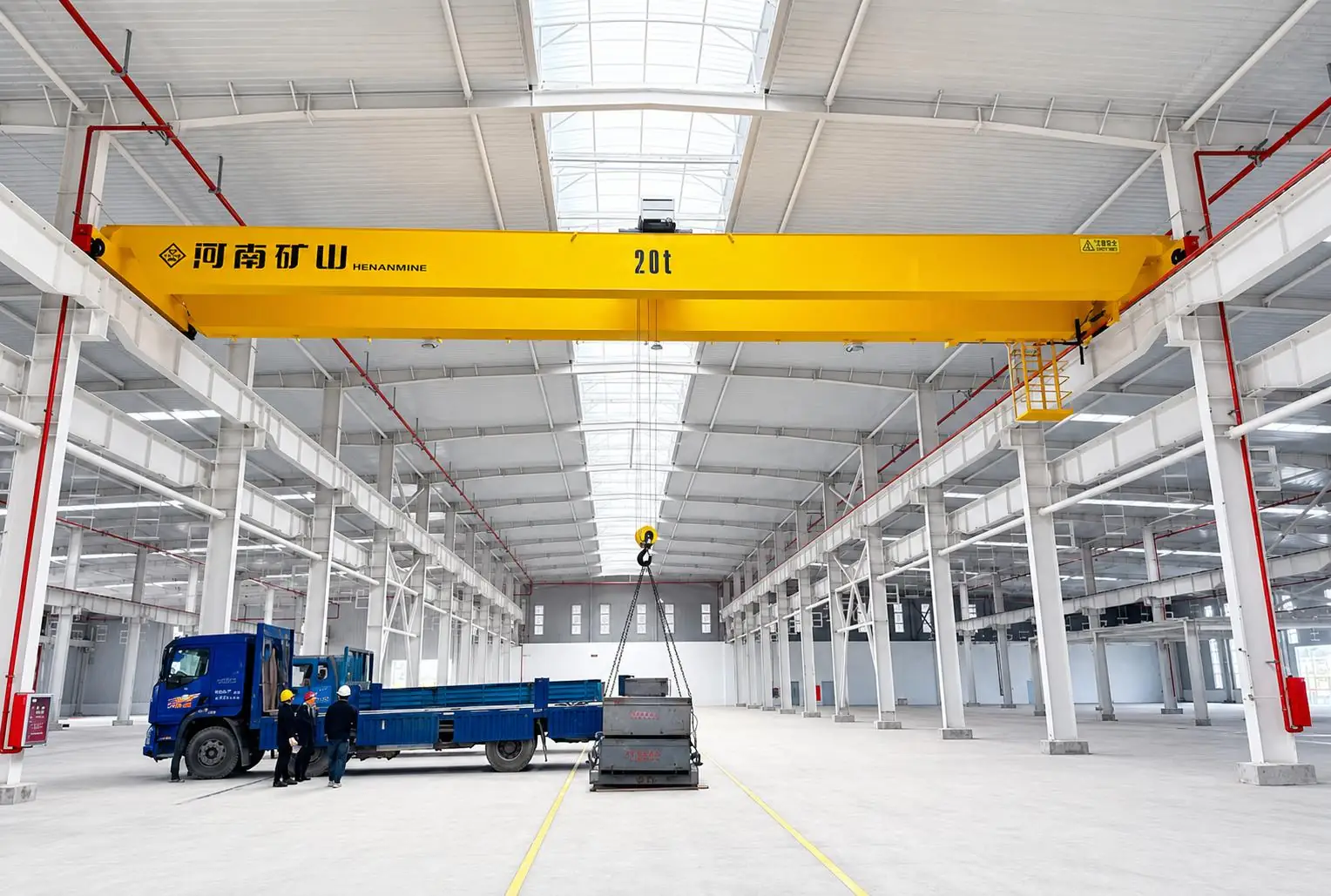
A useful crane quotation describes the lifting task, the building and the operating conditions.
Use this checklist to describe your project and compare what each supplier includes. A clear RFQ helps identify differences in the crane, runway interface, power supply and installation responsibilities.
01The information your quotation needs
You do not need a complete crane design to start a discussion. Share what is known and identify the dimensions or requirements that still need to be checked.
| RFQ item | What to provide |
|---|---|
| Load and attachment | Maximum workpiece weight, normal working load, material dimensions, and the weight of any beam, grab, magnet or other attachment. |
| Span and travel | Distance between the runway rail centre lines, required travel length, bay arrangement and any areas the hook must reach. |
| Lifting height | Required hook travel and working hook positions. Include roof, runway and equipment dimensions that limit available headroom. |
| Operating duty | Working hours, lifts per hour, typical load pattern and travel distances. Describe the actual cycle rather than selecting a duty class by name alone. |
| Site conditions | Indoor or outdoor use, temperature, dust, moisture, corrosion and any process-specific or hazardous-area requirements. |
| Power and controls | Site voltage, frequency and phases; pendant, radio or cabin control; required positioning or process interfaces. |
| Delivery and scope | Project location, target schedule, shipping destination, and the items you expect the supplier to include. |
02Show the workshop and the working cycle
Describe what the crane will lift.
List the workpiece and lifting attachments separately. State whether the material is hot, loose, long, fragile or difficult to grip. Ask the supplier to show how attachment weight and the required payload are treated in the proposed rated capacity.
Share a simple bay drawing.
Mark the runway centres, rail elevation, roof structure, crane travel length and required hook positions. Photos help explain obstructions, adjacent machinery and access restrictions that are difficult to show in a short enquiry.
- For an existing workshop: provide available runway information and identify what needs to be surveyed.
- For a new building: coordinate the crane envelope, wheel loads and building interface before those dimensions are fixed.
- For limited headroom: show the required hook position and the space available above it.
Explain the operating duty.
A maintenance lift, a production-line transfer and continuous steel handling place different demands on the equipment. Describe the work sequence, load pattern, daily operating hours and lifting frequency.
Include the environment around the load as well as the crane. Heat, dust, moisture, outdoor wind exposure and process interfaces can affect the proposed equipment and protection measures.
If you need a magnet, grab or special beam, send material photos, dimensions and the intended handling sequence. These details help define the complete lifting arrangement.
03Compare quotations on the same scope
Ask each supplier to state what is included, what is excluded and which items are options. Compare the technical specification and commercial scope alongside the equipment price.
| Scope item | Clarify in the proposal |
|---|---|
| Crane equipment | Structure, hoist or trolley, travel mechanisms, controls, lifting attachments and the agreed protection functions. |
| Runway interface | Rails, buffers, runway beams, building checks and the party responsible for each item. |
| Power supply | Conductor system, festoon or cable arrangement, feed point, isolator and the site electrical connection. |
| Installation | Assembly, lifting equipment, site labour, electrical work, inspection, commissioning and acceptance responsibilities. |
| Delivery and support | Packing, freight, customs responsibilities, documentation, training, warranty terms and spare-parts scope. |
04When the process changes the specification
Steelmaking requires more than a general workshop RFQ. Describe the load arrangement, heat exposure, working cycle and process interfaces so the proposed equipment can be matched to the operation.
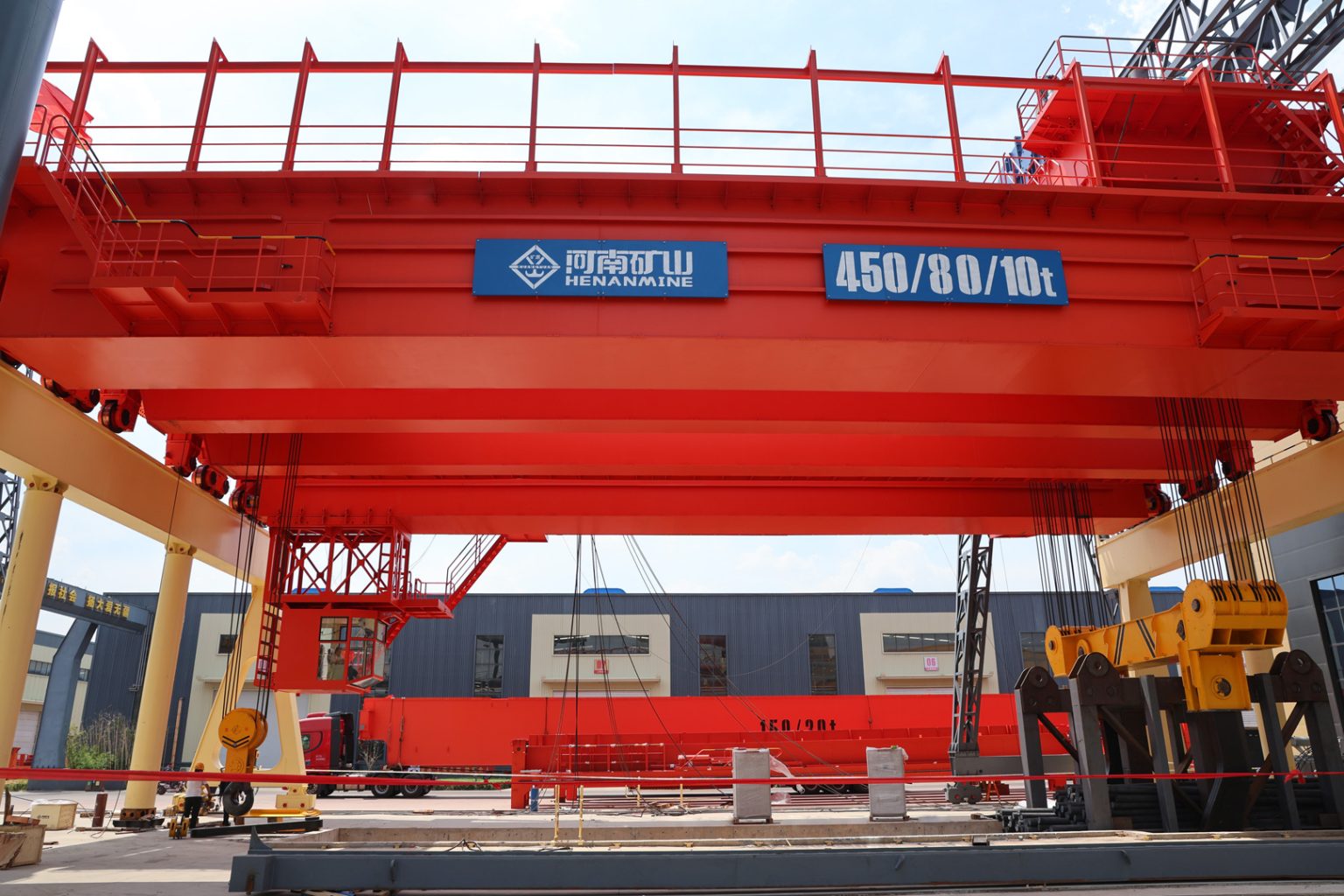
View the project and its application ↗
Send the project details you have.
Start with your lifting task and available dimensions. Identify estimates and add drawings or material photos when available.
- Load and lifting attachment
- Span, height and travel
- Working cycle and site conditions
- Country and supply scope
Use a text checklist for your RFQ
06Common quotation questions
Can I request a quotation without drawings?
Yes. Start with the lifting task, required capacity, approximate dimensions and site photos. Identify which measurements are estimates so the proposal can state what still needs confirmation.
Does a crane quotation include runway beams and rails?
The scope varies by proposal. Ask for a written list covering runway beams, rails, buffers, power supply and installation. Confirm the responsibilities for the building and runway interface separately.
Should I include the lifting attachment weight?
Provide both the workpiece weight and the weight of any beam, magnet, grab or other attachment. Ask how the complete suspended load is reflected in the crane and lifting appliance specification.
How can I compare quotations from different suppliers?
Use the same RFQ, then compare capacity, geometry, working duty, lifting attachment, controls, supply scope, delivery terms and site responsibilities. Resolve differences before comparing the final price.
Explore overhead crane configurations.
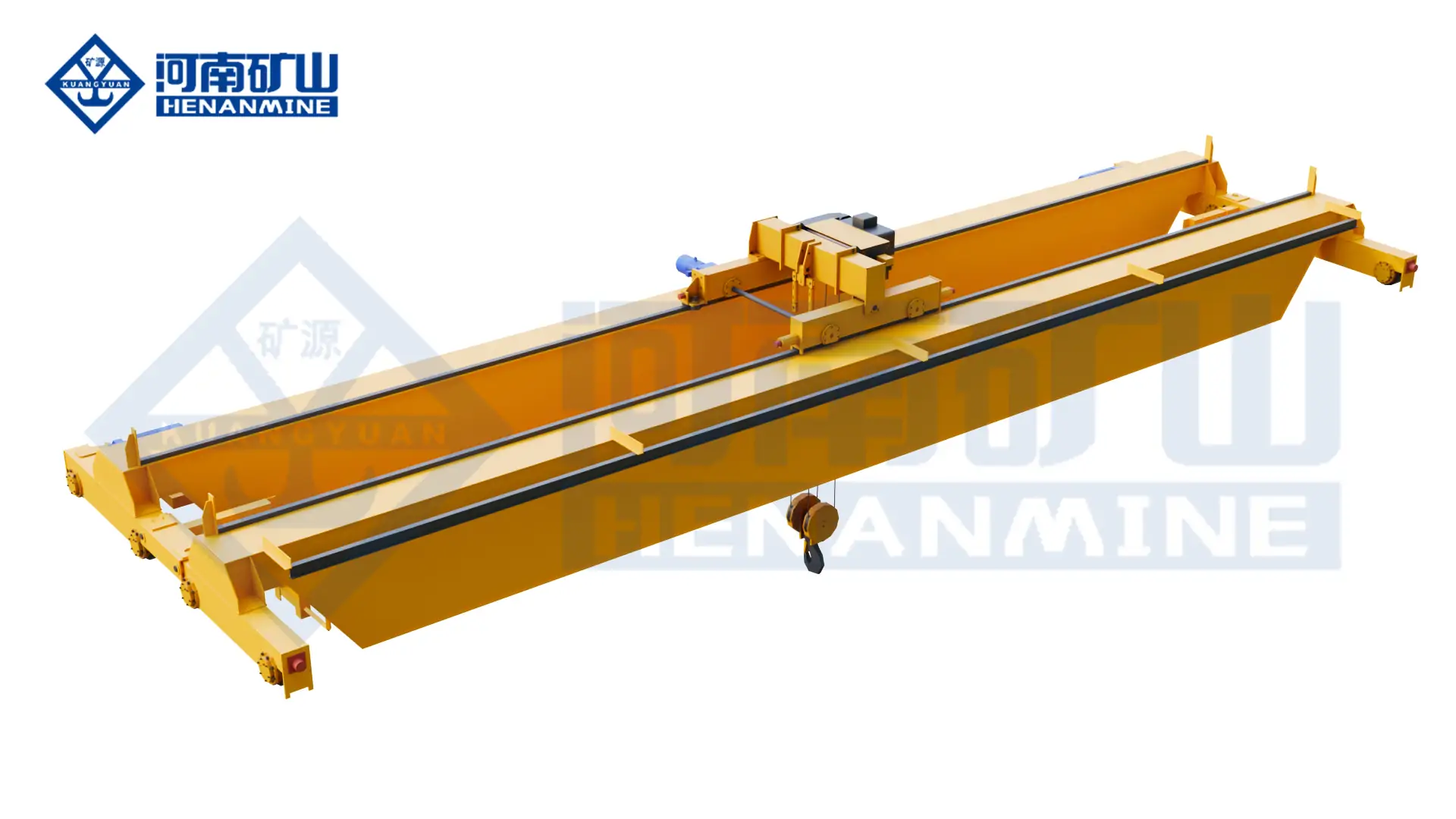
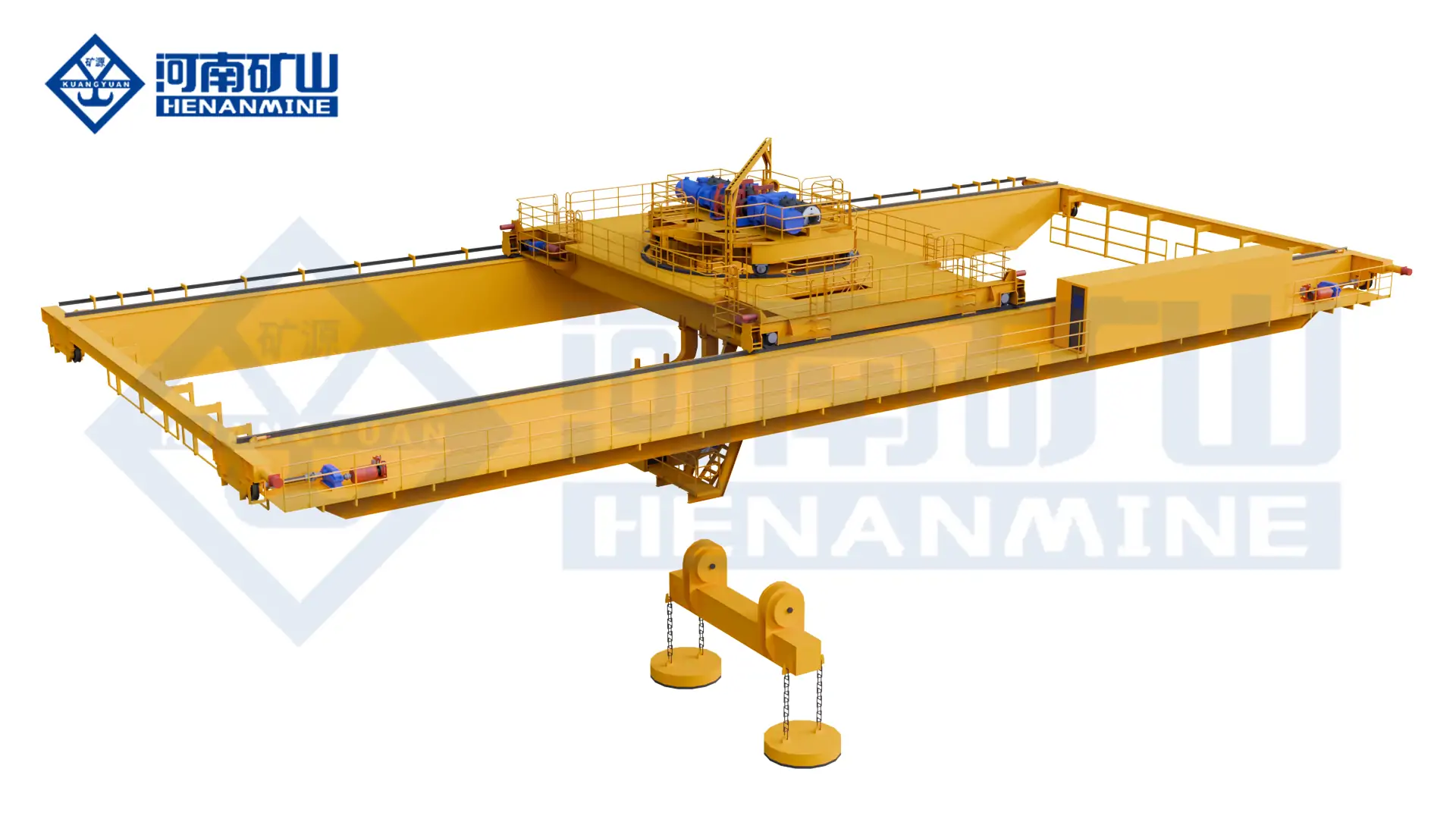
Also explore: single-girder overhead cranes ↗
Have a lifting project in mind?
Share your requirements with Henan Mine Crane.
发表回复