Henan Mine Crane · Engineered Forge-Shop Lifting Systems
Forging Crane Systems
Heavy-duty overhead cranes engineered to lift, transfer, turn and position hot ingots, billets, dies and forged components in open-die forging, press, hammer and heat-treatment facilities.
Henan Mine Crane configures each forging crane from the maximum gross suspended load, workpiece temperature, press or hammer sequence, turning method, impact and load spectrum, cycle frequency, workshop geometry, required positioning performance and local compliance route. Systems can combine main and auxiliary hoists, powered turning devices, tongs or clamps, heat shielding, variable-frequency drives, cameras and production-line coordination.
PRIMARY STRUCTURE
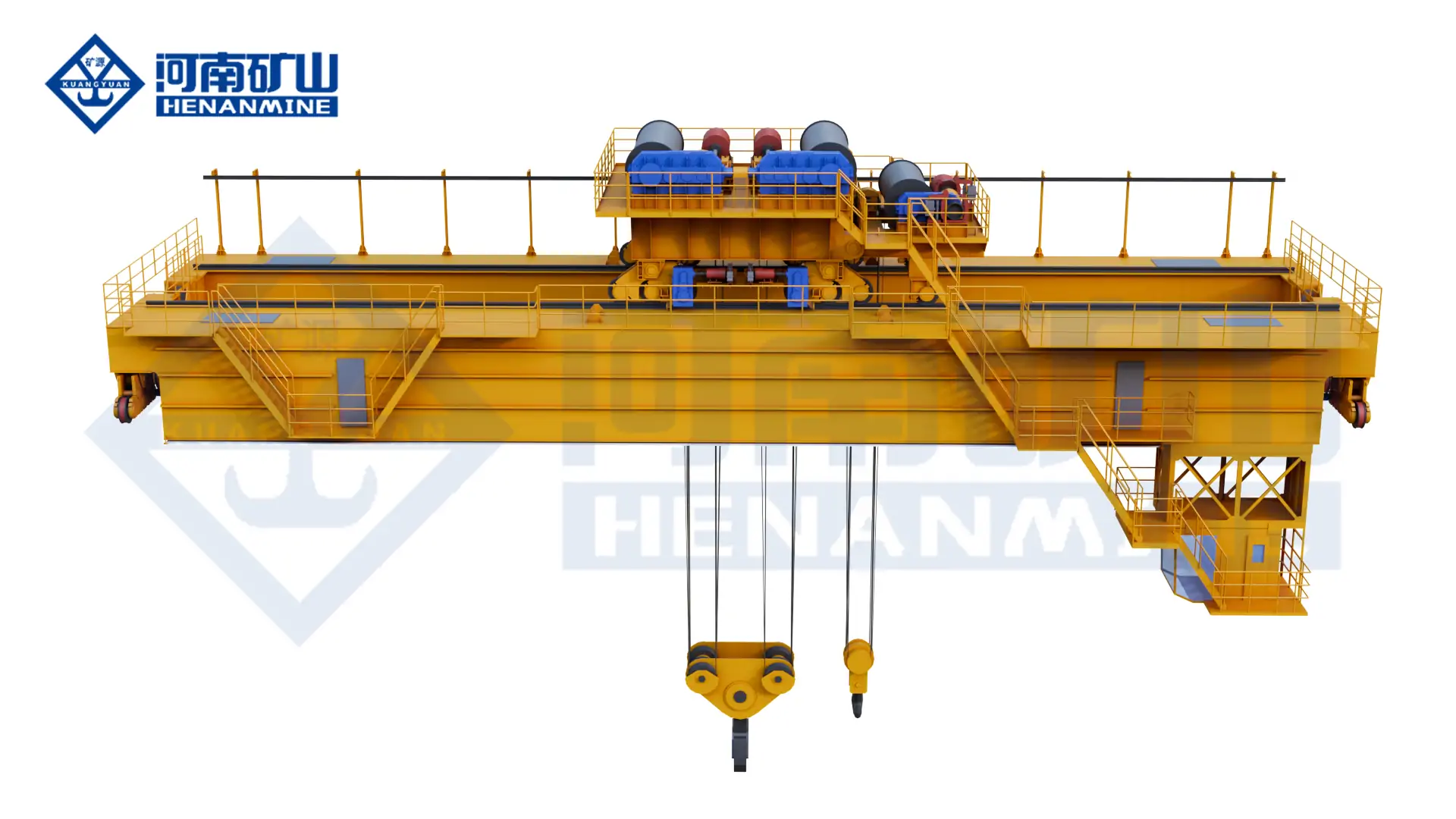
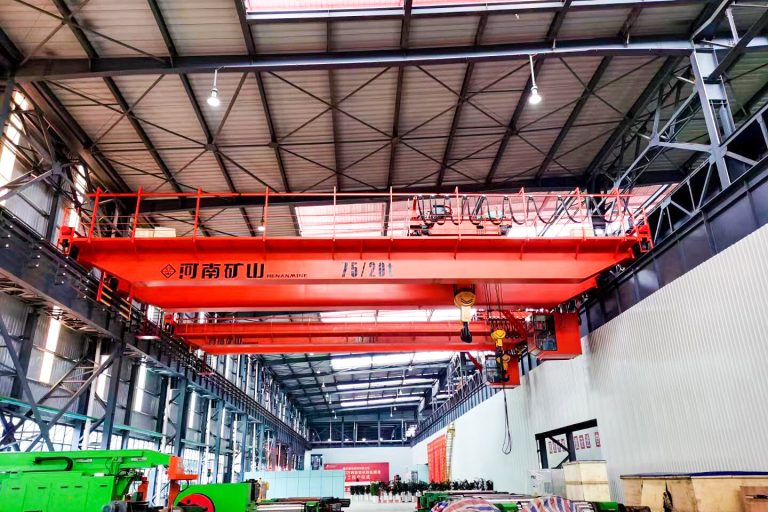
Heavy-Duty Double Girder
PROCESS LOADS
Hot Ingots, Dies & Forgings
HANDLING METHODS
Hooks, Tongs, Clamps & Turners
CONTROL OPTIONS
Cabin, Radio, PLC & Automation
What Is a Forging Crane?
A forging crane, also called a forge-shop crane or forging overhead crane, is a process crane built for the thermal, mechanical and production demands of a forging facility. It moves hot or cold stock between furnaces, presses, hammers, manipulators, inspection stations, heat-treatment equipment and storage positions. A specialized system can also rotate or reposition a workpiece during the forging sequence.
The term covers two substantially different duties. A forge-shop handling crane transfers ingots, dies, tooling and finished forgings between stations. A press-coordinated forging crane participates directly in open-die forging by supporting and turning a heavy workpiece in coordination with the press or manipulator. The second duty normally requires higher working intensity, controlled load buffering, purpose-designed turning equipment and a control philosophy matched to the production sequence.
A forging crane is not automatically a foundry crane. Foundry or casting cranes are designed for ladles and molten metal; quenching cranes are designed for rapid immersion into a treatment bath. Either may be required elsewhere in the same plant, but each process must be specified separately. Henan Mine Crane develops the forging system from the declared solid-workpiece duty and integrates relevant features from its metallurgical bridge crane and double-girder bridge crane platforms.
Forging Crane Applications
Open-Die Forging Press
Support, rotate and reposition large ingots or forgings through repeated press strokes using approved hooks, tongs or a powered turning device.
Forging Hammer Bay
Transfer heated stock, dies and tooling while accounting for shock, vibration, scale and restricted approach around the hammer foundation.
Furnace Charging and Extraction
Move ingots or billets to and from heating furnaces with attachment clearance, radiant-heat protection and a controlled pickup orientation.
Die and Tool Handling
Change upper and lower dies, anvils, saddles and press tooling with the hook approach, creep speed and maintenance access required by the equipment layout.
Heat Treatment and Cooling
Transfer forged parts to normalizing, annealing, cooling or inspection positions; rapid immersion requires a separately defined quenching-crane function.
Machining and Dispatch
Move cooled forgings between cleaning, inspection, machining, weighing, storage and shipment when one crane serves the downstream production route.
Components and Operating Principle
- Bridge and end carriages: carry the process trolley and distribute vertical, transverse and longitudinal reactions to the runway.
- Main hoist: supports the maximum forging, ingot, die or suspended turning assembly and provides controlled lifting under the declared duty.
- Auxiliary hoist: supports turning, tailing, tool handling or secondary positioning when the approved operation requires two lifting points.
- Below-hook device: may be a hook rig, tong, clamp, spreader, chain-turning assembly or powered turning unit designed for the workpiece.
- Drives and controls: coordinate hoisting, trolley travel, bridge travel, creep speeds, interlocks, monitoring and optional press-line communication.
- Thermal and environmental protection: shields structures, ropes, cables, motors, brakes, panels, sensors and the operator station from the declared exposure.

Rated-load basis: the crane rating starts with the maximum gross suspended load. This includes the heaviest workpiece, tongs or turning device, spreader, rigging, hook blocks and every other suspended component. The forging mass alone is not the required crane capacity.
Forging Crane Selection Considerations
Selection begins with the forging sequence and complete load spectrum. Nominal tonnage alone cannot define the structure, mechanisms, attachment or safety architecture.
Load Matrix
Minimum, typical and maximum mass; workpiece dimensions; center-of-gravity range; dies and tooling; attachment mass; single- or dual-point lifting; off-center cases.
Forging Sequence
Furnace pickup, press or hammer approach, rotation angle, number of turns, hold time, transfer path, handover to manipulator and downstream placement.
Temperature and Environment
Workpiece and furnace temperatures, radiant-heat intensity and duration, ambient range, scale, dust, smoke, oil mist, water spray, vibration and corrosive exposure.
Duty and Dynamics
Cycles per hour, starts and reversals, shifts, annual hours, load spectrum, press interaction, permitted shock, required buffering and production consequence of downtime.
Building and Equipment Interface
Rail-center span, runway length and elevation, wheel-load limits, headroom, hook approaches, press columns, furnace doors, manipulator envelope and maintenance access.
Control and Acceptance
Cabin or radio control, visibility, cameras, creep speed, positioning tolerance, press/MES signals, fallback modes, proof load, representative-workpiece test and documentation.
Forging Crane Configurations Compared
The configuration follows the actual process function. Equipment from adjacent metallurgical duties should not be substituted without a complete engineering review.
| Configuration | Suitable Duty | Typical Load Handling | Engineering Focus | Selection Boundary |
|---|---|---|---|---|
| Heavy-duty hook forging crane | Ingot, die, tooling and forged-part transfer | Main hook with approved rigging or spreader | Duty, creep speed, heat protection, hook approach and maintenance access | Does not provide controlled turning unless a separate system is included |
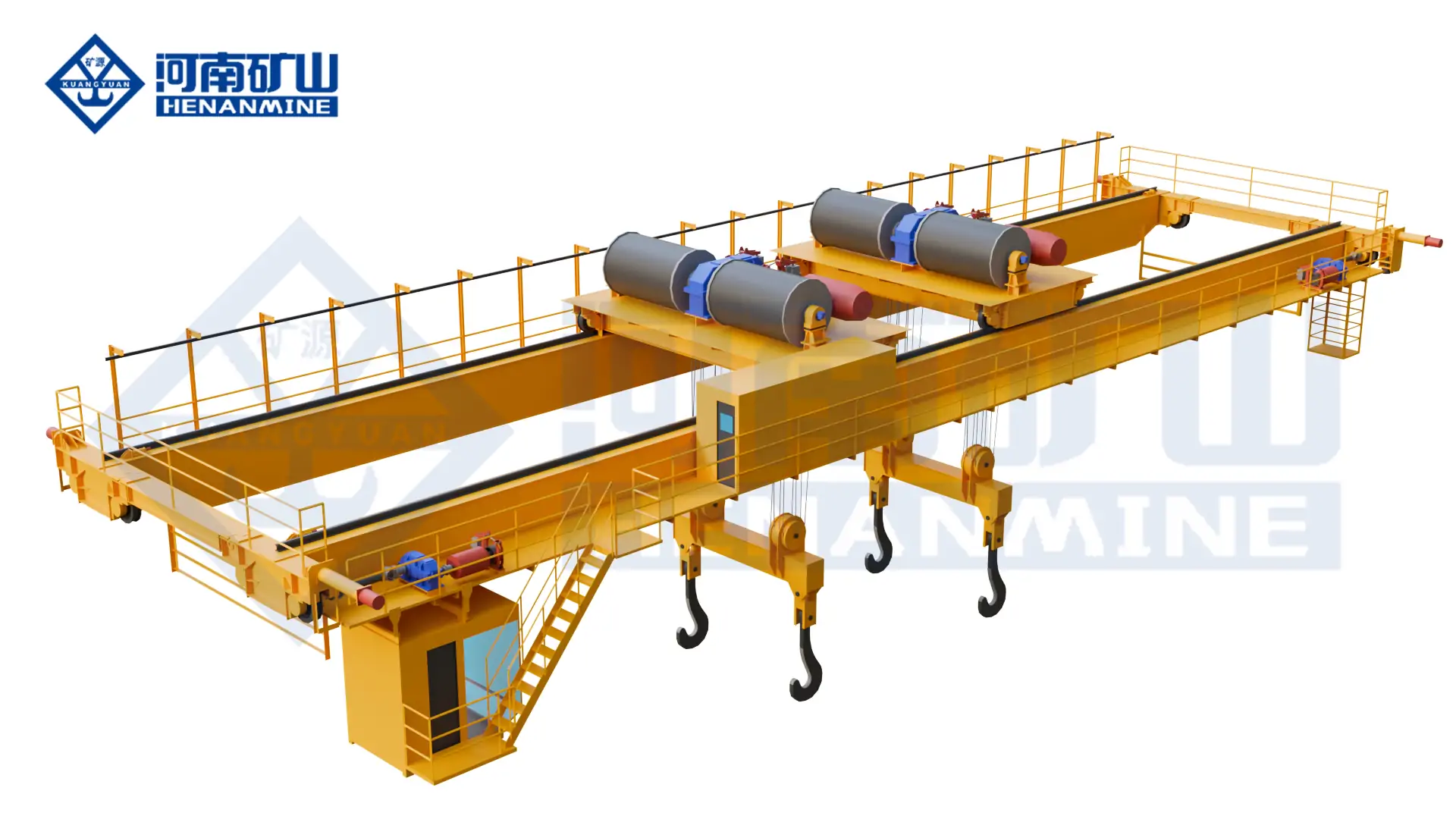
| Main-and-auxiliary hook forging crane | Transfer, tailing and planned load rotation | Two hooks with approved turning rig or attachment | Hook spacing, capacity split, synchronized control, rope fleet angles and permitted load cases | The complete turning procedure must be analyzed; two hooks alone do not make every rotation safe |
| Tong or clamp forging crane | Repeated pickup of defined ingots, billets or forgings | Mechanical, hydraulic or powered gripping attachment | Grip range, surface contact, hot strength, fail-safe state, scale and attachment mass | Requires a controlled workpiece range and representative validation |
| Press-coordinated forging crane | Direct participation in heavy open-die forging | Main hoist plus turning device, tongs or manipulator interface | Load buffering, impact limits, rapid reversals, positioning, communication and production availability | Requires a joint functional specification with the press and manipulator supplier |
| Quenching crane | Rapid, controlled immersion of hot workpieces | Hook, fixture or basket matched to the bath | Fast lowering/lifting, emergency recovery, bath geometry, vapor and splash exposure | A heat-treatment crane, not a substitute for press-coordinated forging |
| Foundry or casting crane | Ladle handling and molten-metal transfer | Gantry hook or ladle lifting attachment | Molten-metal-specific redundancy, thermal protection and regulatory requirements | Required only when molten metal is in scope; it is not the standard crane for solid forgings |
Preliminary Forging Crane Specification Framework
The values below identify the decisions required for a technical proposal. Final parameters are established after the load cases, process sequence and workshop interfaces are approved.
| Parameter | Project Definition | Required Input |
|---|---|---|
| Rated lifting capacity | Selected from maximum gross suspended load and governing load cases | Workpiece, attachment, rigging, hook block and off-center loads |
| Main / auxiliary capacity | Single hoist, main plus auxiliary, or coordinated multi-hoist arrangement | Turning method, capacity split and simultaneous-use cases |
| Structure and trolley | Double-girder process crane; special multi-girder or dual-trolley layout where justified | Capacity, span, wheel loads, headroom, rigidity and access |
| Span and lifting height | Engineered from rail centers, hook travel and process clearance | Workshop section, press/furnace drawings and runway survey |
| Working duty | Calculated under the selected classification system | Load spectrum, cycles, starts, shifts, annual hours and process dynamics |
| Hoisting and travel speeds | Process, transfer and creep speeds with variable-frequency control as required | Cycle time, positioning tolerance, travel distance and load stability |
| Thermal design | Heat shields, protected components, cooling or relocated equipment | Workpiece temperature, radiant flux or distance/time profile and ambient range |
| Control system | Cabin, radio, local station, semi-automatic or integrated automatic control | Visibility, operator location, interfaces, fallback mode and safety zones |
| Power and environment | Matched to destination voltage, frequency, enclosure and protection requirements | Site power, dust, scale, smoke, humidity, altitude and corrosion |
| Compliance route | One coherent contractual design and inspection basis | Destination, local authority, purchaser specification and required certification |
Market envelope: specialized suppliers publicly present dedicated heavy forging cranes in approximately 180–550 t capacities, 24–33 m spans and 17–28 m lifts. Smaller forge-shop handling cranes and larger custom systems also exist. These are market reference ranges, not fixed Henan Mine Crane catalog limits or a substitute for project calculations.
Hot-Workpiece Handling and Turning Engineering
Turning a forging creates load cases that may be more demanding than a straight vertical lift. The center of gravity moves, sling or chain angles change, one hook can temporarily carry a larger share, and the workpiece may contact a saddle, manipulator or die. The approved method must define the load path through every stage.
Main + Auxiliary Hooks
Define simultaneous-use capacity, hook spacing, permitted angles, speed coordination and the maximum reaction on either hoist.
Powered Turning Device
Specify torque, workpiece range, rotation speed, restraint, heat protection, emergency state and attachment-to-crane interface.
Tongs and Clamps
Validate grip range, hot material behavior, contact pressure, surface scale, loss-of-power condition and visual confirmation.
Rigging and Saddles
Confirm temperature rating, bend radius, edge protection, contact geometry, inspection access and storage away from radiant heat.
Process control: no operator should have to improvise the turning sequence. The approved lifting plan, control logic, permissible load cases, communication signals and abnormal-condition recovery are established before commissioning and verified with representative loads.
Heat, Scale, Shock and Environmental Protection
Thermal Mapping
Evaluate workpiece temperature, exposure distance, dwell time and radiant paths at the hooks, trolley, girders, cabin, panels and maintenance platforms.
Protected Hoisting System
Select ropes, drums, sheaves, bearings, lubrication, brakes and cables for the measured environment and shield them from direct heat and scale.
Electrical Protection
Use suitable enclosures, cable routing, cooling or equipment relocation and monitor critical temperatures where the risk assessment requires it.
Shock and Vibration
Define permitted process forces, acceleration limits, buffering and structural fatigue cases; the crane must not be used to absorb undefined press or hammer impacts.
Operator Visibility
Coordinate cabin position, heat-resistant glazing where specified, cameras, lighting, audio communication and safe radio-control locations.
Maintainability
Provide safe access to brakes, ropes, sheaves, drives, panels and attachment points, with guards and shields removable under an isolation procedure.
Manual, Semi-Automatic and Integrated Forging Operation
The control level follows process repeatability, visibility, cycle time, exception rate and the production system’s ability to provide dependable interlocks and workpiece data.
| Control Level | Typical Functions | Suitable Operating Pattern | Definition Required |
|---|---|---|---|
| Manual control | Cabin or radio control, variable speeds, load display, cameras and interlocks | Mixed workpieces, frequent exceptions and operator-led rigging | Sightlines, control location, communications, exclusion zones and permitted motions |
| Semi-automatic | Stored positions, automatic travel profiles or assisted turning with operator authorization | Repeated stations with controlled workpiece families | Coordinates, confirmation logic, permissible sequence and exception recovery |
| Press-line integrated | Signal exchange with press, manipulator, furnace and safety control systems | High-repeatability open-die forging and coordinated production | Signal list, ownership, timing, safe states, independent stops and commissioning protocol |
| Automatic material flow | Task receipt, route control, positioning, status feedback and production-data exchange | Controlled transfer between fixed stations with limited human access | Plant interface, zone control, workpiece identity, cybersecurity and manual fallback |
Design Basis, Inspection and Acceptance
The purchase specification identifies one coherent design route. Local statutory requirements at the installation site remain applicable, and standards from different systems are not selectively combined without an approved compliance matrix.
Possible Design Routes
A project may use ISO 4301 classification principles with applicable crane standards; EN 13001 with EN 15011 and EN 13155 where applicable; or a North American route using CMAA 70 with applicable ASME B30.2, B30.20 and ASME BTH-1 requirements. The contract states the selected basis and local additions.
Engineering Deliverables
General arrangement, load-case schedule, duty calculation, wheel loads, clearance and turning study, attachment data, thermal assessment, electrical drawings, control narrative, interface list, inspection plan and maintenance-access arrangement.
Manufacturing Inspection
Material traceability, welding procedures and welder qualification, specified NDT, dimensional checks, machinery alignment, drum and rope inspection, attachment inspection, electrical-panel tests, coating and document review.
FAT and Site Acceptance
Functional tests verify motions, brakes, limits, overload protection, control modes, alarms and interfaces. Site testing then covers runway, erection, proof load, representative workpieces, turning sequence, power-loss response, positioning, press coordination, training and handover.
| Acceptance Item | Verification | Recorded Evidence |
|---|---|---|
| Rated and governing load cases | Contractual proof/load test and functional motion checks | Test procedure, calibrated instruments and signed results |
| Turning and attachment | Approved representative workpieces across the declared envelope | Workpiece list, sequence, grip/rigging checks and exception record |
| Safety and controls | Limits, overload, stops, interlocks, communication loss and fallback modes | Cause-and-effect record and completed test sheets |
| Handover readiness | Training, spares, manuals, inspection plan and maintenance access | Handover dossier, punch-list closure and acceptance certificate |
Relevant Heavy Metallurgical Crane Experience
Relevant references are evaluated by capacity, thermal exposure, duty, trolley architecture, process control and commissioning complexity. The following published Henan Mine Crane projects demonstrate adjacent engineering capability; a new forging crane still requires its own process and load-case validation.
Ultra-Heavy Metallurgical Reference
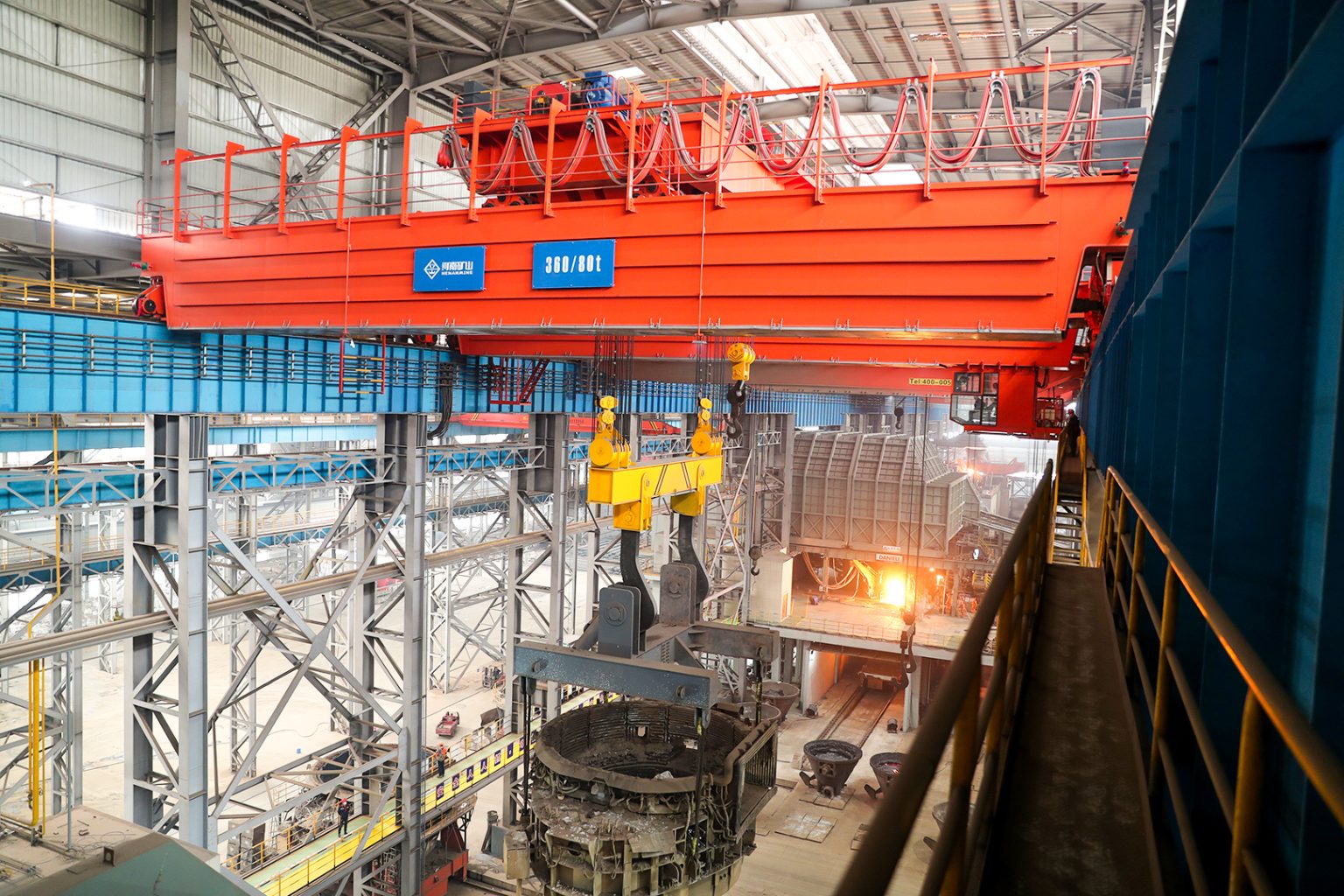
360 t Four-Girder Foundry Crane
The published Jinsheng’an Group project uses a four-girder, four-rail, dual-trolley arrangement for a 360 t foundry duty, with heavy-capacity structure, thermal protection and redundant hoisting functions.
The reference is relevant to ultra-heavy structure, trolley coordination and high-temperature engineering. Its molten-metal duty does not define the attachment, motion sequence or safety architecture of a forging crane.
High-Temperature Production Reference
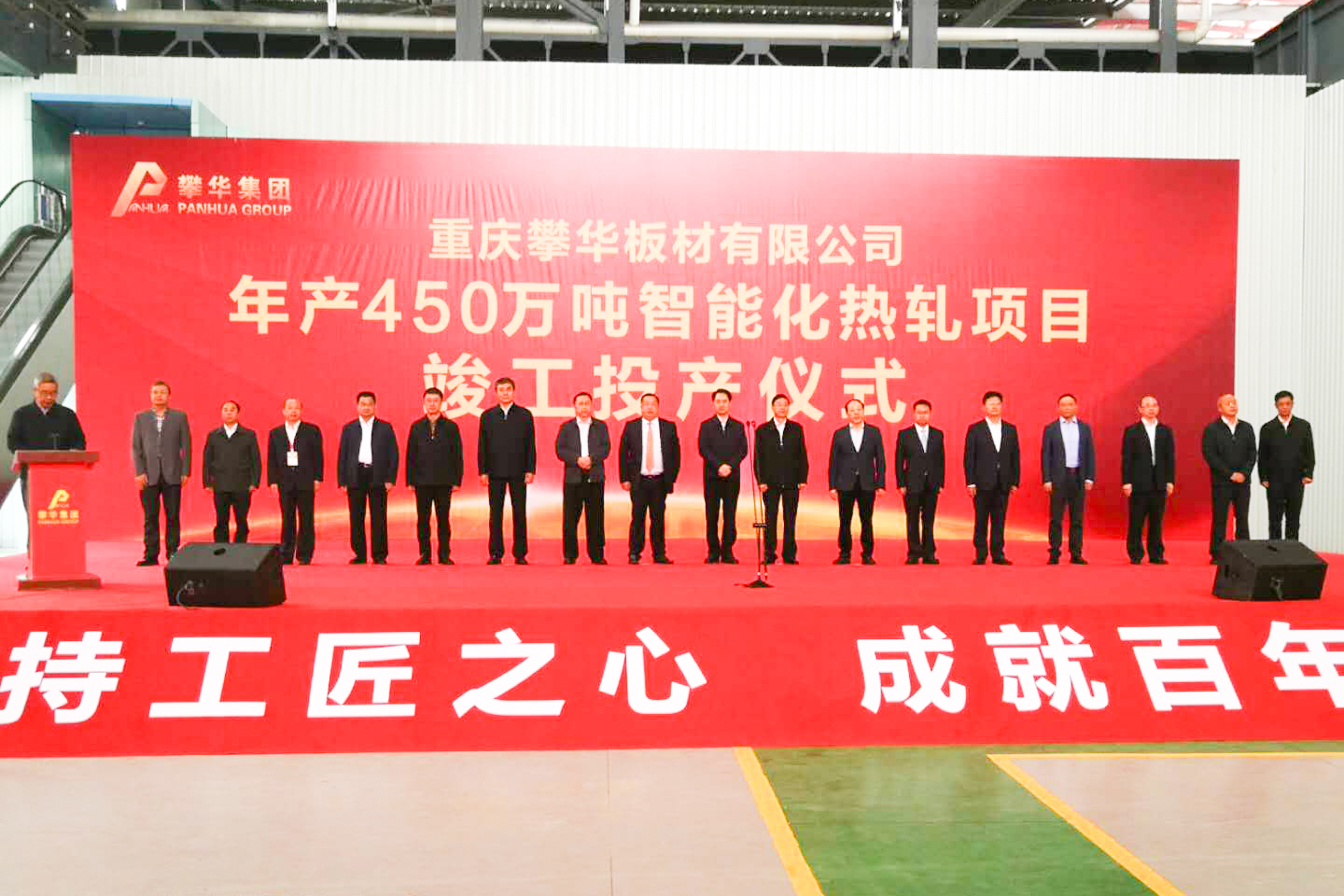
Hot-Rolled Steel Plant Bridge Cranes
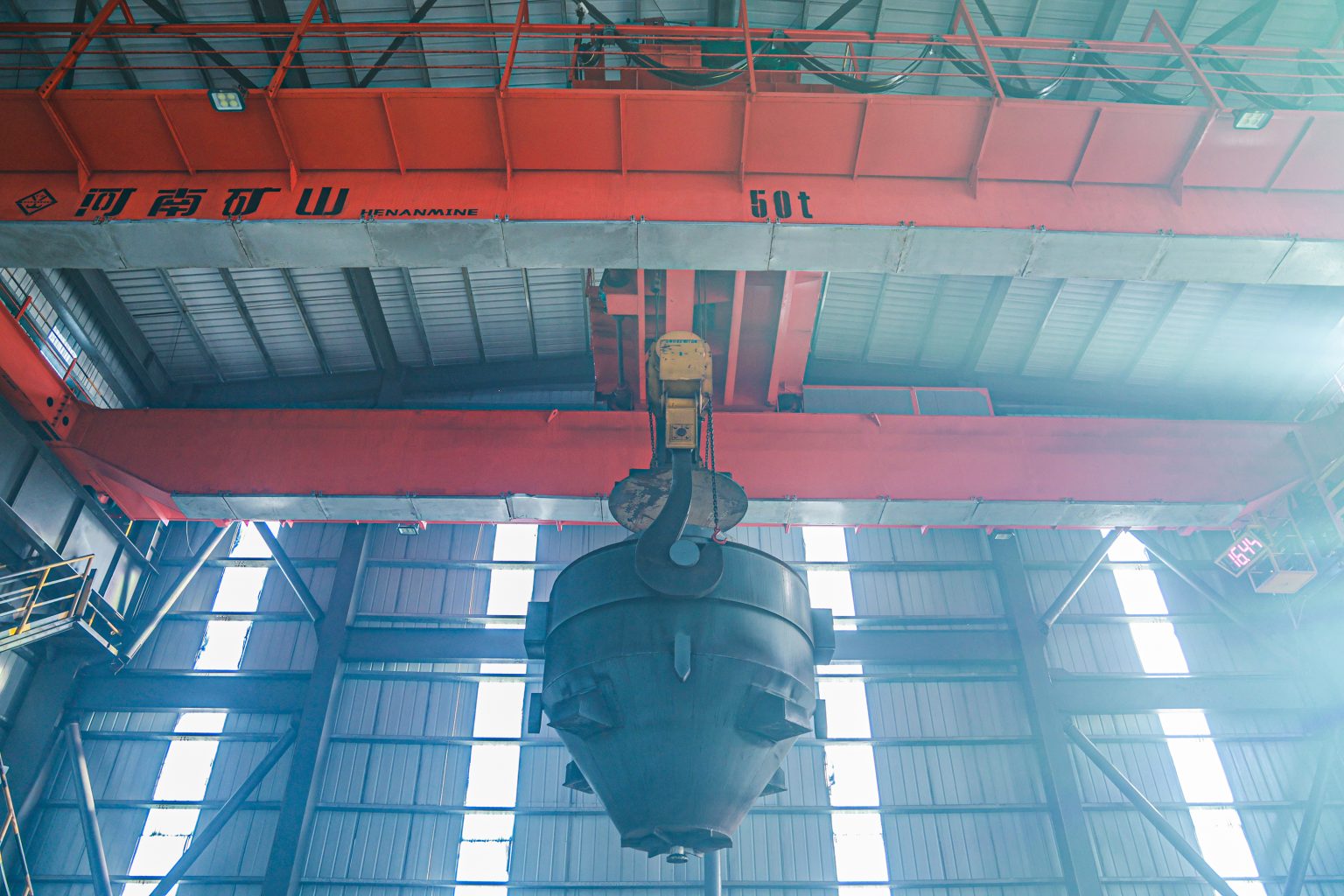
Henan Mine Crane publishes a 50–200 t, A6 specialized bridge-crane platform for hot-rolling production, with project-defined heat protection, variable-frequency control and production-system integration.
This experience is relevant to radiant-heat exposure, continuous steel-plant operation and equipment interfaces. Forging impact, turning and attachment requirements remain separate design inputs.
Reference boundary: adjacent metallurgical projects demonstrate relevant structural, mechanism, thermal-protection and control experience. They do not establish the final capacity, duty, turning device, cycle performance, compliance or price of a new forging crane.
Forging Crane Price and Budget Scope
A reliable forging crane price requires the maximum gross suspended load, turning method, span, lift, duty, speeds, thermal exposure, controls, runway scope, destination and acceptance requirements. Public listings provide only preliminary market signals because they rarely normalize the process attachment, safety functions or project boundary.
| Public Market Signal Checked in September 2026 | Published Position | Budget Meaning | Commercial Limitation |
|---|---|---|---|
| 25 t double-girder crane marketed for forging; 14 m span and 10 m lift | US$42,000 per set | A public equipment-level signal for a smaller forging application | Attachment, heat duty, runway, freight, erection, tests and local compliance are not normalized |
| General double-girder listing with maximum lifting weight above 200 t | US$5,000–500,000 per set | Shows how capacity-only marketplace ranges become too broad for project budgeting | Not a forging-specific quotation and may include placeholder endpoints |
| Dedicated heavy forging cranes publicly presented at 180–550 t | Price on request | Heavy press-shop systems are treated as engineered capital projects | Capacity does not reveal trolley layout, turner, duty, thermal design or installation scope |
| Henan Mine Crane forging system | Project quotation | Technical and commercial scope is built from the approved forging process and site data | A comparable price requires the RFQ inputs listed below |
Major budget drivers: gross suspended load; main/auxiliary or dual-trolley arrangement; tongs, turner or other below-hook device; span, lift and hook approaches; duty and process dynamics; heat shielding and cooling; braking and redundancy; cabin, cameras and controls; press/MES integration; runway and electrification; export packing, freight, erection, testing, training and local certification.
The figures above are third-party public market observations, not Henan Mine Crane offers. Marketplace values may be equipment-only figures, placeholders or scopes that exclude essential engineering and site work. Contract comparisons require a line-by-line technical and commercial reconciliation.
Forging Crane RFQ Information
A complete enquiry allows the structure, hoists, turning system, thermal protection, runway reactions, controls and commercial scope to be priced on the same basis.
Workpiece and Attachment Data
Minimum, typical and maximum mass and dimensions; temperature at pickup; center of gravity; material and surface; dies and tooling; required tongs, clamp, turner, spreader or rigging; drawings and photographs.
Process and Duty
Furnace, press, hammer, manipulator and heat-treatment sequence; lifts and turns per hour; shifts; annual hours; load spectrum; required cycle time; permitted process forces and production consequence of downtime.
Workshop and Runway
Rail-center span, runway length, rail and elevation; required lift; headroom and approaches; existing wheel-load limits; press, furnace, platform and duct drawings; installation access and site-survey data.
Controls and Commercial Scope
Cabin, radio or automatic control; positioning tolerance; press/MES protocol; voltage and frequency; environment; destination; compliance route; Incoterm; runway, electrification, installation, commissioning, testing and documentation scope.
Frequently Asked Questions
How is forging crane capacity calculated?
Capacity begins with the maximum workpiece and adds tongs, turning device, spreader, rigging, hook blocks and other suspended equipment. The design then evaluates off-center loads, main/auxiliary load sharing, dynamics and the selected duty classification.
Is a forging crane the same as a foundry crane?
No. A forging crane principally handles solid ingots, dies and forgings and may assist rotation at a press. A foundry crane handles ladles and molten metal under a different risk profile and safety architecture.
When are main and auxiliary hooks required?
They are considered when the approved process requires tailing, turning, secondary positioning or tool handling. Hook spacing, capacity split, simultaneous loading and the complete rotation sequence must be defined before selection.
Can a standard overhead crane handle hot forgings?
Only after a dedicated engineering review. Radiant heat, scale, duty, process dynamics, attachment, visibility and component temperatures can require structural, mechanical, electrical and control measures beyond a general-purpose crane.
How much does a forging crane cost?
A public 25 t forging-application listing reviewed in September 2026 showed US$42,000 per set, while dedicated 180–550 t forging cranes were generally price-on-request. Final cost depends on the full process, attachment, thermal design, duty, runway, controls and delivery scope.
Can a forging crane coordinate with a hydraulic press?
Yes, when the crane, press, manipulator and safety systems share an approved functional specification. The signal matrix defines command ownership, permissives, timing, safe states, independent stops and recovery after a fault.
Can an existing runway be reused?
Only after the rails, beams, brackets, columns, connections and foundations are checked for condition, alignment, fatigue and the new crane reactions. Heavy process trolleys and special attachments can change wheel loads materially.
What should be tested before handover?
Testing covers motions, brakes, limits, overload protection, control modes, attachment functions, representative workpieces, turning sequences, power-loss response, positioning, interfaces, safety zones and manual recovery under agreed criteria.
Related Forge-Shop and Metallurgical Crane Products
Each platform serves a different process risk and load-handling function. Final selection follows the approved material, temperature, sequence, duty and site data.
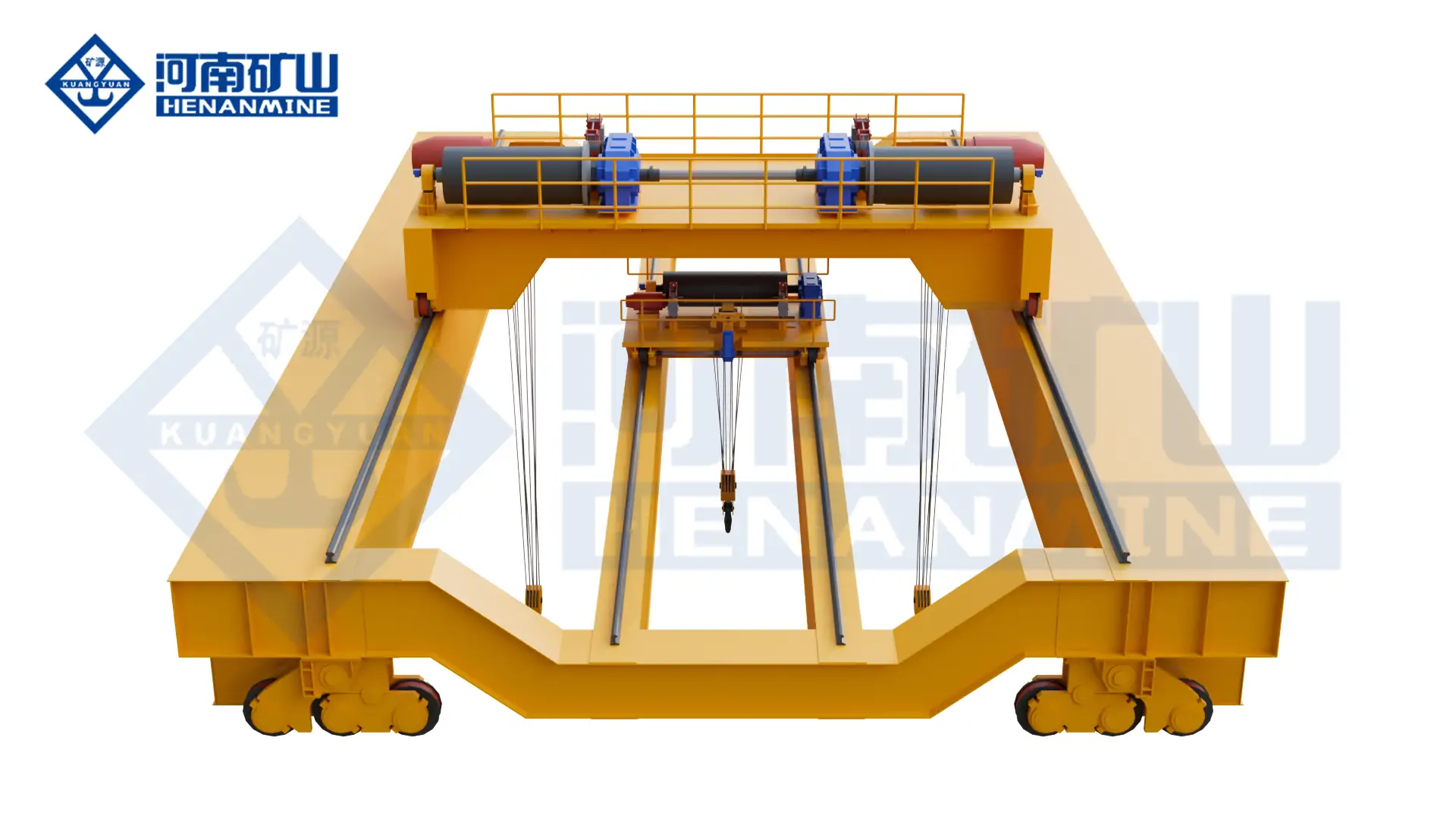
Metallurgical Bridge Crane
Process-duty platform for declared high-temperature and heavy metallurgical applications.
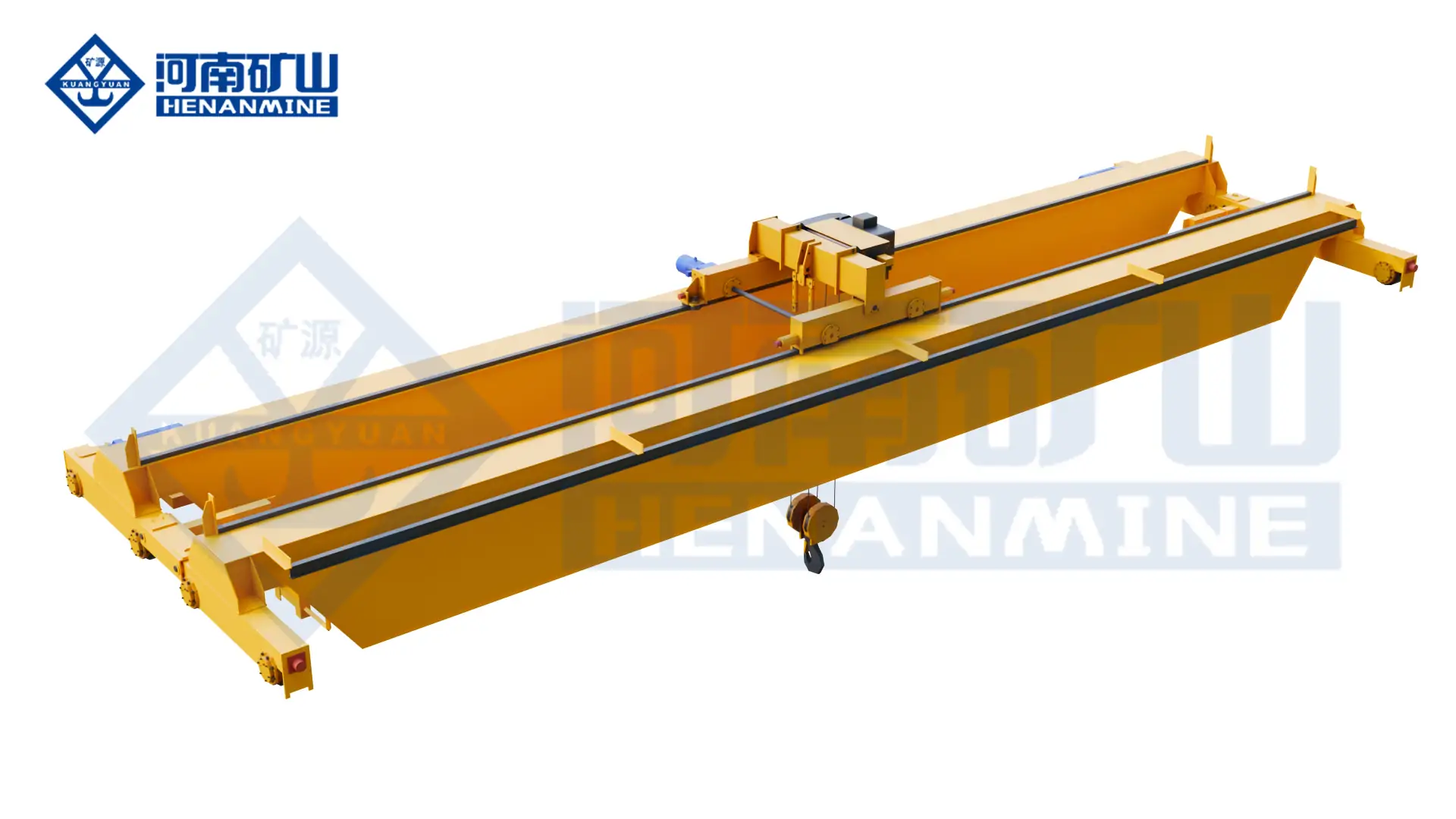
Double-Girder Bridge Crane
Configurable bridge platform for general forge-shop transfer, die handling and maintenance lifting.
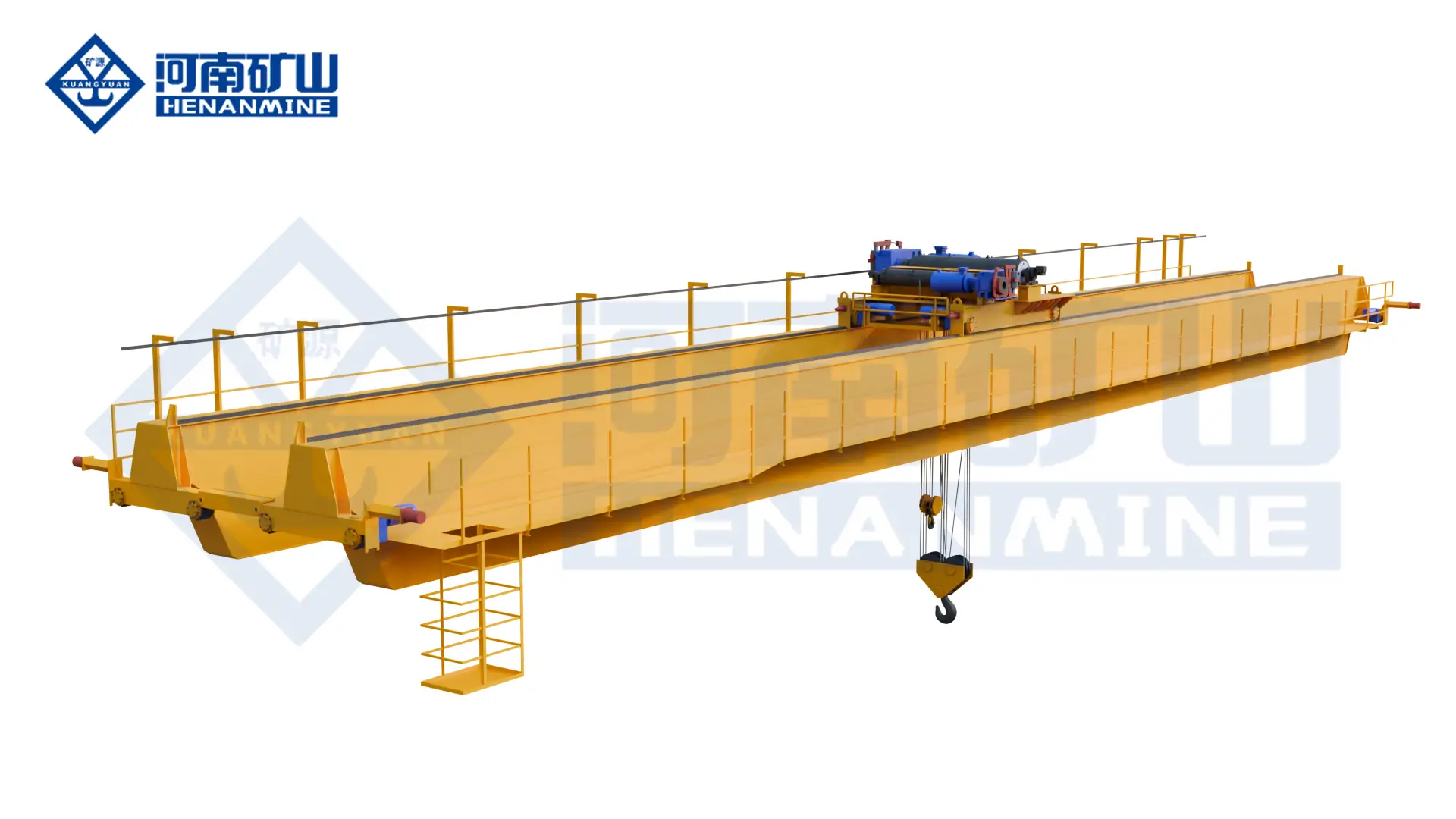
Quenching Crane
Specialized heat-treatment crane for rapid workpiece immersion, recovery and bath transfer.

Double-Girder Casting Crane
Molten-metal handling platform for foundry processes where ladle transfer is separately in scope.
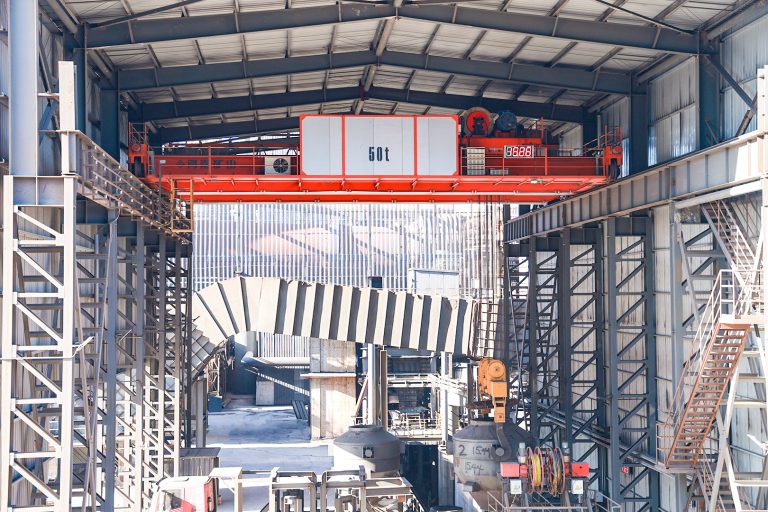
Automatic Metallurgical Crane
Integrated control reference for defined production routes, positioning and plant-system communication.
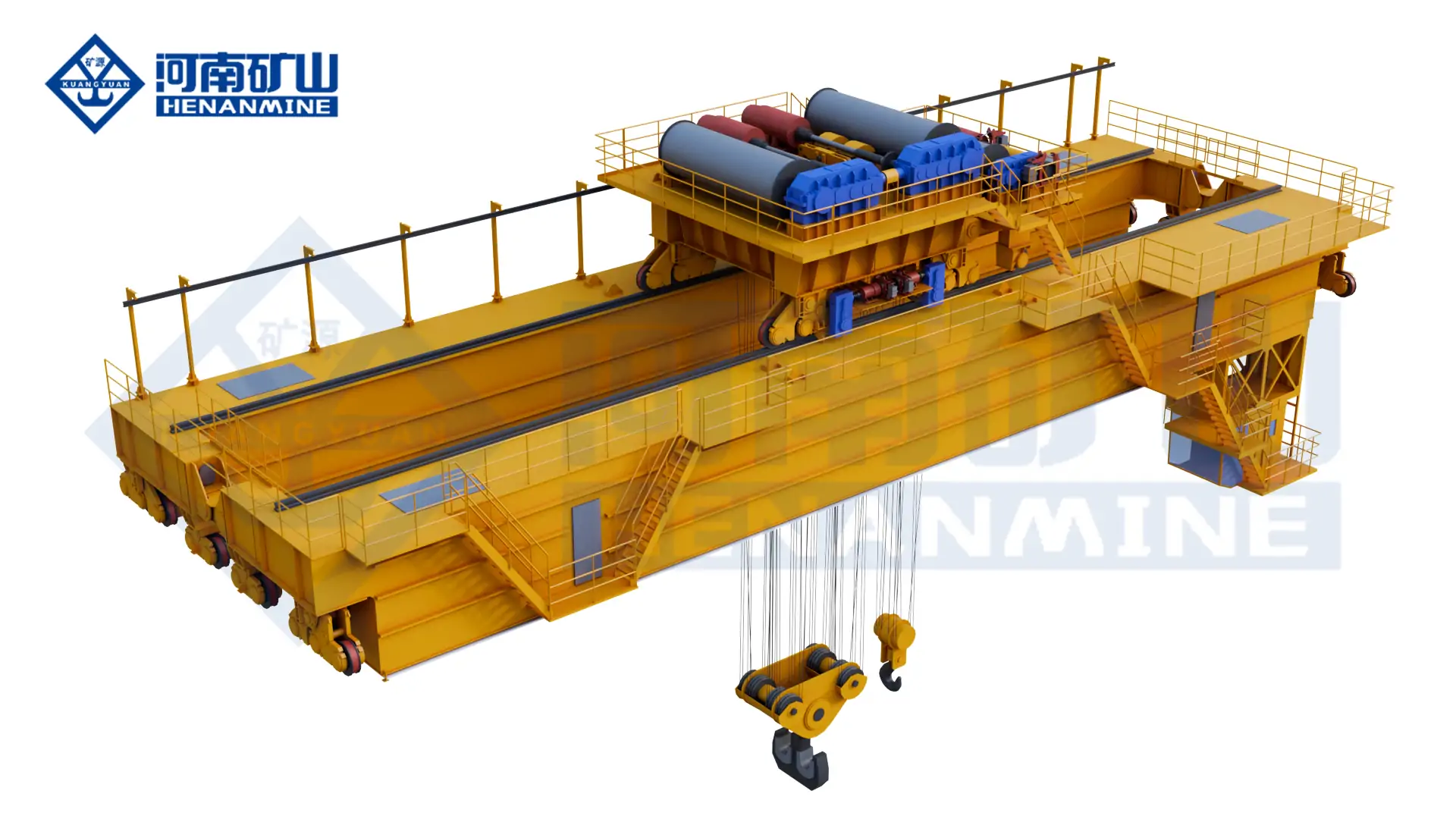
Special Metallurgical Overhead Crane
Project-specific lifting platform for demanding metallurgical process conditions and safety requirements.
Request a Forging Crane Quote
Submit the workpiece and attachment matrix, temperature, forging sequence, lifts and turns per hour, press, furnace and manipulator drawings, span, lift, runway data, required control level, power supply, destination and supply boundary. Henan Mine Crane will prepare a configuration-based technical and commercial proposal.