
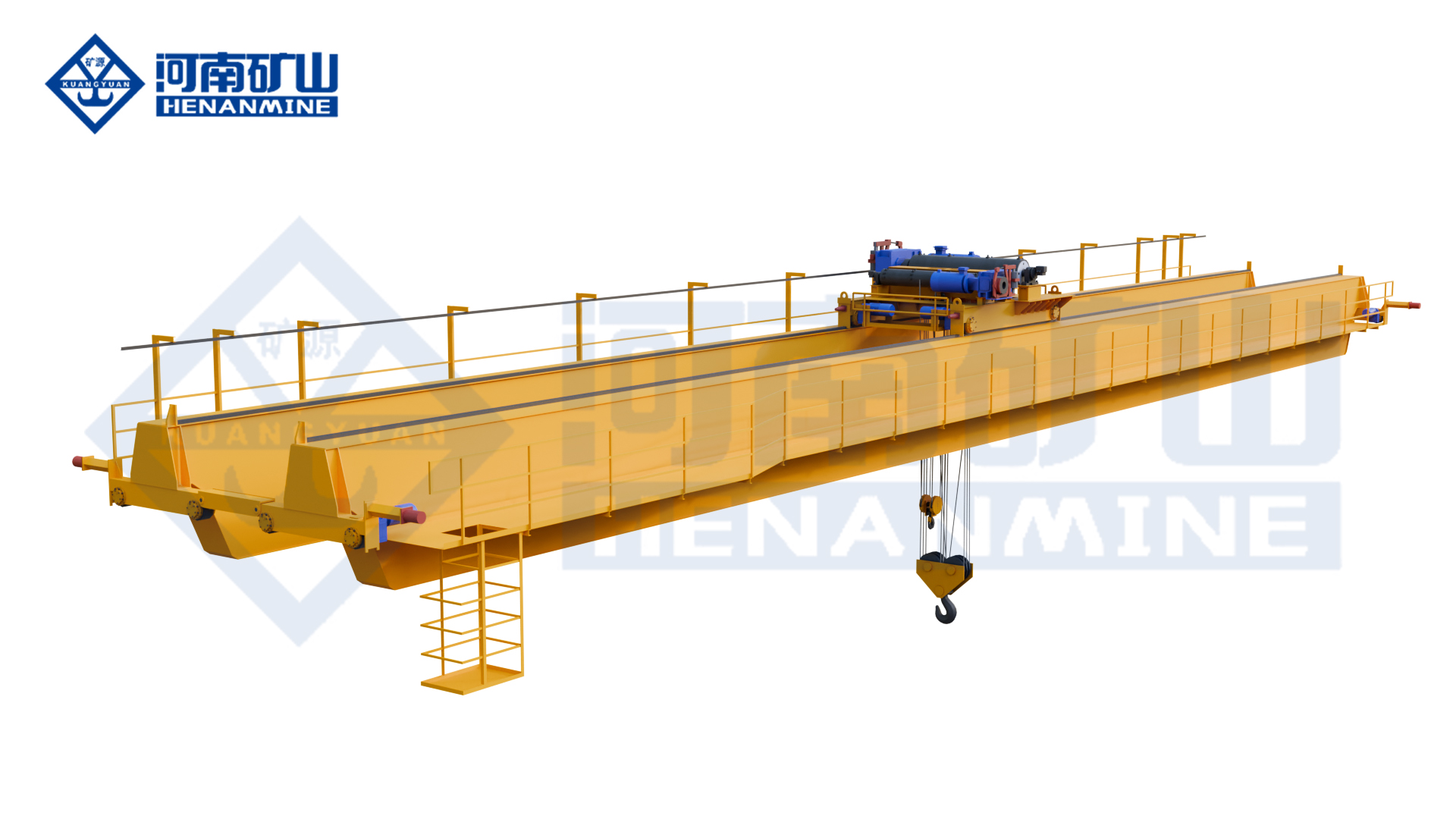
Overhead Cranes / Henan Mine Crane
Quenching Crane
Move heated workpieces through a defined quenching sequence with a process crane. Immersion, withdrawal, lifting geometry and thermal exposure determine the mechanism and controls.
Define the total suspended load, duty and site conditions for your project.
Technical specifications
Check the load.
Plan the configuration.
Parameters and equipment options are matched to the application and confirmed in the technical proposal.
Discuss your configuration| Capacity | 5t – 80t |
|---|---|
| Span | 7.5m – 35m |
| Lifting height | 4m – 20m |
| Working class | A7 – A8 |
| Hoisting speed | 8m/min – 20m/min |
| Trolley travel | 8m/min – 25m/min |
| Crane travel | 10m/min – 30m/min |
| Power supply | 380V/50Hz; 220V-660V/50Hz/60Hz |
| Controls | Manual control / PLC automatic control |
Final parameters, dimensions, wheel loads and supply scope follow the approved project specification.
Application & operation
Matched to the handling task.
Heat-treatment lines
Coordinate movement between heating, transfer and quenching positions.
Large heated workpieces
Match lifting fixtures and clearances to the component and tank geometry.
Selection considerations
Start with your operating conditions.
Load & lifting arrangement
Specify heated workpiece, lifting fixture and load geometry. Include lifting-appliance weight and the required lifting positions.
Site & available space
Provide tank depth, handling positions and available clearances. Coordinate the installation interfaces with the available site drawings.
Duty & control sequence
Define immersion or withdrawal sequence, required speeds and thermal exposure. Identify the required movements and control interfaces in the enquiry.
Configuration comparison
Compare related lifting arrangements.
| Crane arrangement | Handling configuration |
|---|---|
| Quenching Crane | Move heated workpieces through a defined quenching sequence with a process crane. Immersion, withdrawal, lifting geometry and thermal exposure determine the mechanism and controls. |
| Metallurgical Bridge Crane | Lift hot process loads with a YZD metallurgical bridge arrangement selected for the complete load and thermal conditions. Specify the lifting appliance, duty cycle and operating-protection requirements. |
| Double Girder Casting Crane | Lift and transfer molten-metal ladles with a YZ casting crane configured for the full suspended load and casting process. Review ladle interfaces, thermal exposure and the operating sequence together. |
| YX Metallurgical Bridge Crane | Lift and turn material boxes with a YX metallurgical crane arrangement. The box interface, centre of gravity, turnover sequence and thermal conditions determine the lifting system. |
Operating protection & lifecycle support
Plan beyond the equipment.
Operating protection
Confirm overload protection, travel limits, brakes, emergency controls and the required process interlocks for the declared lifting task.
Installation & commissioning
Agree runway reactions, structural interfaces, electrical connections, assembly, inspection and commissioning responsibilities before delivery.
Inspection & spares
Plan inspection and maintenance of hoisting mechanisms, lifting fixtures and heat-exposed components. Agree service access, documentation and the required spare-parts scope.
Questions before the order
Clarify the details
that shape the crane.
What information is needed for a quenching crane quotation?+
Provide heated workpiece, lifting fixture and load geometry; tank depth, handling positions and available clearances; and immersion or withdrawal sequence, required speeds and thermal exposure. Include drawings and the project destination when available.
Which process data affects the lifting mechanism?+
Provide the complete movement sequence, immersion and withdrawal requirements, workpiece condition and fixture details. The required motion characteristics and protection are specified for that process.
What installation and support scope should be agreed?+
Agree runway reactions, structural interfaces, electrical connections, assembly, inspection and commissioning responsibilities before delivery. Specify the documentation, training and spare-parts support needed for the project.
Related equipment
Explore the alternatives.
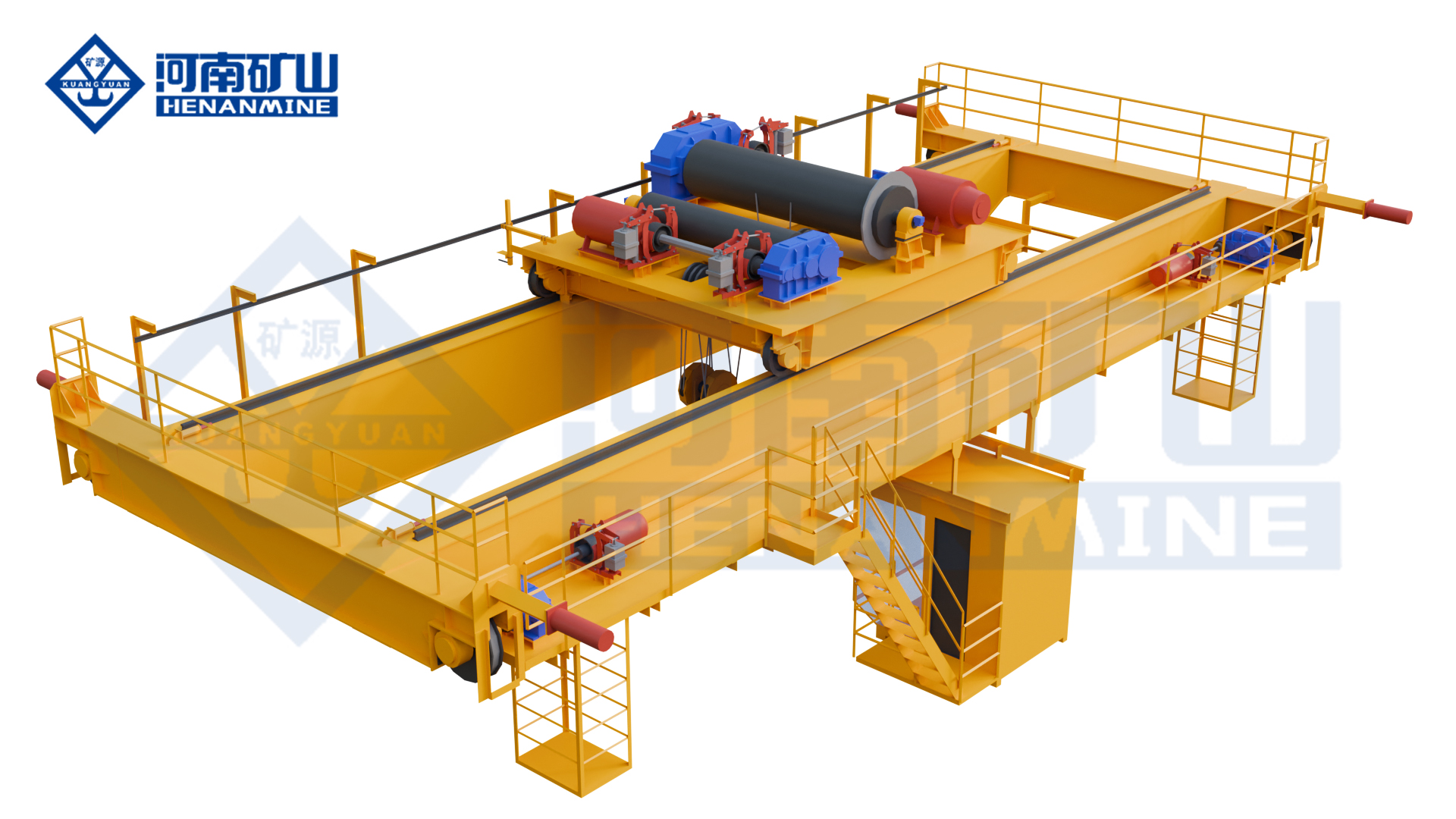
Overhead Cranes
Metallurgical Bridge Crane
Lift hot process loads with a YZD metallurgical bridge arrangement selected for the complete load and thermal conditions. Specify the lifting appliance, duty cycle and operating-protection requirements.
View configuration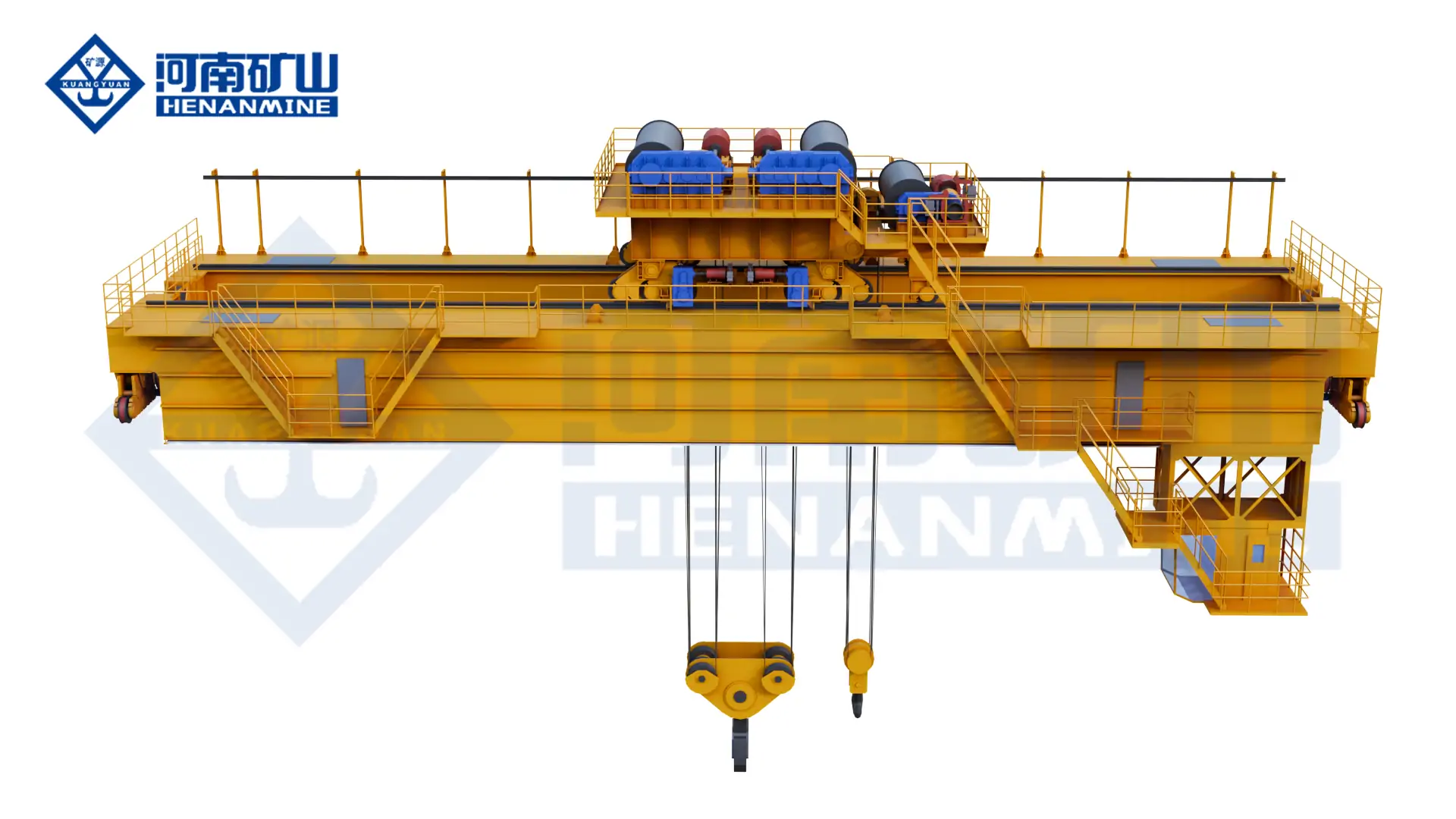
Overhead Cranes
Double Girder Casting Crane
Lift and transfer molten-metal ladles with a YZ casting crane configured for the full suspended load and casting process. Review ladle interfaces, thermal exposure and the operating sequence together.
View configuration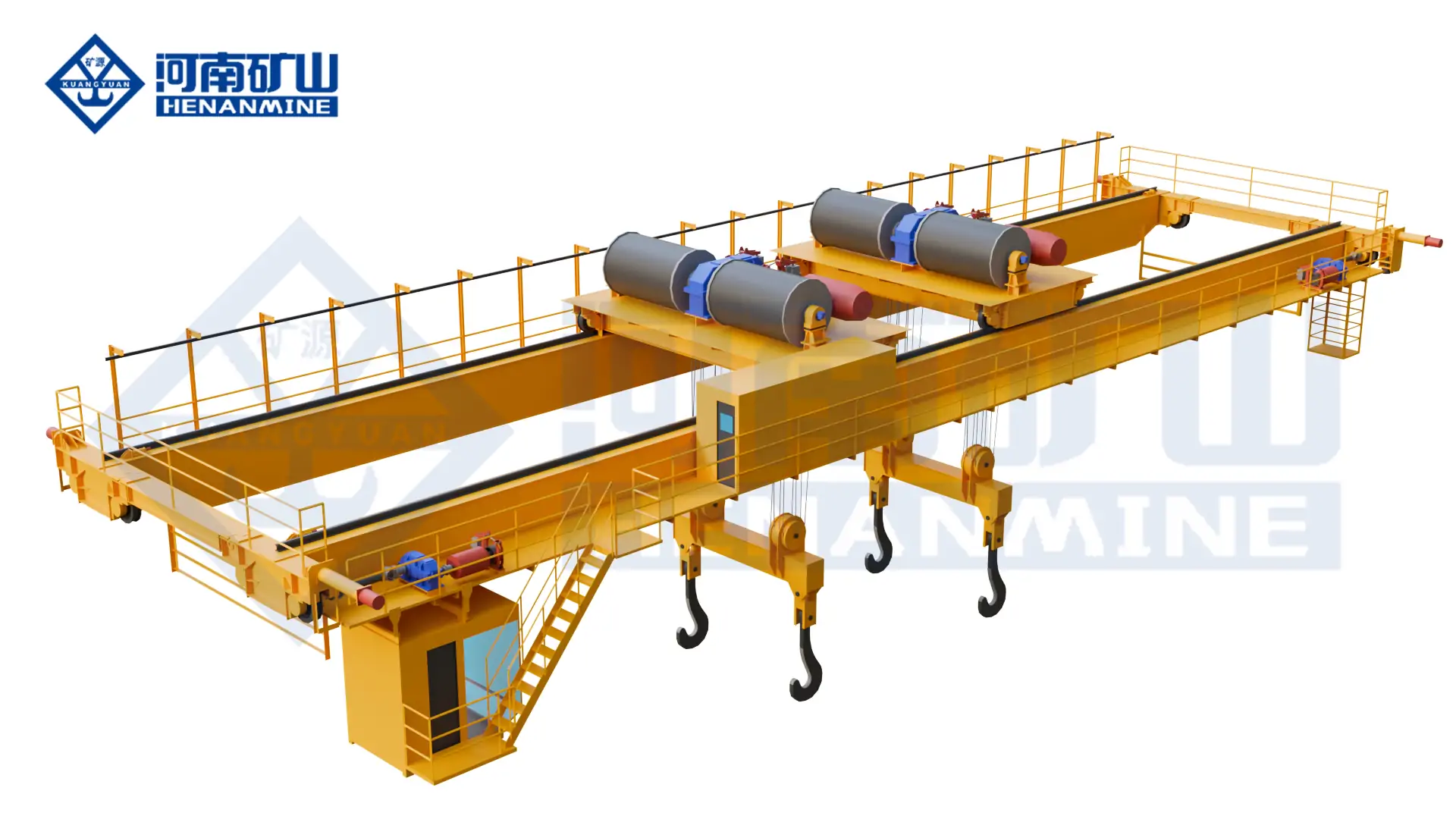
Overhead Cranes
YX Metallurgical Bridge Crane
Lift and turn material boxes with a YX metallurgical crane arrangement. The box interface, centre of gravity, turnover sequence and thermal conditions determine the lifting system.
View configurationLet’s discuss your project
The right crane starts
with your lifting task.
Share heated workpiece, lifting fixture and load geometry, together with your site layout and operating cycle.